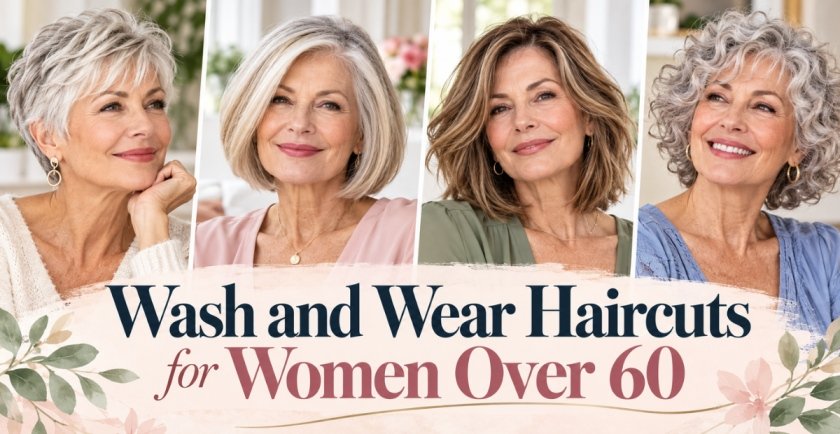
A flattering hairstyle shouldn’t demand a daily appointment with your blow-dryer. The best wash and wear haircuts for women over 60 aren’t defined by age or a single fashionable length. They depend on your natural texture, density, growth patterns, and preferred styling routine. Fine, wavy, curly, or coily hair can all benefit from thoughtful cutting. Below are 45 distinctive ideas, with practical hairstylist guidance on who each cut suits and how to keep it looking its best.
What Makes a Haircut Truly Wash and Wear?
A wash-and-wear cut falls into a pleasing shape as your hair dries naturally, without needing a round brush or hot tools to create its basic silhouette. Perimeter, layering, and cowlicks matter more than a haircut’s name. Keep in mind that low daily styling isn’t always the same as low salon maintenance: a closely tapered pixie may dry beautifully but need frequent trims. Curly and coily hair can also be wash-and-go, although conditioning, detangling, and drying time vary considerably by texture.
Short Wash and Wear Haircuts for Women Over 60
1. Classic Tapered Pixie Cut
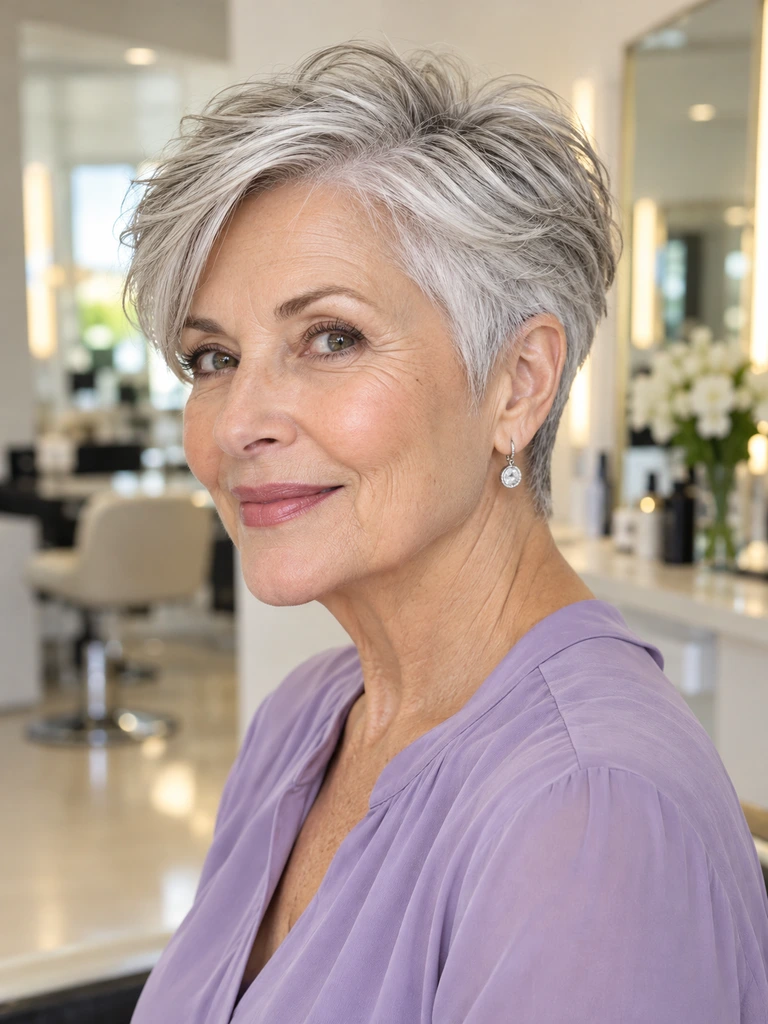
A classic tapered pixie keeps the back and sides close to the head while leaving enough length on top for a soft, feminine outline. It’s comfortable for straight or lightly wavy hair that behaves predictably when air-dried. Ask your stylist to follow your natural hairline rather than cutting against stubborn growth patterns. Smooth the top with your fingers after washing; plan on regular trims to preserve the tidy neckline.
2. Soft Feathered Pixie Cut
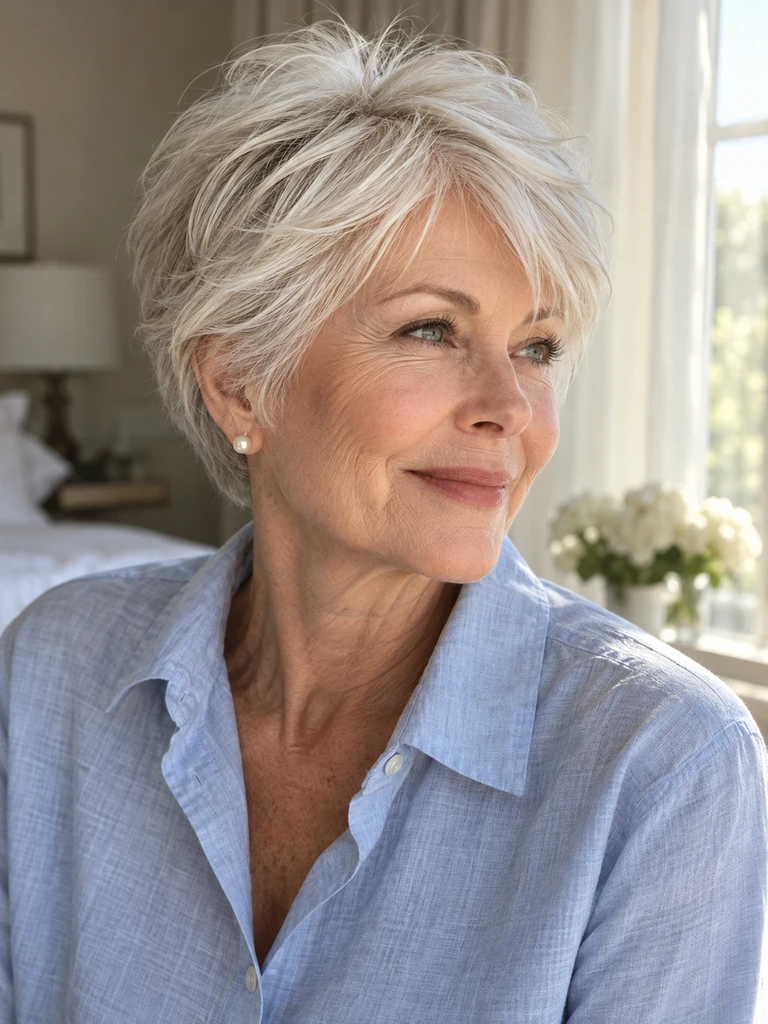
The feathered pixie feels lighter than a solid crop because its delicate layers sweep away from the face instead of sitting in one block. It flatters fine-to-medium hair with natural movement, but excessive feathering can make sparse ends appear thinner. Request soft, connected layers around the temples and crown. A small amount of lightweight leave-in conditioner helps the strands separate naturally without requiring a brush-and-blow-dry routine.
3. Long Side-Swept Pixie
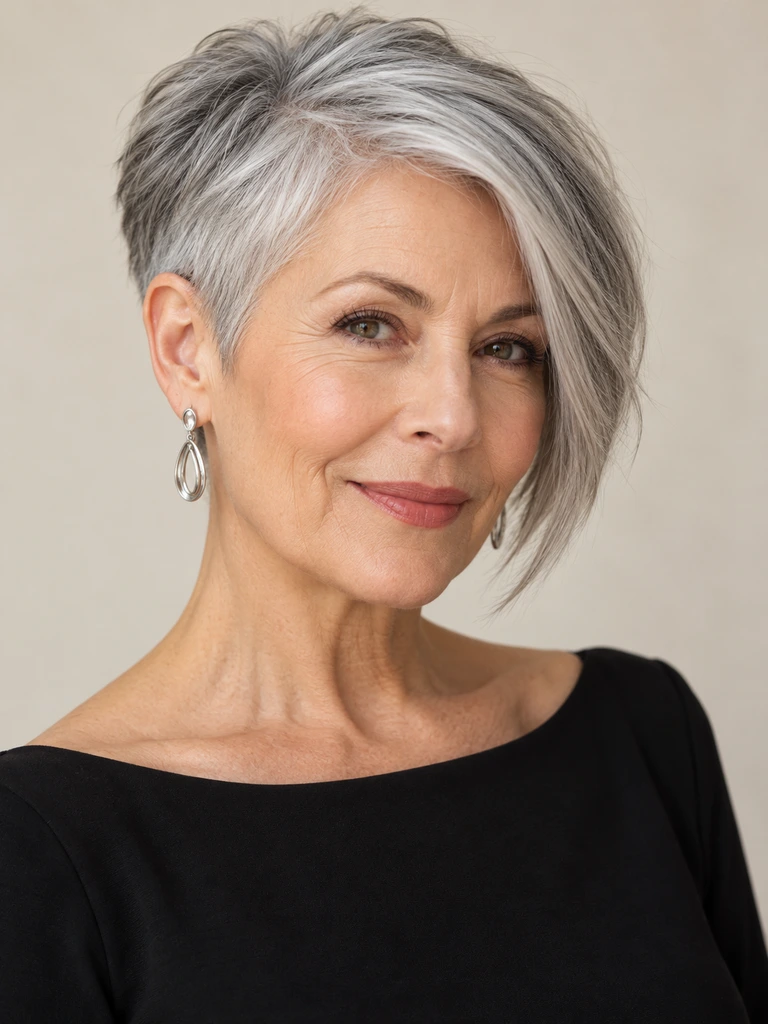
If you want short hair without exposing your entire forehead, a side-swept pixie offers a longer front that can rest across the brow or beside the cheekbone. The shorter back makes washing quick, while the fringe supplies softness and flexibility. Have your stylist check where your hair naturally parts before choosing its direction. Comb the fringe into place while damp; a stubborn cowlick may need extra attention.
4. Choppy Pixie with a Textured Crown
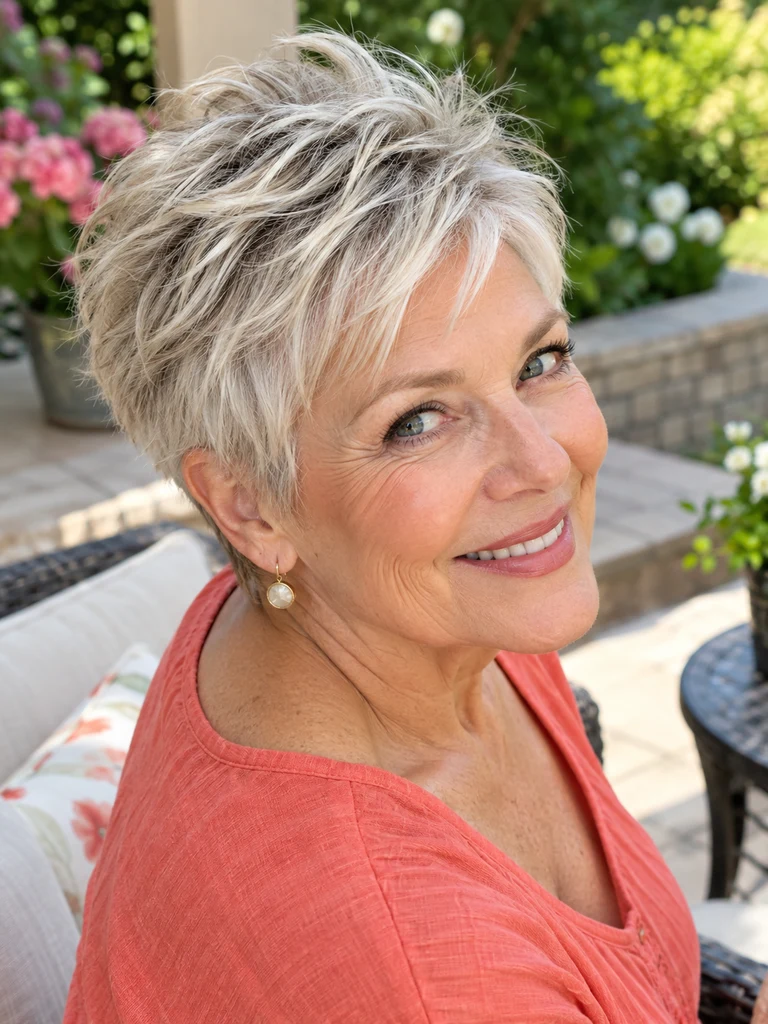
A choppy pixie features short, irregularly textured pieces concentrated at the crown, creating an intentionally tousled finish rather than a perfectly smooth helmet shape. It’s a lively choice for straight or wavy hair with enough density to support separation. Ask for point-cutting that removes weight without hollowing out fine areas. Work a pea-sized dab of light styling cream through damp hair, then allow the crown to settle naturally.
5. Asymmetrical Pixie Cut
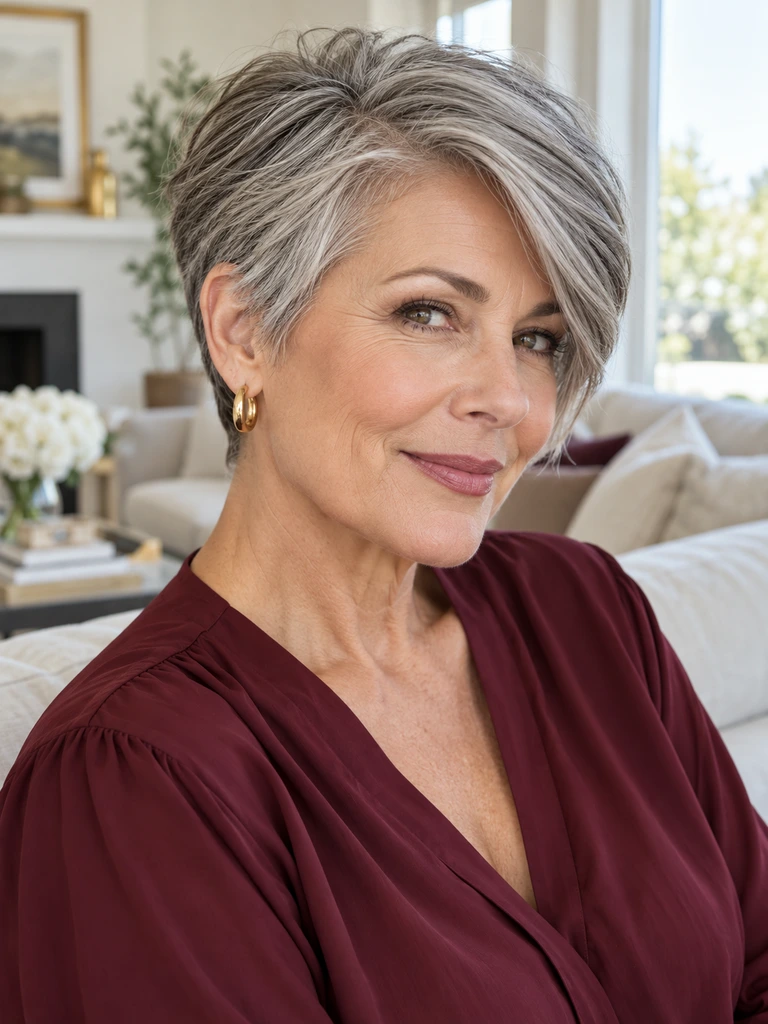
An asymmetrical pixie gives one side a longer sweep while the opposite side stays shorter and closer to the head. That contrast creates interest without requiring curls or elaborate styling, especially when your hair naturally falls in the chosen direction. Ask for a subtle difference in length if you prefer understated results. Finger-comb the long section into place after washing, and maintain its intended outline with timely trims.
6. Soft Curly Pixie Cut
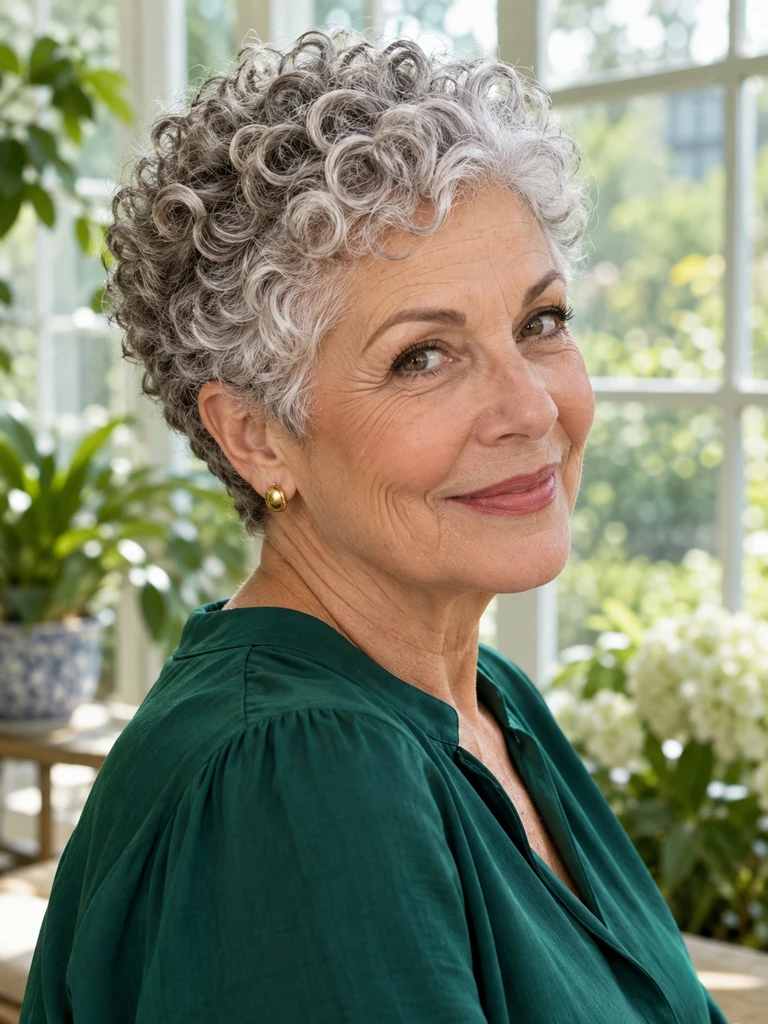
The curly pixie celebrates natural ringlets in a compact, springy silhouette, with enough length on top for the curls to form rather than frizz into short tufts. It works best when the stylist assesses curl shrinkage before cutting the fringe and sides. Distribute conditioner evenly, then scrunch in a small amount of curl cream or gel. Let curls dry undisturbed so the haircut’s shape does most of the work.
7. Pixie Cut with Wispy Bangs
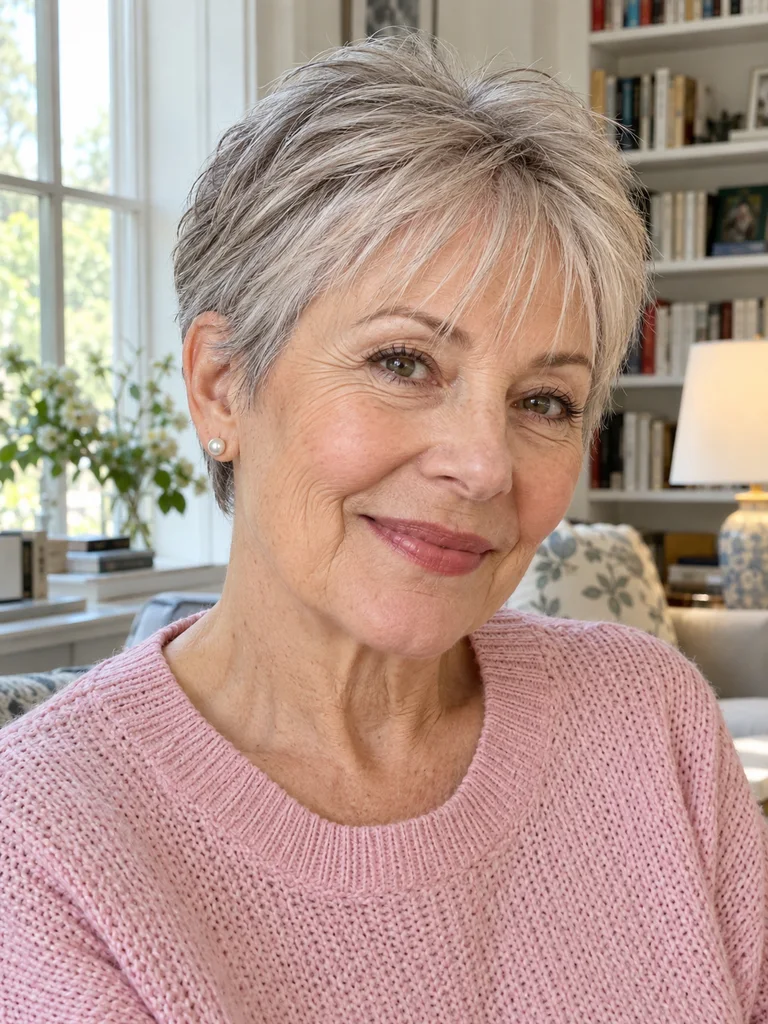
Wispy bangs soften a short pixie by placing a light veil of hair across the forehead instead of a heavy, straight fringe. This can be especially attractive when you want face framing but dislike hair falling into your eyes. Request bangs that follow your natural part and are long enough to lie comfortably. Blot rather than rub after washing, then arrange the fringe with your fingertips before it dries.
8. Short Shaggy Pixie (Shixie)
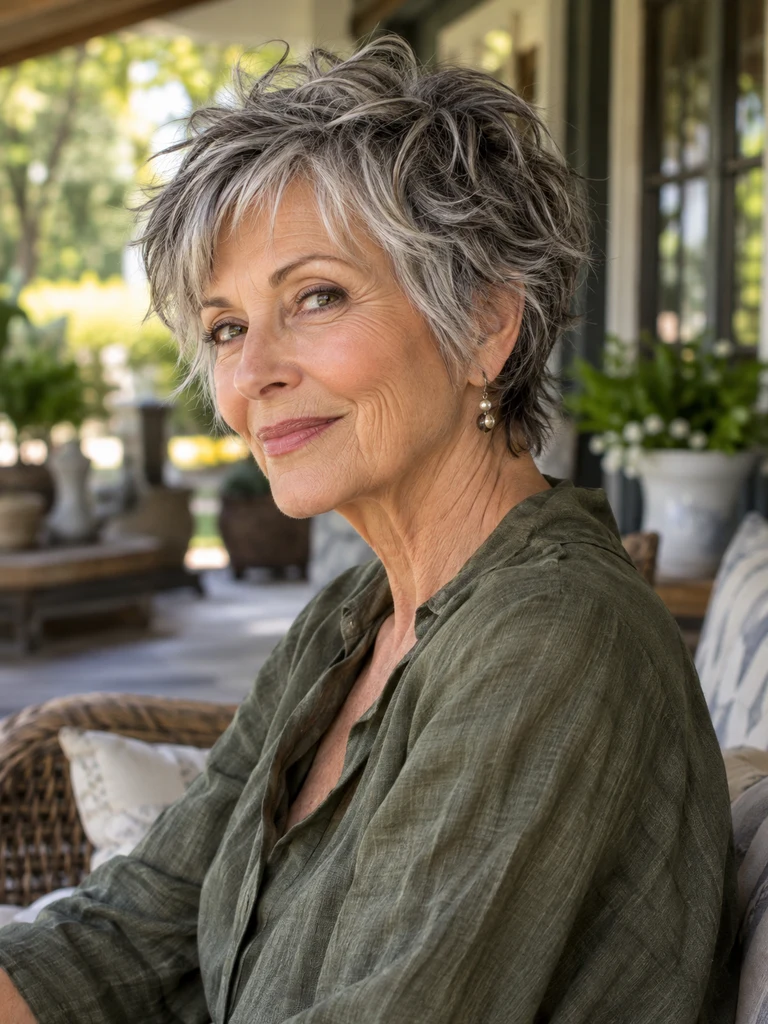
A shixie combines the cropped convenience of a pixie with the looser layers and longer edges of a shag. Its softly uneven outline suits natural waves and hair that already has movement around the ears and nape. Ask your stylist to retain some perimeter weight so the cut doesn’t look stringy. After washing, squeeze out excess water and scrunch gently; natural bends provide the relaxed finish.
9. The Soft Bixie Haircut
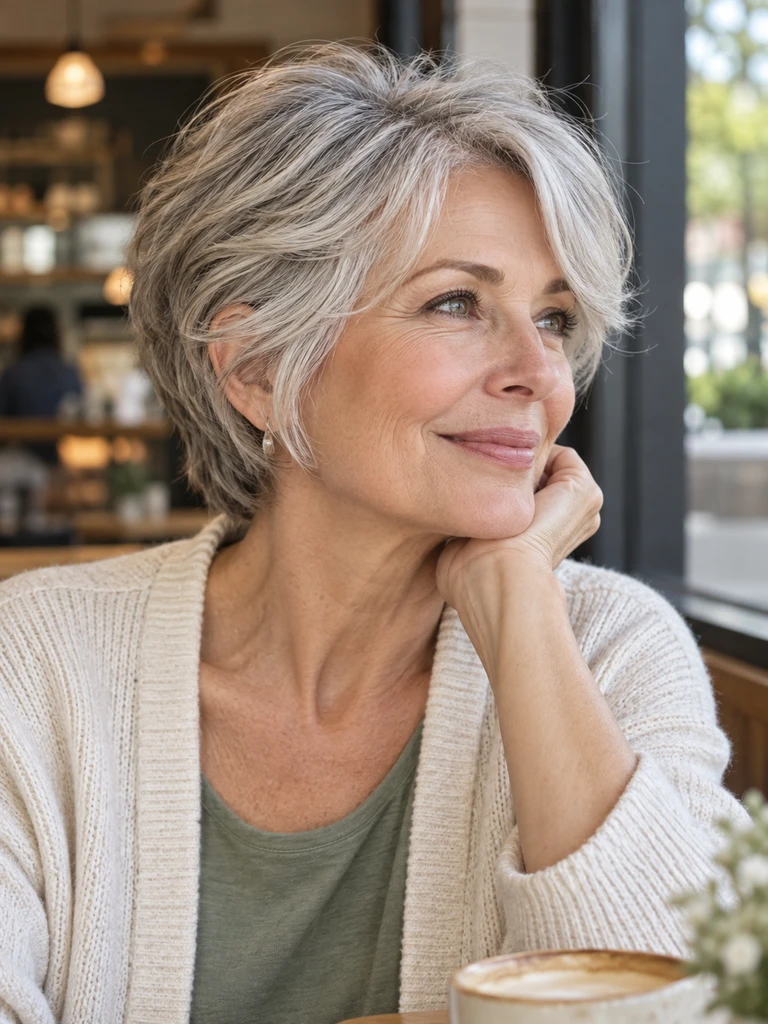
The bixie sits between a pixie and a bob, offering short-hair ease with a little more coverage at the sides and neckline. It’s a useful transition if you’re growing out a pixie or aren’t ready for a chin-length bob. Choose subtle internal layers rather than a dramatic stacked back for simpler drying. Tuck the sides behind your ears when damp, then let the longer sections fall naturally.
10. Rounded Short Scissor Crop
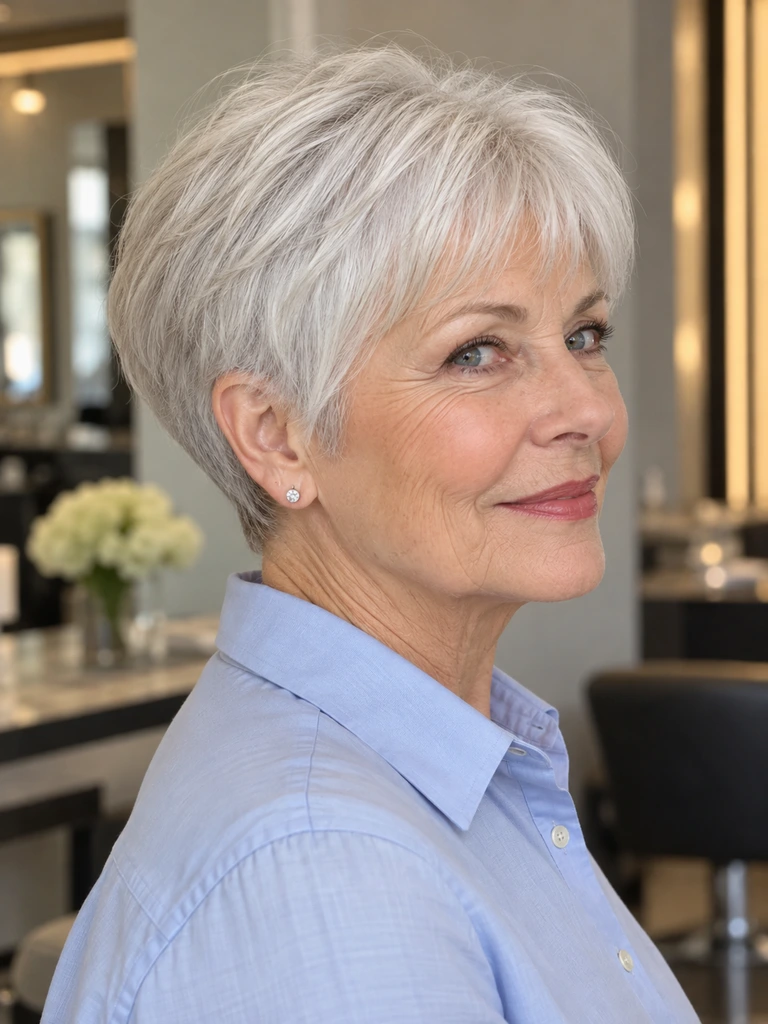
A rounded scissor crop follows the contour of the head with softly blended sides and a gently full top, avoiding the severe edges of a clipper-heavy cut. It looks especially neat on straight hair and on soft waves that don’t puff outward. Ask for scissor-over-comb shaping with enough length around the crown to lie flat. A light conditioner and finger-combing are often sufficient between regular shape-maintaining trims.
11. Modern Short Wedge Haircut
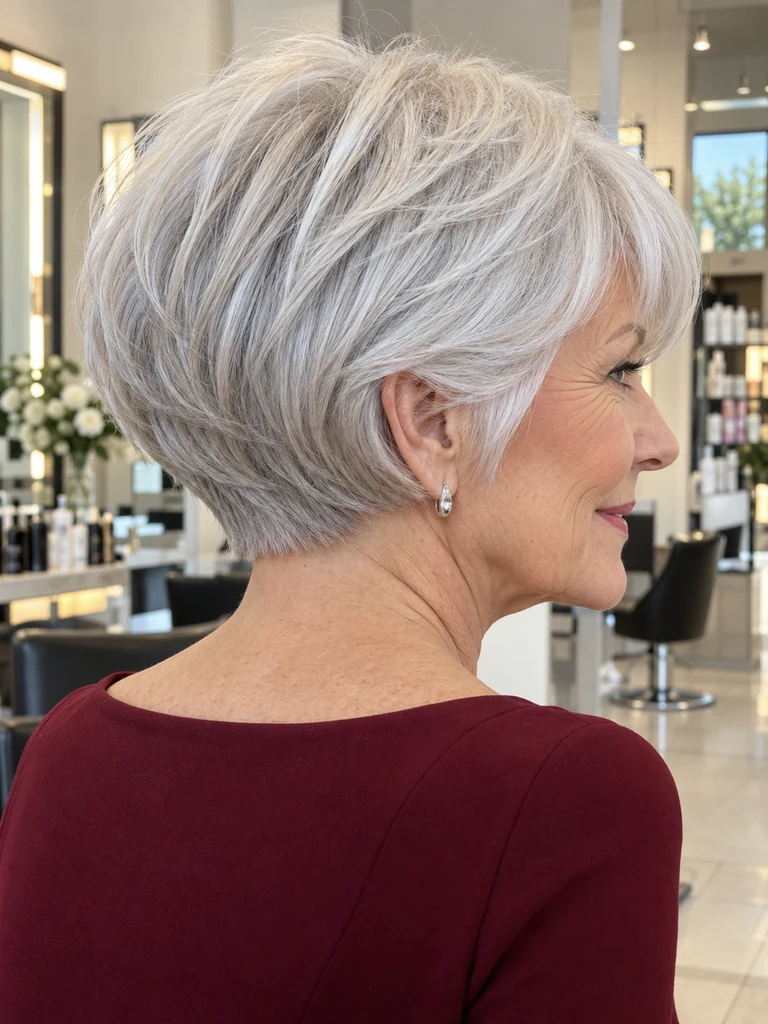
The modern wedge has a tapered nape and graduated fullness above it, creating a rounded profile with more structure than a basic pixie. It can make medium-density straight hair look fuller after air-drying, provided the graduation follows its natural fall. Request a softer, less heavily stacked version for easier upkeep. Keep the nape trimmed regularly; even a great wedge loses definition when the back grows out.
12. Close-Cropped Buzz Cut
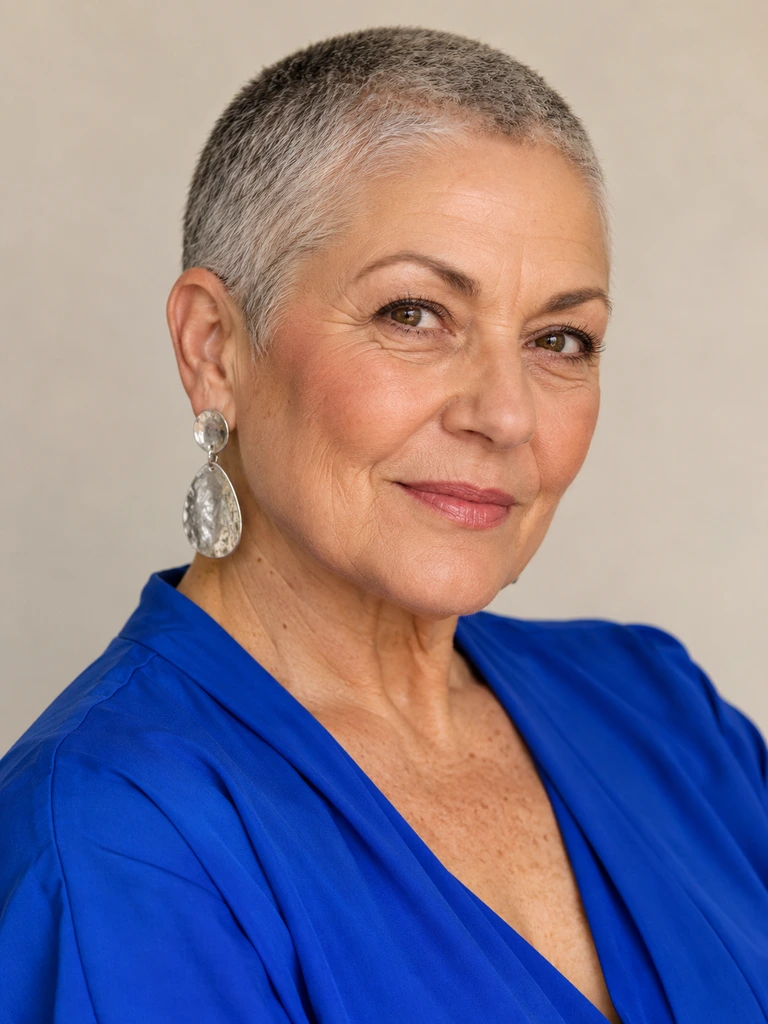
A close-cropped buzz cut is the boldest option here, with hair kept evenly short enough that daily styling is virtually unnecessary. It works with many textures and can highlight natural silver color, earrings, and facial features. Ask your stylist to discuss guard lengths before cutting if your scalp is sensitive or uneven. Moisturize the scalp as needed, protect it from strong sun, and expect frequent length touch-ups.
Easy-to-Maintain Bob Haircuts for Women Over 60
13. Classic Chin-Length Bob

A chin-length bob forms a clean outline around the jaw, giving straight or softly wavy hair an instantly recognizable shape. A minimally layered version is simple when your hair dries relatively smooth without assistance. Ask your stylist to account for any outward flip at the neckline before settling on the exact length. Gently comb through while damp and leave it alone as it dries; one tuck behind the ear adds variety.
14. French Bob with Airy Fringe

The French bob sits between the cheekbone and jaw, paired here with a light, airy fringe instead of heavy blunt bangs. Its undone look works nicely on fine-to-medium hair with a natural bend. Ask for a length that doesn’t push your ends awkwardly against the cheek. Shape the fringe with fingers while damp and encourage soft waves by scrunching, rather than chasing a polished salon finish.
15. Stacked Bob with a Graduated Back
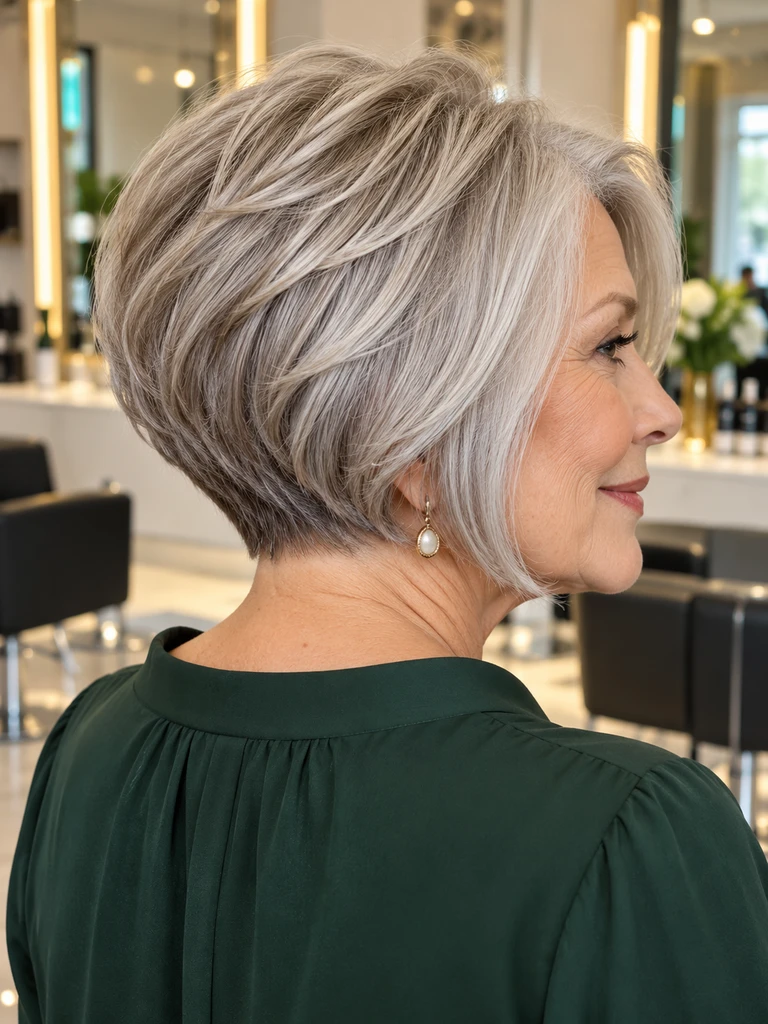
A stacked bob builds volume through graduated layers at the back while maintaining a longer, smoother outline toward the face. It can give straighter hair a fuller-looking profile, but heavy stacking may require careful blow-drying to sit correctly. For a genuine wash-and-wear result, request moderate graduation tailored to your growth pattern. Smooth the front pieces with your hands after washing and schedule regular shaping appointments.
16. A-Line Bob Haircut
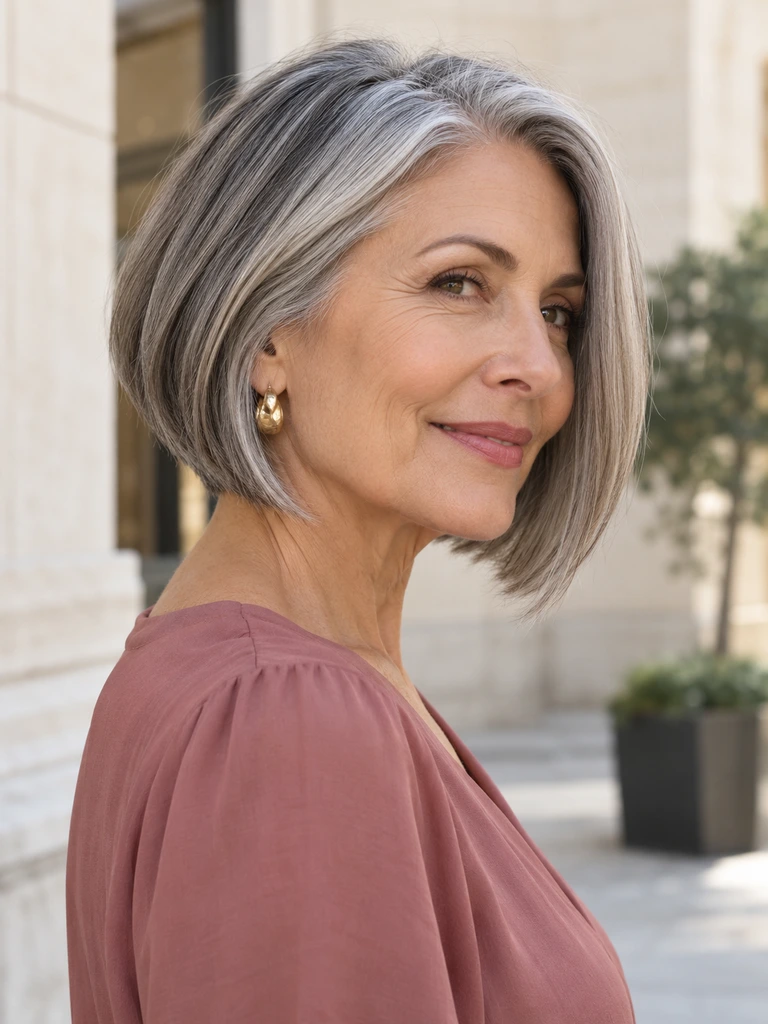
An A-line bob slopes gently from a shorter nape toward longer pieces beside the face, providing an elegant angle without elaborate styling. A subtle difference between front and back is easier to air-dry than an extreme, sharply sculpted version. It suits naturally straight hair well. Ask for a perimeter that stays substantial rather than excessively thinned, and use a wide-tooth comb to establish your part when damp.
17. Soft Layered Jaw-Length Bob
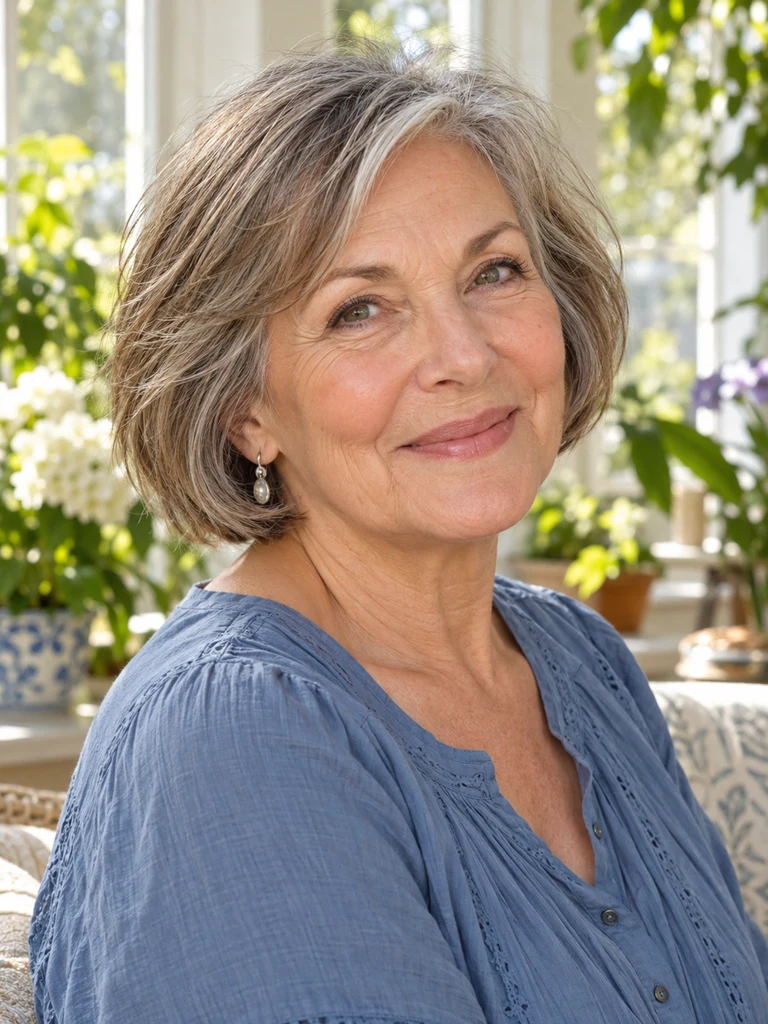
This jaw-length bob uses restrained layers to stop the shape from feeling heavy while retaining enough density at the ends. It’s especially practical for medium-to-thick hair that forms a gentle bend as it dries. Your stylist should place layers where bulk gathers, not automatically throughout the whole haircut. Apply a little leave-in conditioner to the mid-lengths, then finger-arrange the front pieces for an easy, soft outline.
18. Blunt Bob for Fine, Straight Hair

A blunt bob keeps the ends together in one strong line, helping fine, straight hair appear more substantial at the perimeter. Unlike heavily layered styles, it doesn’t sacrifice precious density to create movement that may never appear naturally. Ask for a clean, carefully balanced cut around jaw length, adjusted to your neckline. Detangle gently and air-dry with your usual part; avoid heavy oils that collapse the shape.
19. Naturally Wavy Textured Bob
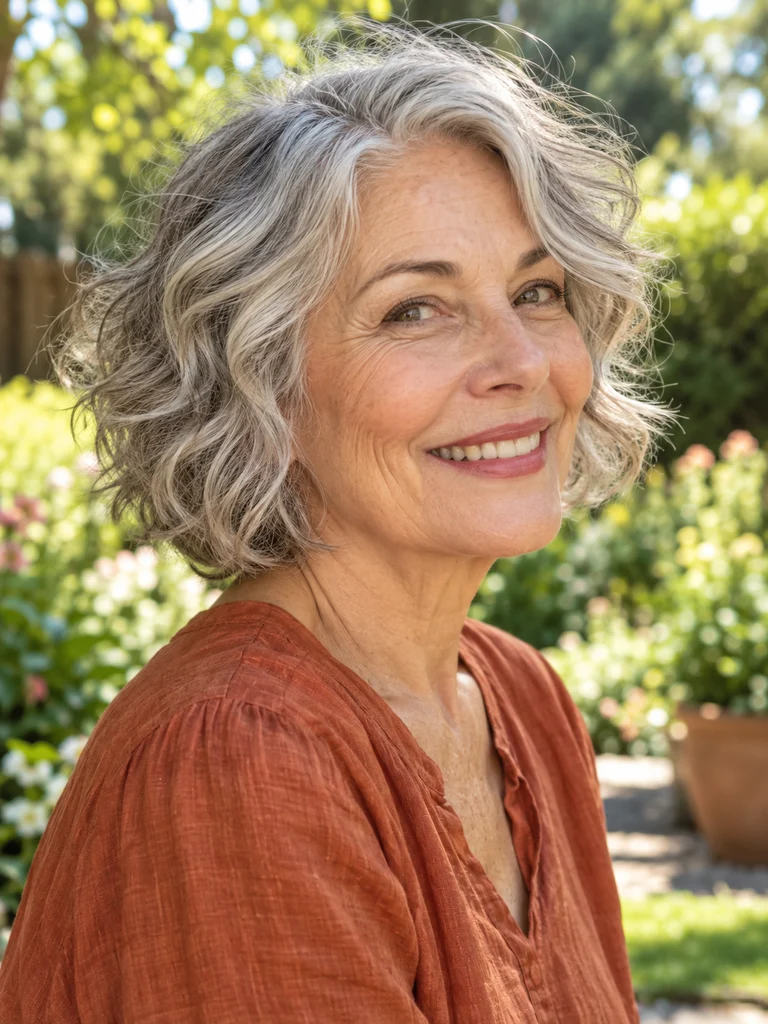
This textured bob is built for women whose hair makes its own loose S-shaped waves. The stylist removes weight selectively so the wave pattern can emerge without forming a bulky triangle. Keep the length long enough for your waves to bend comfortably, especially near the ears. After washing, press out moisture with a soft towel, scrunch in lightweight mousse, and resist repeated brushing once the waves start forming.
20. Curly Bob with Long Layers
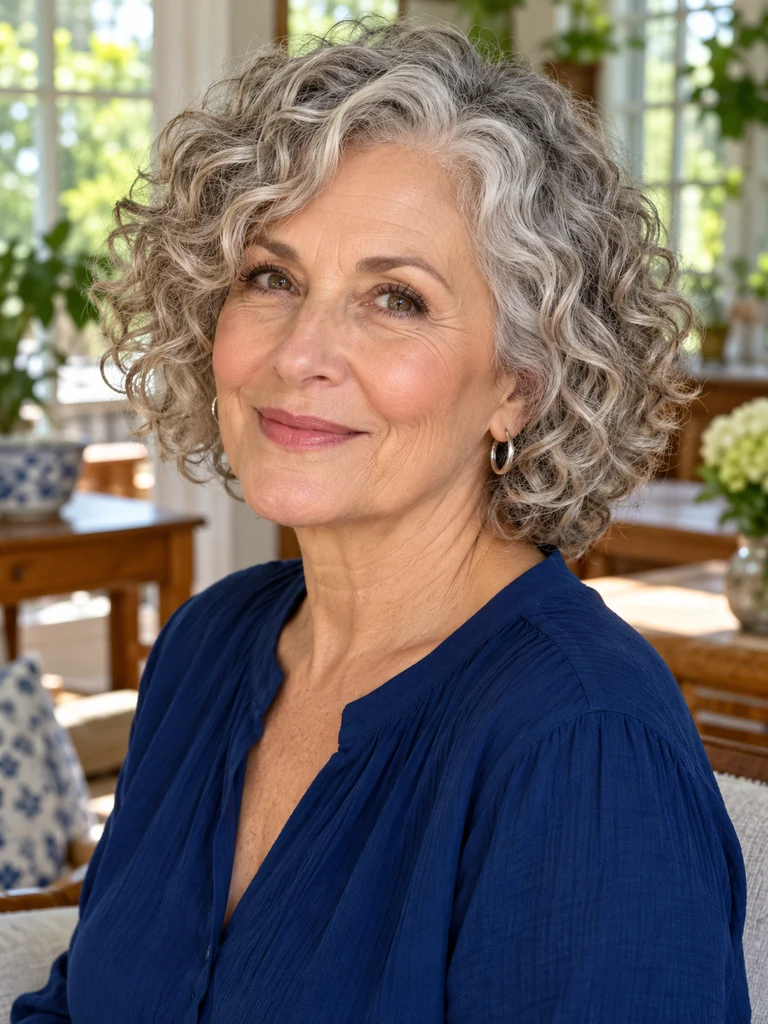
A curly bob with long layers gives ringlets room to spring without letting all the fullness collect at the bottom. It’s flattering when you want a recognizable bob outline but prefer to wear curls as they grow. Ask for curl-by-curl assessment and allowance for shrinkage, especially around the face. Condition thoroughly, apply your usual curl product, and avoid handling the hair until it’s mostly dry.
21. Shaggy Bob with Piecey Ends
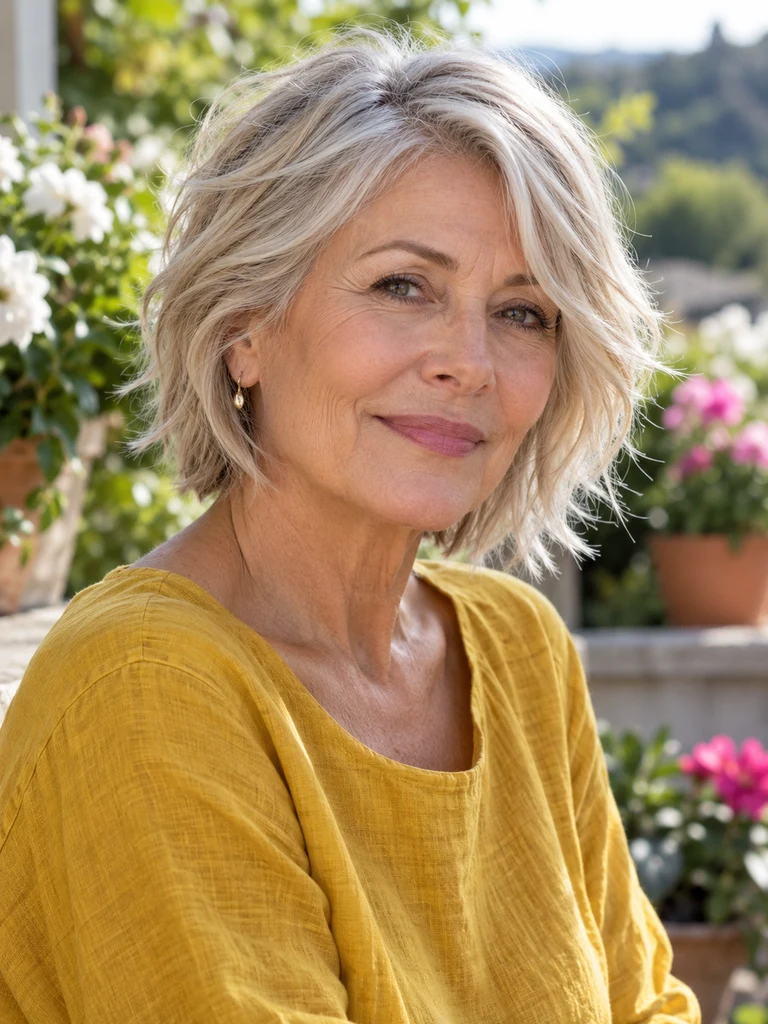
A shaggy bob blends soft crown layers with lightly broken-up ends, creating a relaxed shape that doesn’t need to look perfectly aligned. It works best when hair has natural waves or moderate fullness; fine hair may need a less fragmented perimeter. Request subtle texture rather than aggressive razoring. Scrunch damp lengths with a small amount of foam, then leave the ends imperfect for an intentional, easygoing look.
22. Asymmetrical Bob Haircut
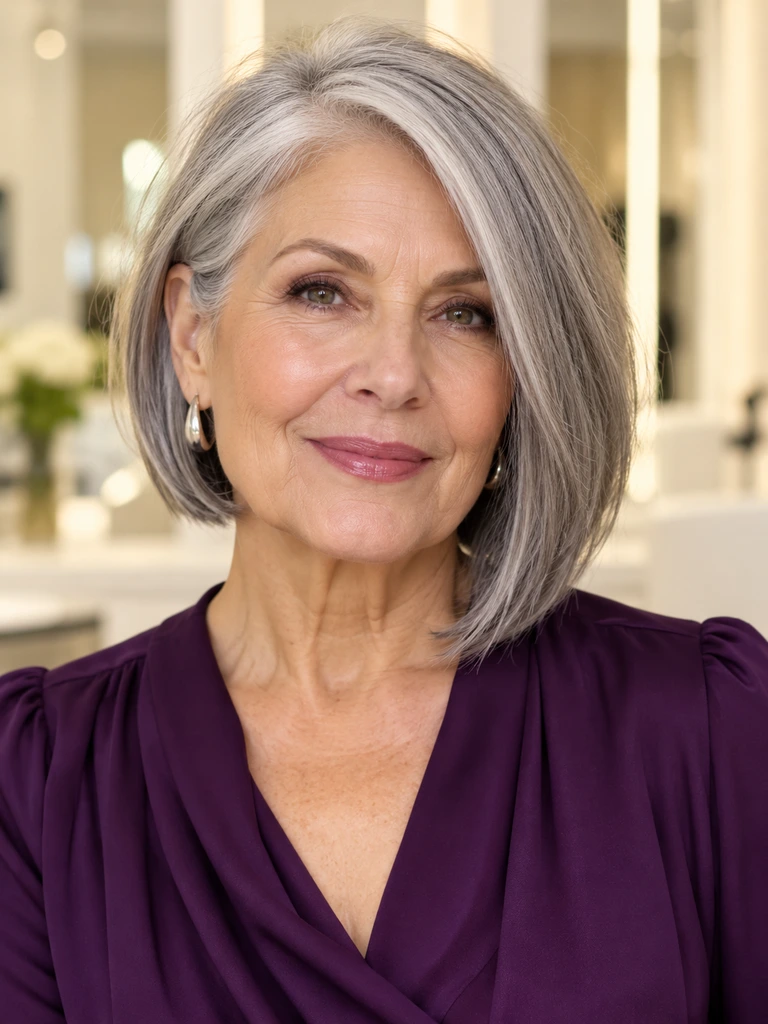
The asymmetrical bob keeps one side visibly longer, adding an interesting line around the face while preserving the familiar comfort of a bob. Straight or gently wavy hair shows the shape most clearly without much styling. Ask your stylist to position the longer section on the side that naturally falls forward. Comb it into place after washing; a moderate difference in length is easier to maintain than a dramatic angle.
23. Bob with a Hidden Nape Undercut
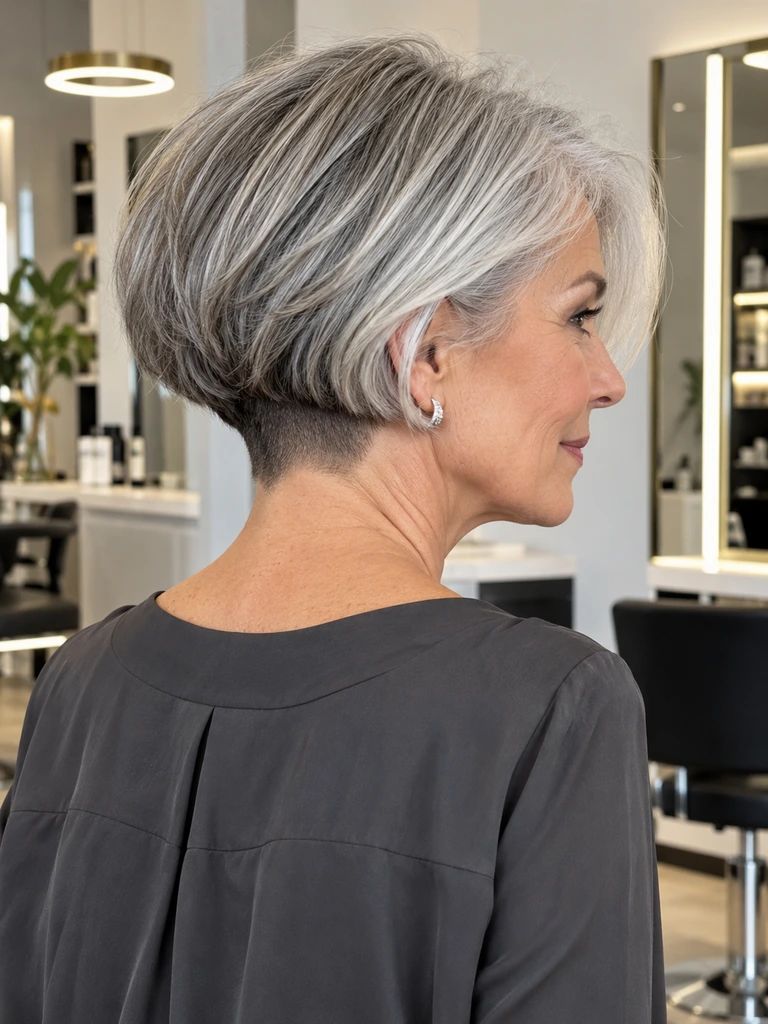
For thick hair, a discreet nape undercut removes bulk underneath a bob while leaving the top layers long enough to cover it. The result can feel cooler and lighter, especially around the neck. It’s less suitable when the hair above is too sparse to conceal the shorter section. Ask for a conservative undercut first, and remember that the hidden area needs regular trims even when daily styling is easy.
24. Neck-Length Bob with Side-Swept Fringe
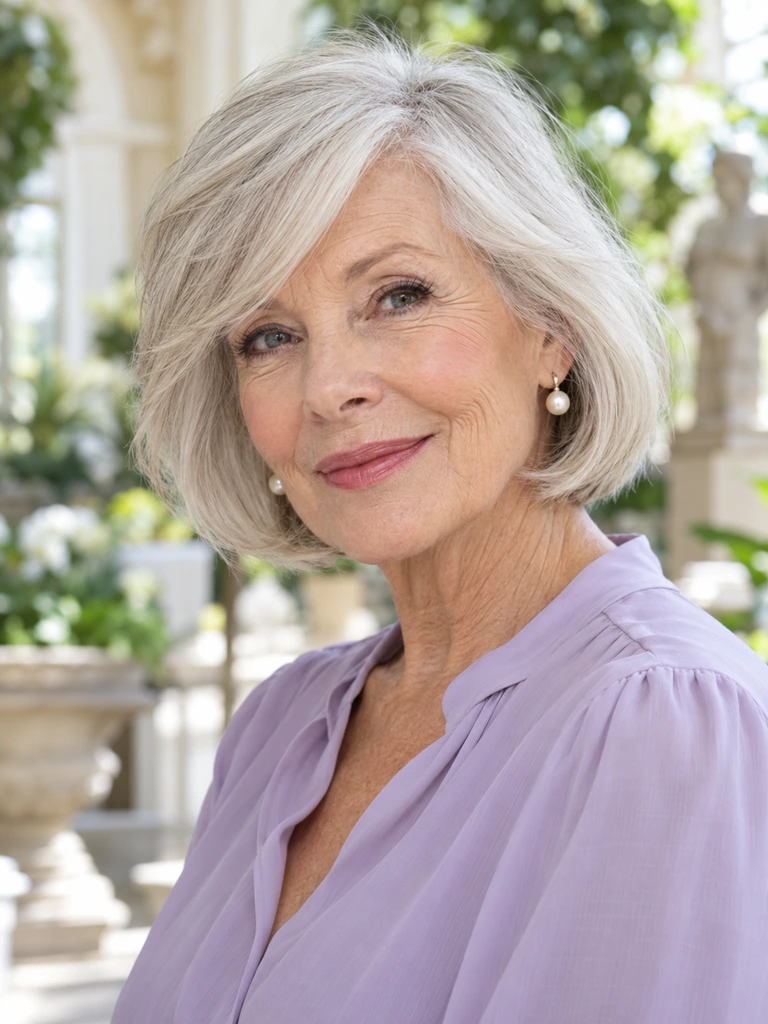
This bob ends near the nape and features a longer, side-swept fringe that softens the forehead and brings attention toward the eyes. It suits women who prefer more coverage than a pixie but dislike hair resting on the shoulders. Have the fringe cut according to your natural part and growth direction. A gentle comb-through while damp is enough, although the fringe may require occasional reshaping.
Medium and Longer Wash and Wear Haircuts for Women Over 60
25. Classic Collarbone-Length Lob
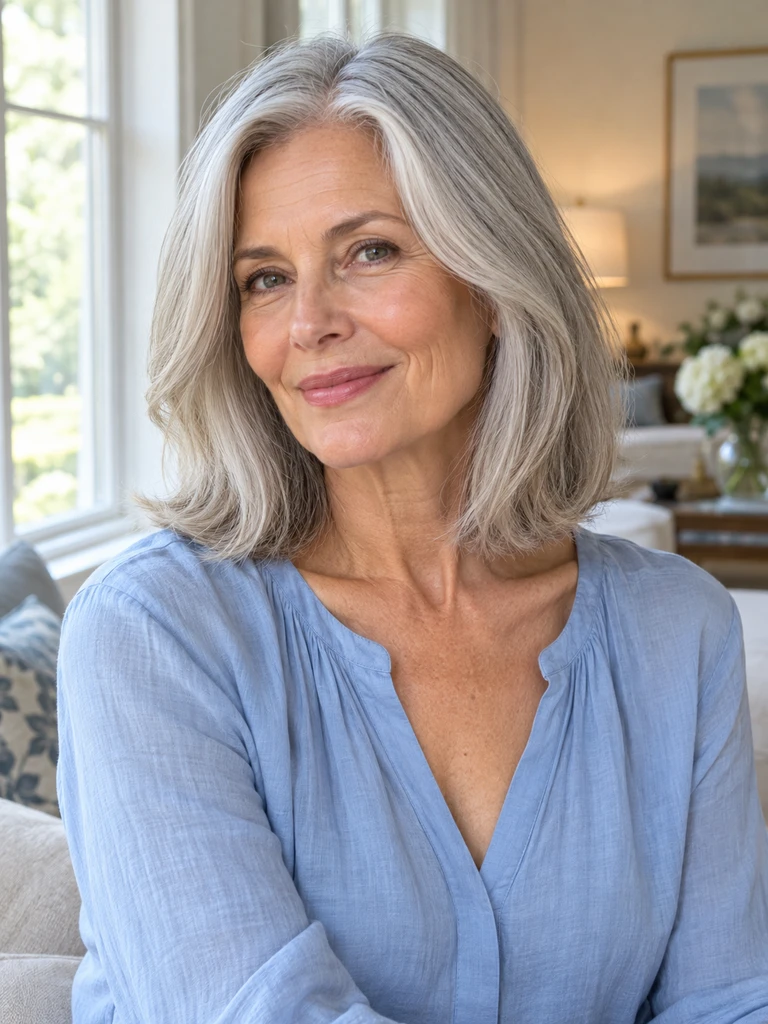
A collarbone-length lob offers the simplicity of a bob with enough length to tuck back or tie loosely on busy days. It’s forgiving on straight hair and loose waves, since the extra weight helps the ends fall downward. Ask for a clean perimeter that doesn’t stop where your shoulders force a flip. Apply conditioner mainly through the lengths and let the hair dry with its natural movement.
26. Softly Layered Long Bob
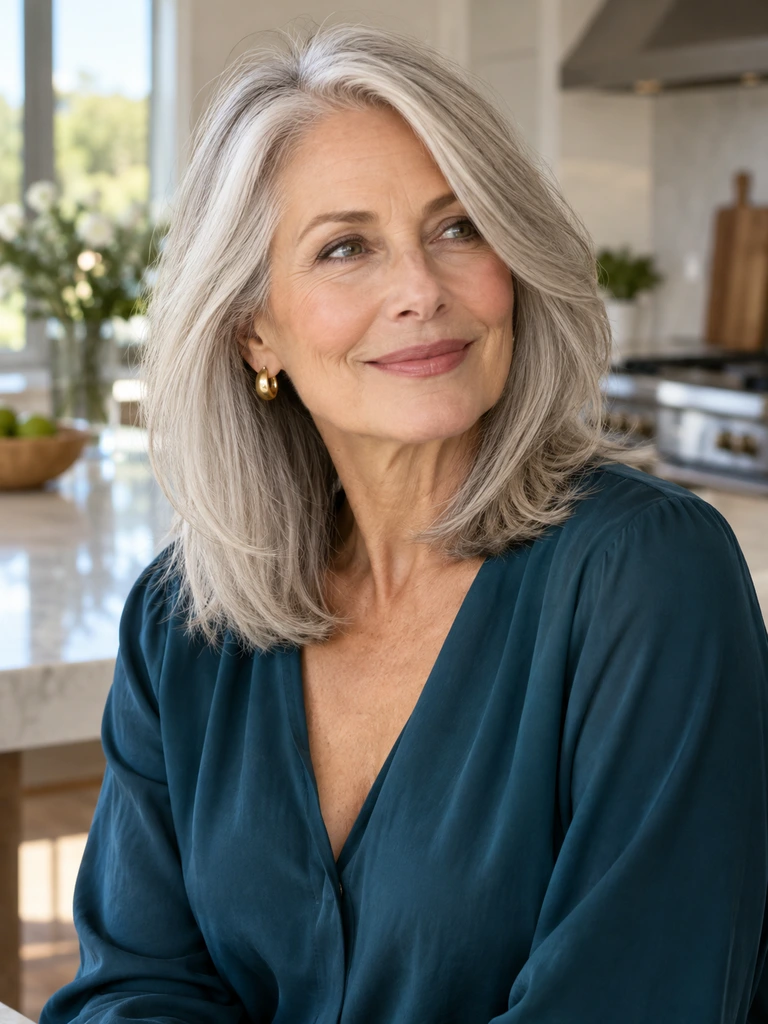
The softly layered lob introduces enough internal movement to keep longer hair from hanging like a solid curtain. It suits medium-density hair that needs a little release around the cheekbones but still benefits from weight at the bottom. Ask for long, blended layers rather than short steps near the crown. Detangle gently when wet, use a light leave-in product, and let the layers settle as the hair dries.
27. Wavy Shaggy Lob

A shaggy lob combines shoulder-grazing length with relaxed layering that follows natural waves, making an imperfect finish part of its appeal. It’s a good match for hair that expands when dry but forms attractive bends with minimal encouragement. Ask for balanced layers around the face and less removal from already thin ends. Scrunch a little mousse into damp hair, then allow the waves to form without combing them apart.
28. Blunt Shoulder-Length Haircut
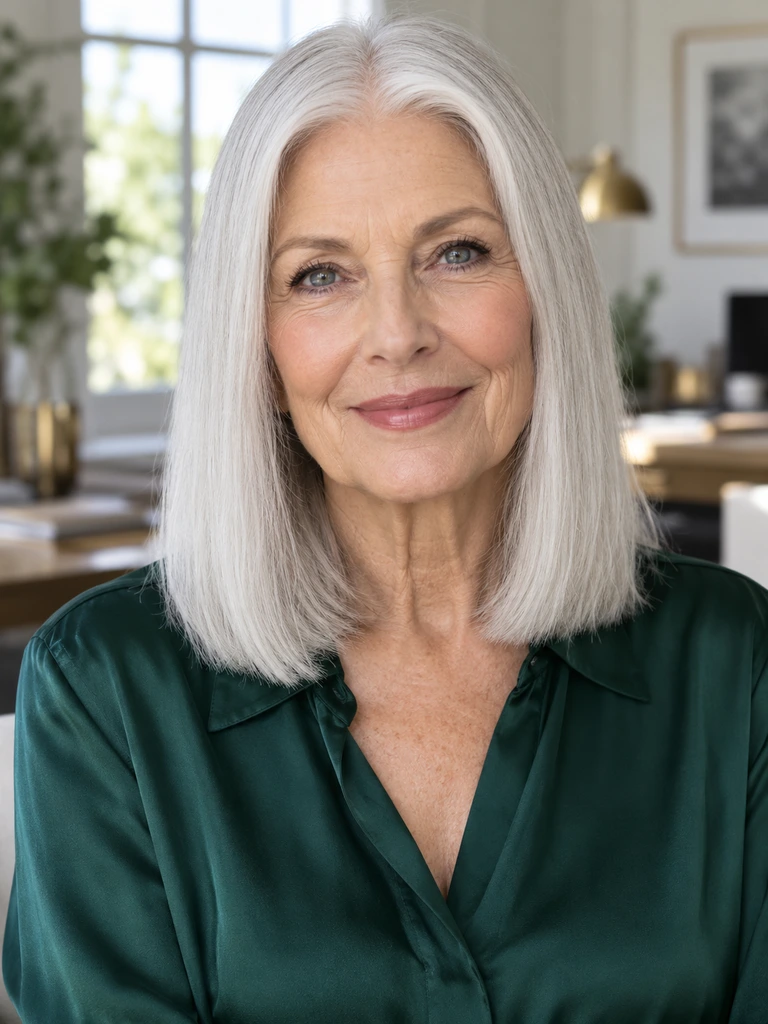
A blunt shoulder-length cut creates a solid-looking edge while leaving enough length for a ponytail or clip. It can make fine or medium-density hair look more generous at the ends, when the natural texture is straight. Ask for minimal layering and a length that accommodates any shoulder-induced flick. Once washed, comb gently into your preferred part and avoid weighing down the perimeter with thick styling products.
29. Shoulder-Length U-Shaped Haircut
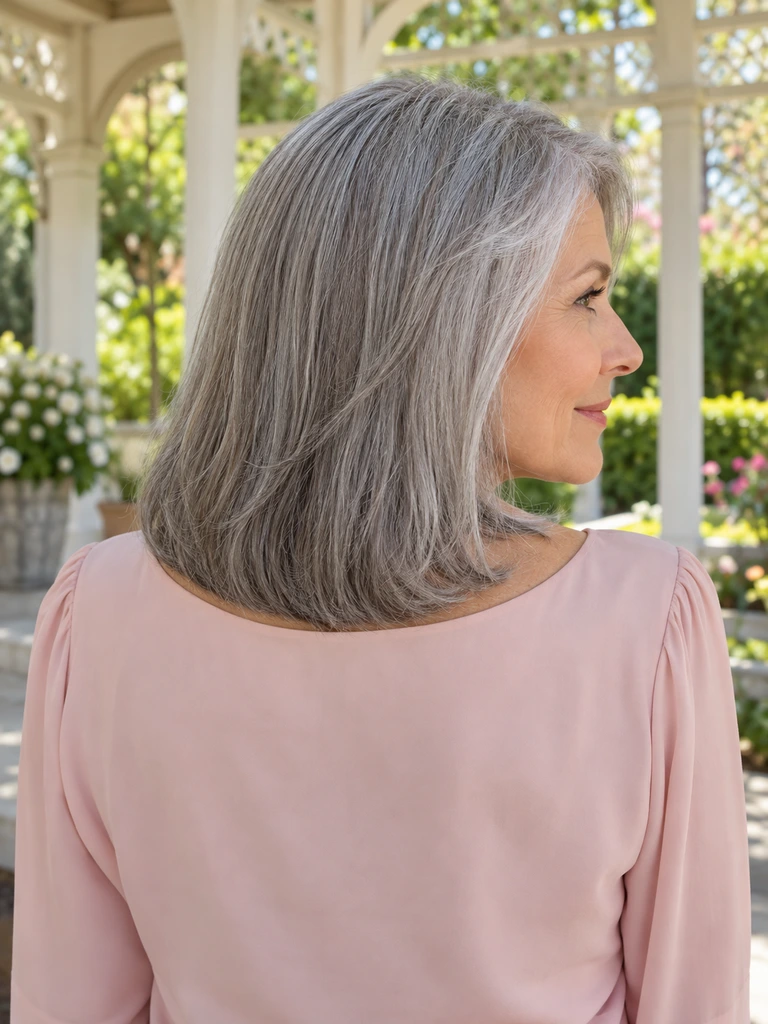
A subtle U-shaped cut curves gently across the back, leaving the center longer than the sides without creating a dramatic V. It offers softer movement than a perfectly straight line while preserving most of your length. This is a useful choice for medium-to-thick hair that dries smoothly or with loose waves. Ask for a shallow curve and restrained layering, then air-dry in your natural part.
30. Feathered Shoulder-Length Layers
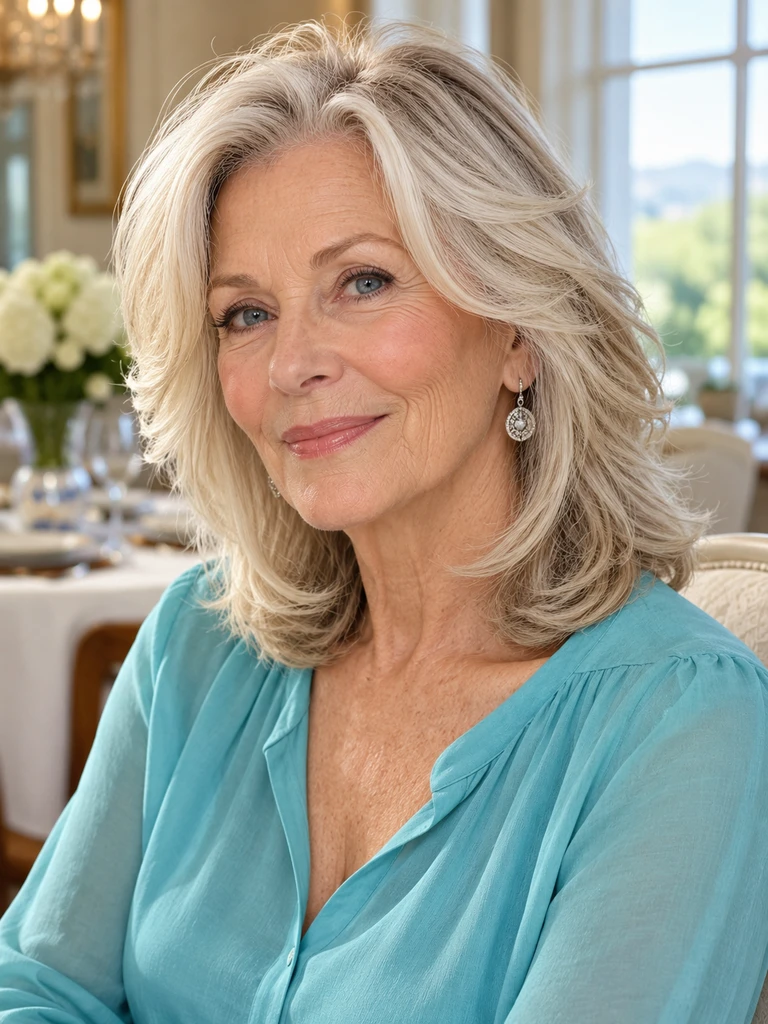
Feathered shoulder-length layers frame the face with soft, tapered pieces while allowing the remaining hair to rest around the shoulders. They can feel airy on thick hair or hair with a natural outward bend, but need care on fine ends. Ask for feathering around the front rather than thinning everywhere. Finger-shape the face-framing sections while damp; accept their natural direction instead of forcing a dramatic blowout.
31. Shoulder-Length Cut with Curtain Bangs
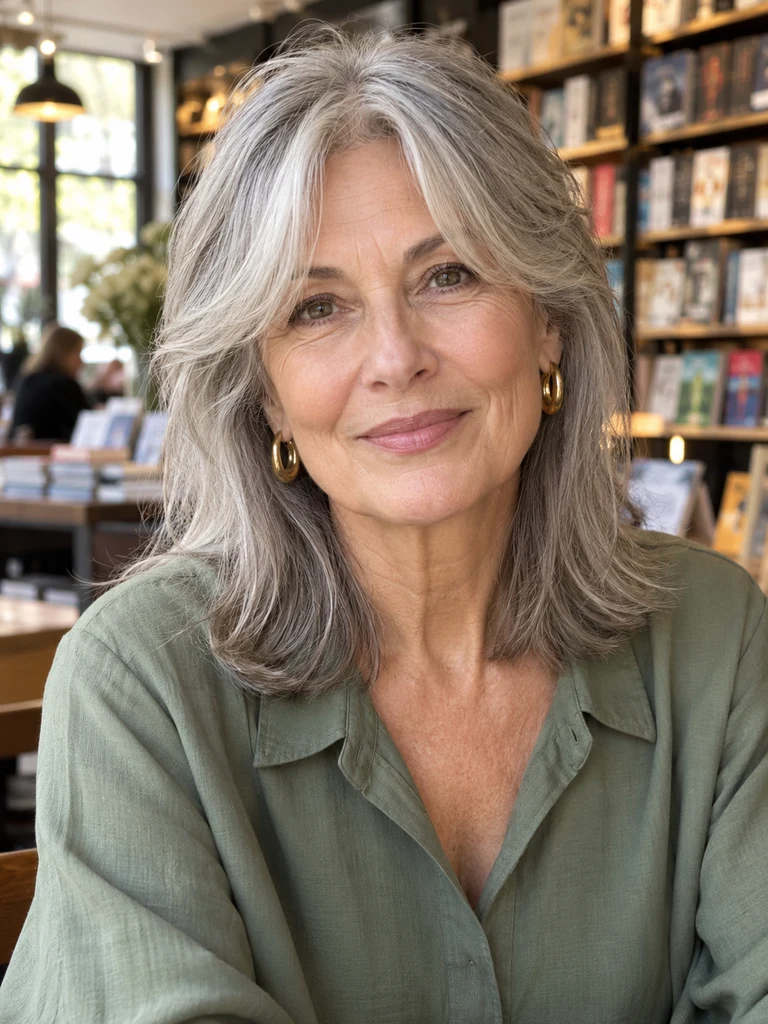
Curtain bangs part near the middle or off-center and blend into a simple shoulder-length cut. Their soft framing can be lovely if your hair naturally separates this way, but a strong cowlick may make the fringe less wash-and-wear. Ask for longer, cheekbone-skimming pieces first so they remain flexible. Direct the bangs with your fingers while damp, then let the rest of the hair dry untouched.
32. Medium Shag with Soft Fringe
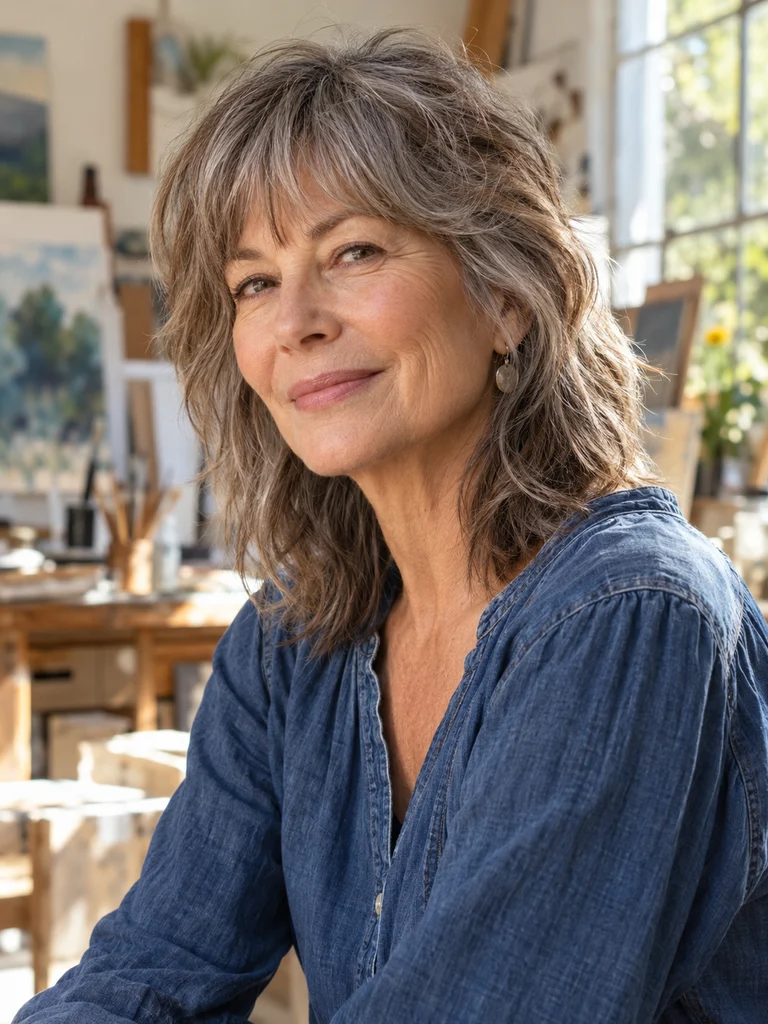
The medium shag uses shorter crown layers, graduated lengths, and a soft fringe to create an intentionally loose silhouette. It comes alive on naturally wavy hair, where each layer can bend without hot tools. Ask your stylist to protect density around the bottom so the cut stays full rather than feathery and sparse. Scrunch damp hair with a lightweight styler, and let flyaways contribute to its lived-in character.
33. Soft Wolf Cut for Naturally Wavy Hair
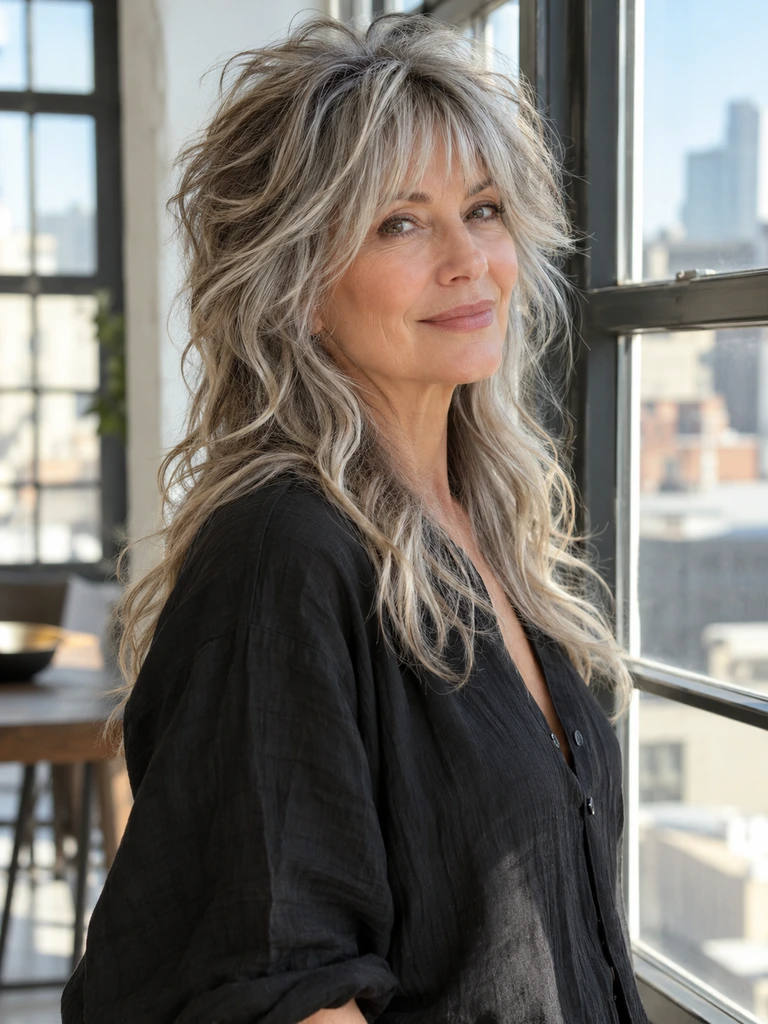
A soft wolf cut brings more movement to the crown while keeping longer, lighter sections through the neckline. Compared with a classic shag, its contrast between top and bottom is more noticeable, although this version avoids extreme disconnection. It suits fuller, naturally wavy hair better than thin lengths. Ask for gentle transitions between layers, then scrunch and air-dry rather than trying to smooth every piece.
34. Mid-Length Rounded Layers for Thick Hair
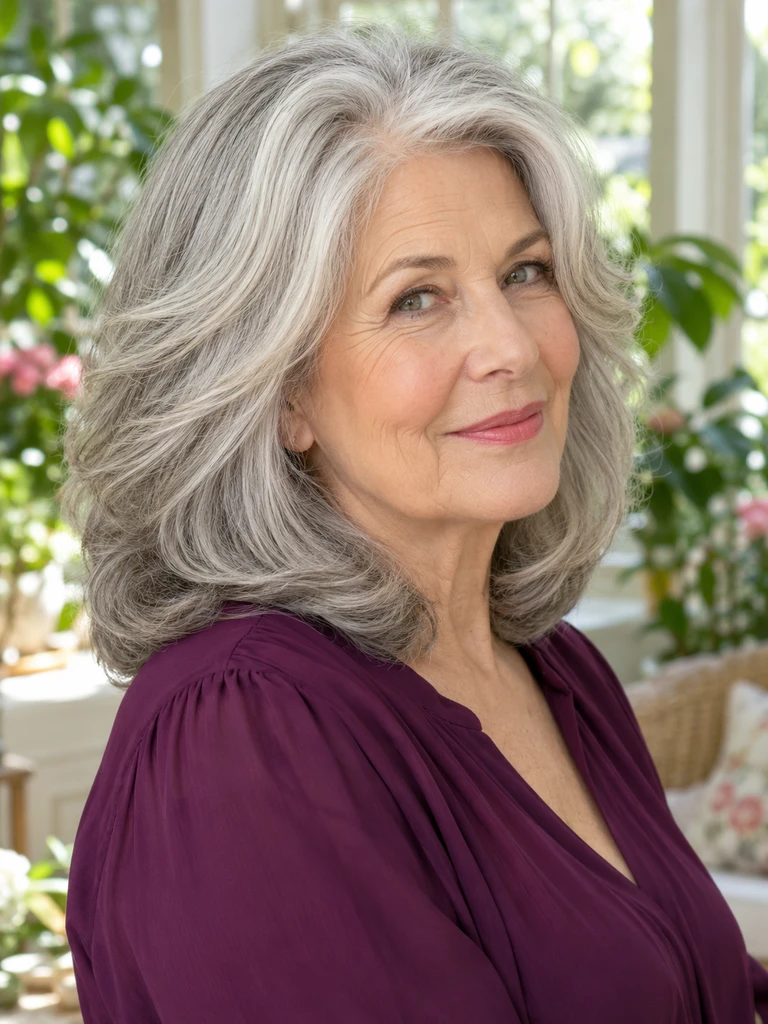
Rounded layers distribute the weight of thick mid-length hair so it doesn’t spread outward in a heavy block. Instead of choppy steps, the lengths connect smoothly and follow the head’s natural shape. This is helpful for dense hair with soft waves or substantial body. Ask the stylist to remove interior bulk conservatively, keeping the surface intact. A conditioning leave-in product helps the layers settle without excessive heat.
35. Long Hair with Minimal Face-Framing Layers
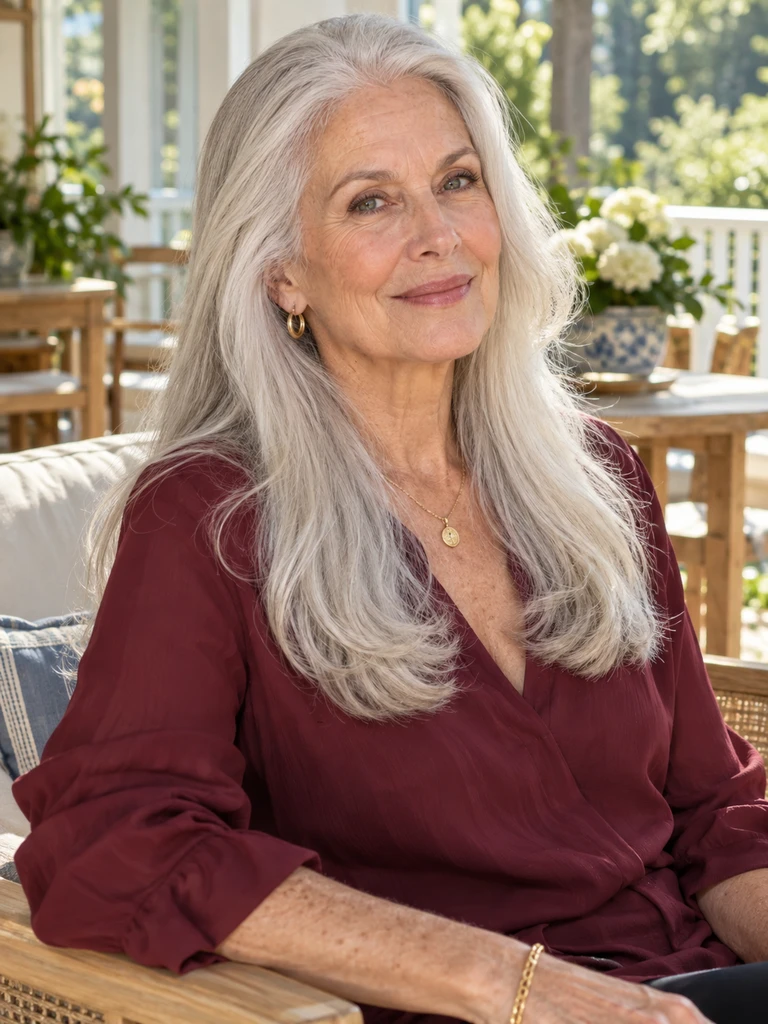
You don’t have to go short after 60 to enjoy an easier routine. Long hair with minimal face-framing layers preserves the weight that can help straight or loosely wavy hair fall neatly on its own. Ask for a healthy, substantial perimeter and only a few longer pieces beside the face. Detangle carefully, condition dry-prone ends, and use a loose braid or clip whenever you want it off your shoulders.
Natural Curly and Coily Wash and Wear Haircuts for Women Over 60
36. Short Tapered Natural Afro
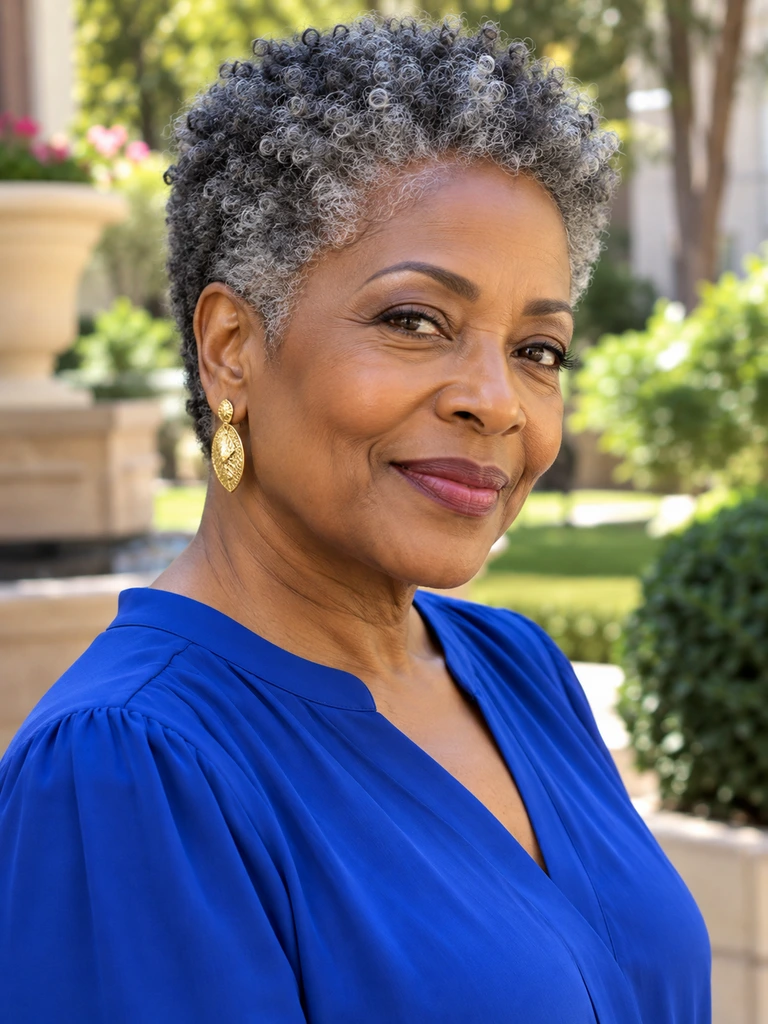
A short tapered afro keeps the sides and nape shorter while allowing natural coils to form a fuller shape on top. This contrast creates definition without straightening, although short areas need occasional reshaping. Ask for a taper that respects your hairline and an upper length that works with your shrinkage pattern. Cleanse gently, condition well, and use a moisturizing styler that suits your coils before letting them dry.
37. Soft Rounded Afro Haircut
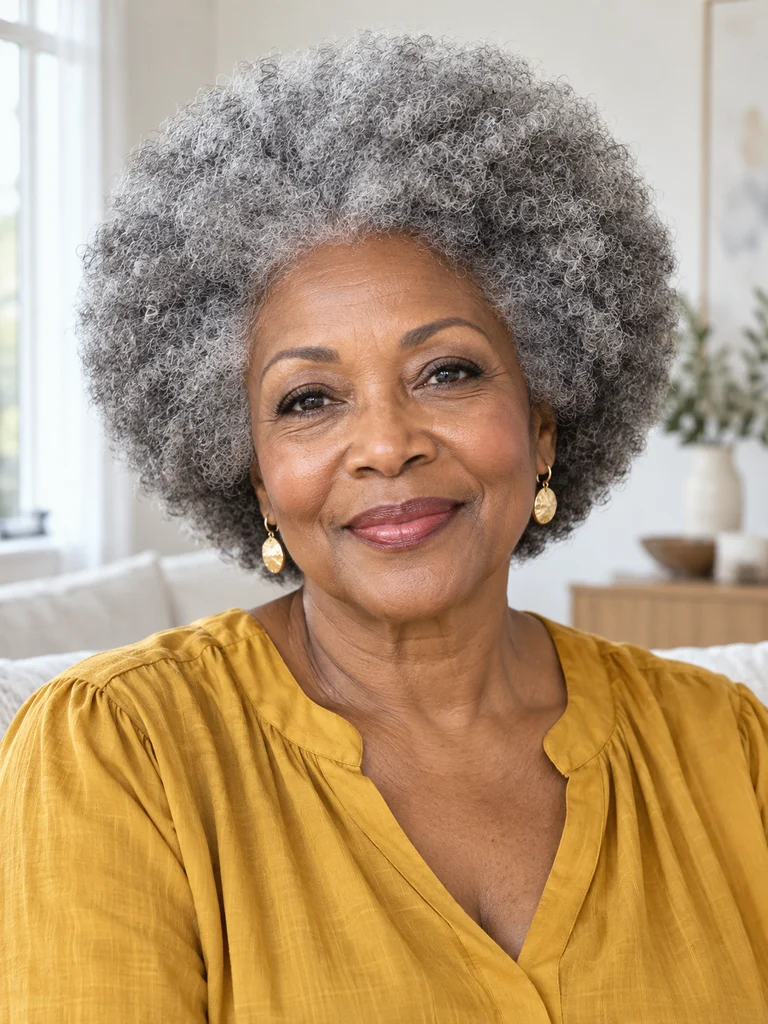
A rounded afro creates an even, cloudlike silhouette by shaping the hair according to its natural coily volume. Rather than hiding texture, this haircut makes it the main feature. It’s most effective when the stylist checks the shape in its dry, shrunken state instead of assuming wet length predicts the final result. Maintain moisture, detangle gently in sections, and refresh flattened areas with your fingers or a pick when appropriate.
38. Short Coily Crop
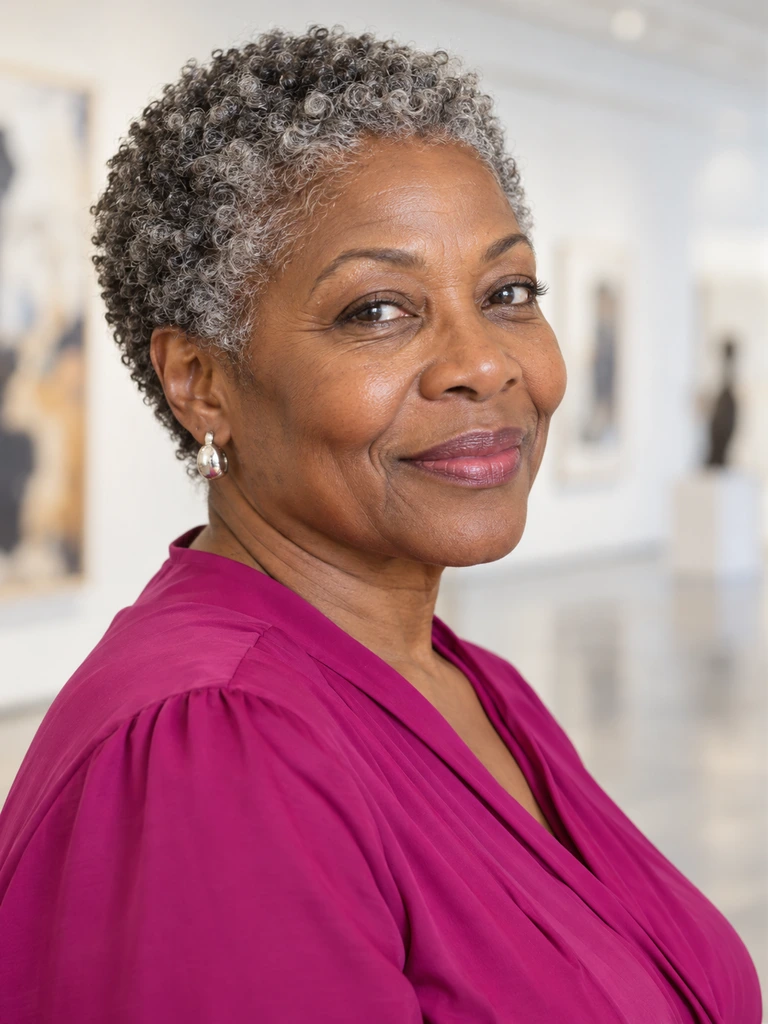
A short coily crop keeps tightly textured hair at a manageable, fairly even length while leaving enough growth for the coil pattern to remain visible. It differs from a tapered afro by emphasizing a compact silhouette rather than noticeably longer hair at the crown. Ask for a length based on how much your coils shrink. A simple cleanse-condition-moisturize routine can be sufficient, with occasional gentle reshaping between cuts.
39. Neck-Length Coily Bob
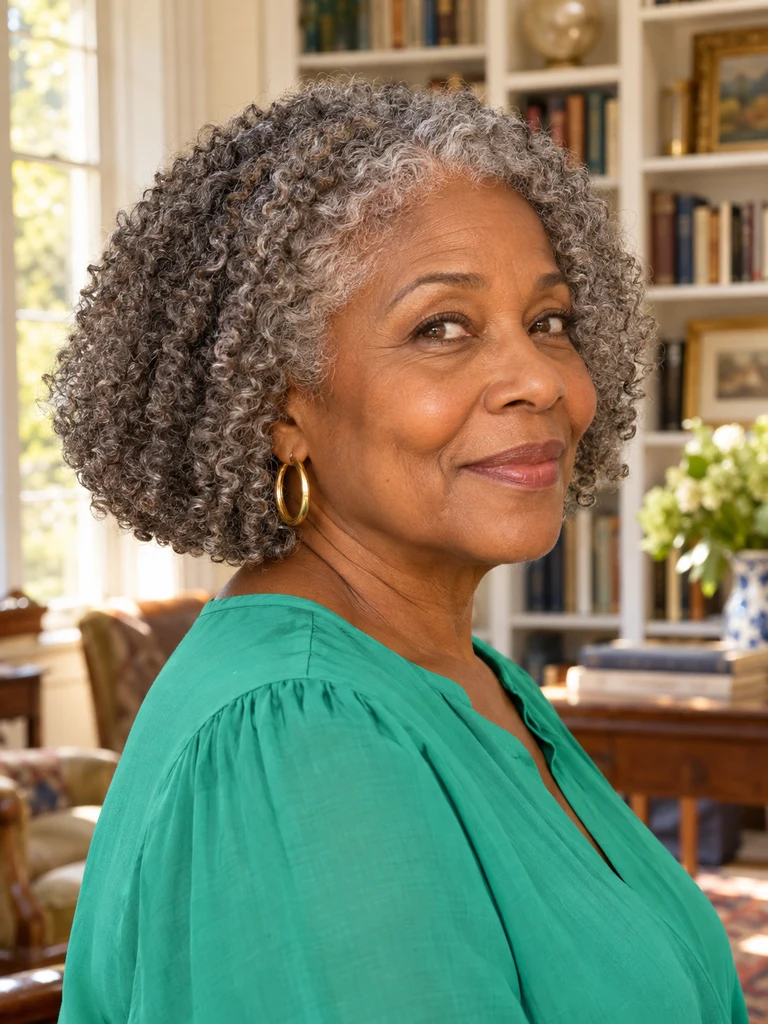
A coily bob creates a bob-inspired outline that rests around the neck when the hair is fully dry, not merely when it’s stretched. The stylist shapes the perimeter to allow for different shrinkage rates across the head. This works well if you enjoy a rounded, structured silhouette but don’t want short sides. Apply conditioner in sections, use a suitable defining product, and dry without pulling the coils straight.
40. Shoulder-Grazing Coily Layers
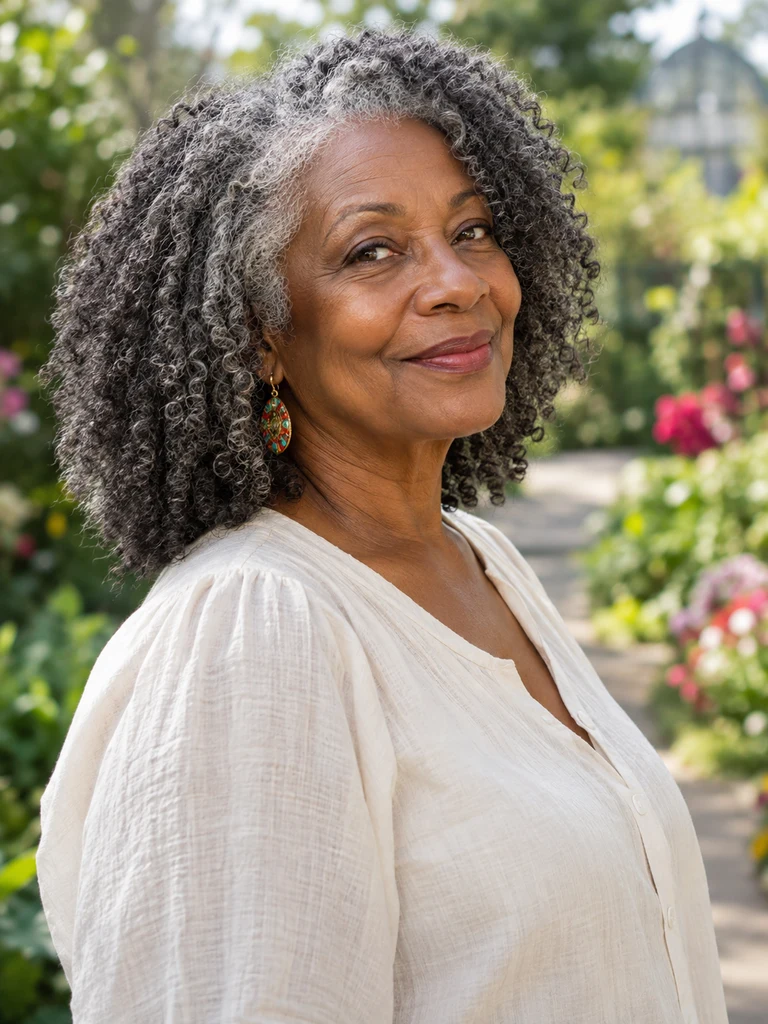
Shoulder-grazing coily layers keep more length while distributing volume so the hair doesn’t become overly wide at the ends. Because coils can shrink substantially, the stylist should establish the desired dry shape before removing length. Ask for broad, connected layers instead of many short pieces that are difficult to control. After washing, detangle in conditioned sections, define or separate coils as preferred, and allow enough drying time.
41. Rounded Curly Halo Cut
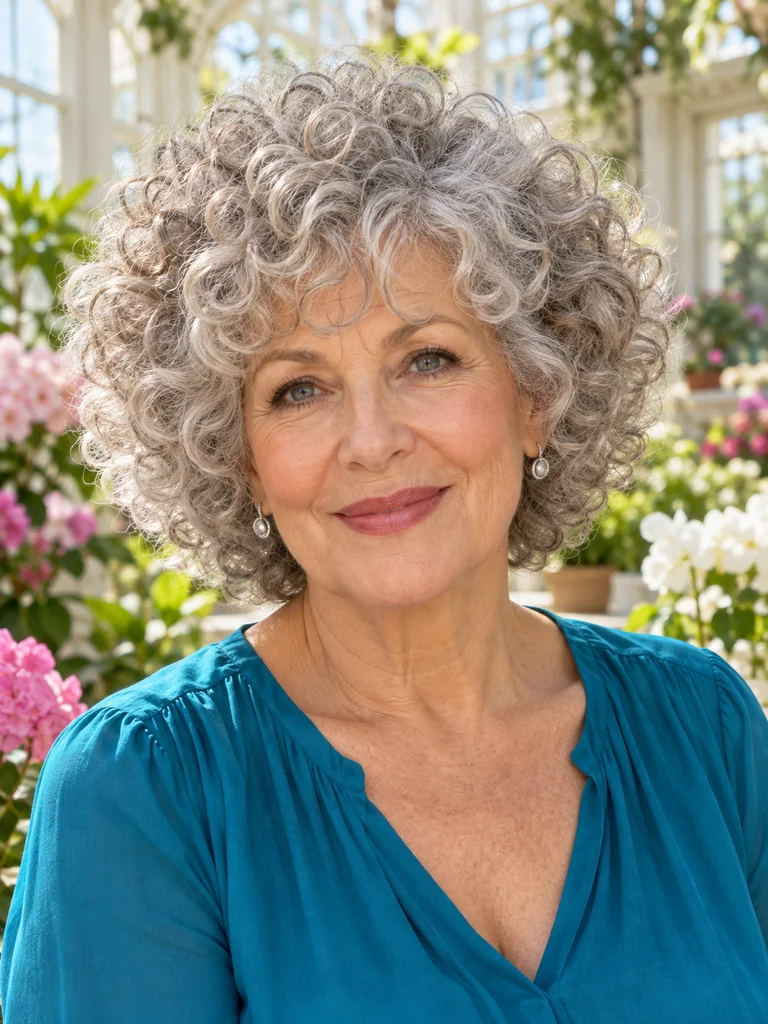
The curly halo cut builds soft volume around the entire head, creating an airy, balanced frame rather than a flat crown and heavy bottom. It can suit springy curls with natural lift to hold a rounded shape. Ask for careful dry-shape assessment so the sides don’t expand farther than you like. Scrunch in a light curl product and let curls dry with minimal touching to preserve their spring.
42. Curly Shag with Natural Bangs
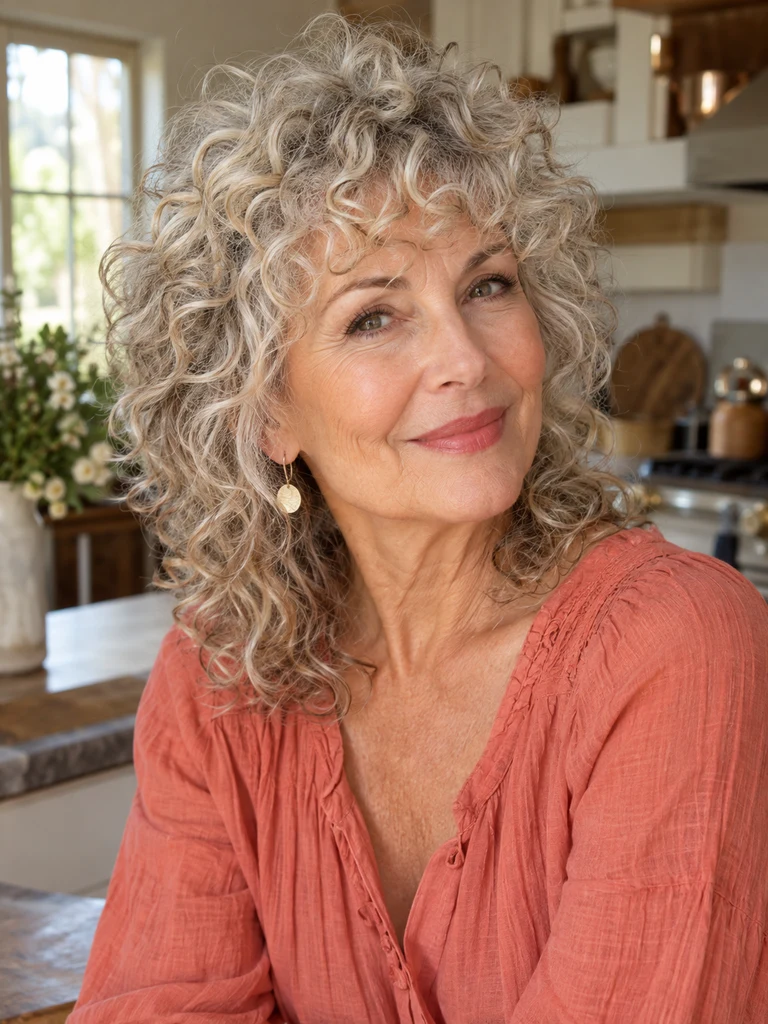
A curly shag combines lively layers through the crown with longer curls at the sides and nape, while natural curly bangs soften the forehead. This look is ideal when curls already bounce into different lengths without coaxing. Ask for the fringe to be cut conservatively because it will shorten as it dries. Apply curl cream or gel evenly, then let the bangs spring into place instead of brushing them straight.
43. Asymmetrical Curly Haircut
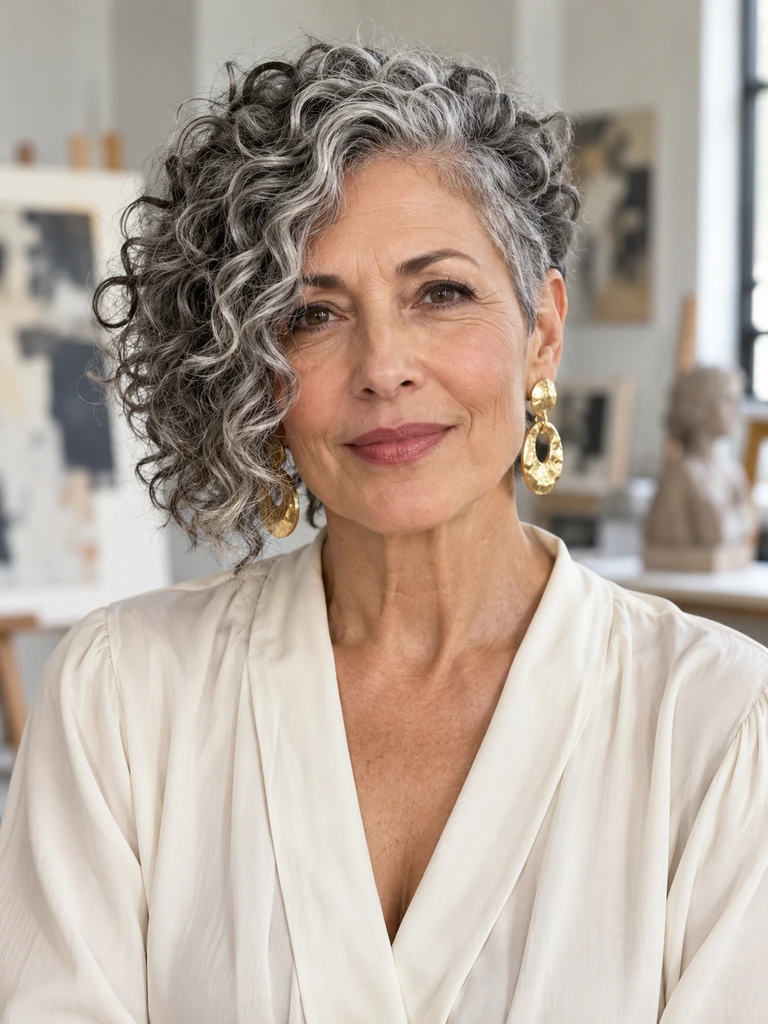
An asymmetrical curly cut uses a deliberate difference in length or volume from one side to the other, giving natural texture a striking but wearable shape. It works best when a stylist studies each side’s curl pattern and density rather than cutting a simple geometric line. Ask for a moderate asymmetry that still looks balanced when dry. Refresh curls with water and your preferred styler instead of reshaping them with heat.
44. Layered Spiral Curl Haircut
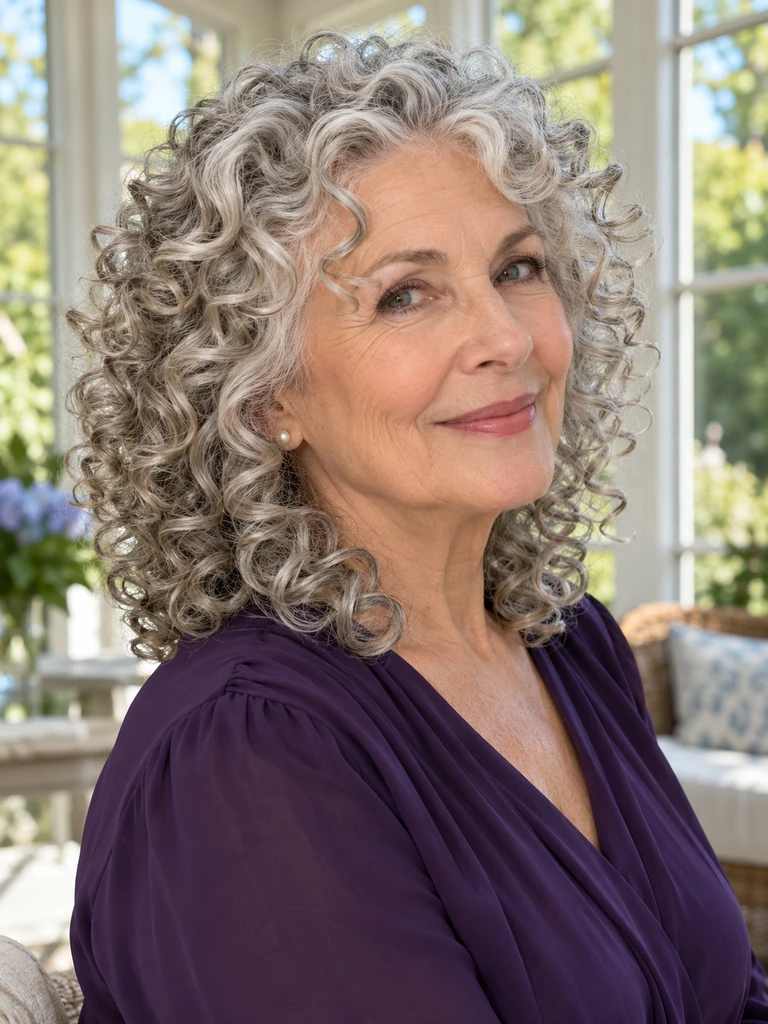
A layered spiral cut is designed for defined corkscrew curls that can become heavy or triangular when kept at one length. Graduated, connected layers allow the spirals to stack softly while preserving their individual pattern. Ask for curl-aware cutting that considers shrinkage and avoids thinning shears through delicate ends. Apply product to wet curls, scrunch upward, and allow the spirals to dry without separating them prematurely.
45. Tapered-Nape Curly Haircut
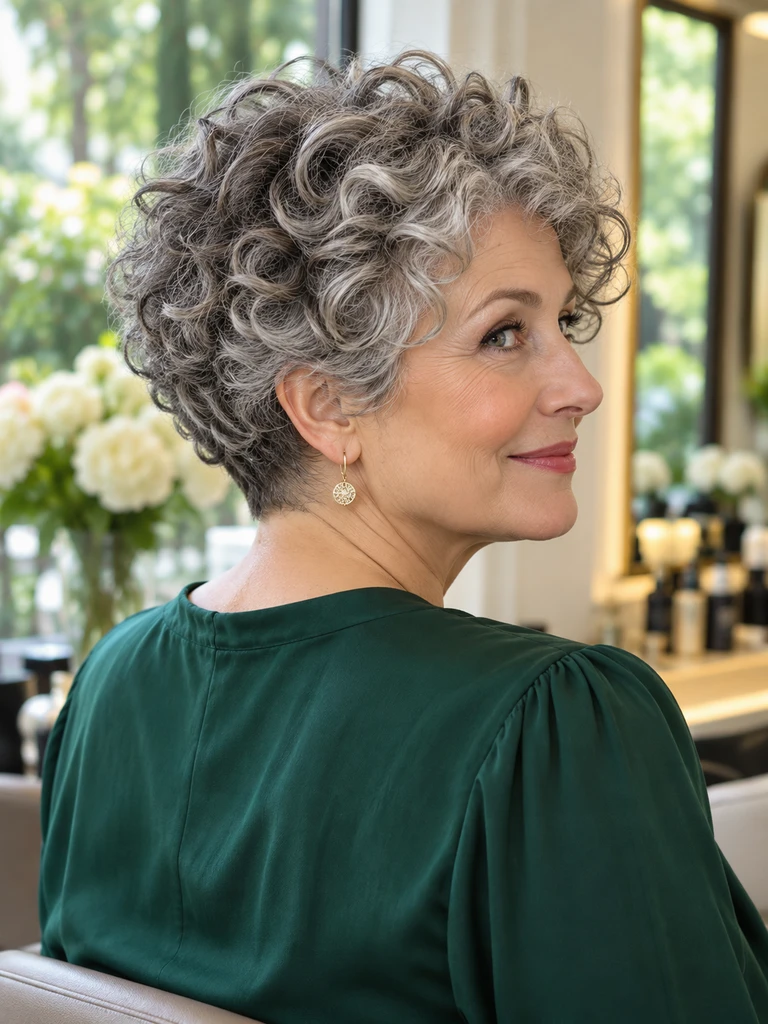
A tapered-nape curly haircut keeps the neckline neat while retaining generous curls above the ears and through the crown. Unlike a full pixie, it emphasizes a curly upper silhouette with a distinctly shorter back, helping reduce neck bulk. Ask for a gradual transition rather than a harsh line, especially if your curl density varies. Condition the longer curls carefully, let them air-dry, and maintain the taper with routine trims.
How to Choose the Right Wash and Wear Haircut After 60
Start with what your hair does without styling. If it dries straight and flat, a blunt bob or gently tapered crop may hold its shape better than a heavily layered shag. If it forms waves, choose layers that encourage those bends; if it’s curly or coily, make shrinkage and moisture needs part of the consultation. Density matters, too: fine hair often benefits from stronger-looking ends, while thick hair may need careful weight removal. Bring photos, but tell your stylist how often you’re willing to visit the salon and whether you truly want to air-dry.
Simple Maintenance Tips for Wash and Wear Haircuts
Choose a gentle cleansing schedule that suits your scalp rather than washing by a fixed rule. Use conditioner where your hair needs it, and detangle with care if strands are fragile. Blot with a soft towel or T-shirt; rough rubbing encourages frizz and breakage. Lightweight leave-ins can help fine or wavy hair, while curls and coils may benefit from richer moisture and hold. Give hair a chance to dry in the shape you want before touching it repeatedly. Remember that short tapers, sharp bobs, wedges, and undercuts can be effortless each morning yet demand more frequent trims.
Frequently Asked Questions
What is the easiest wash and wear haircut for a woman over 60?
There’s no universal winner. A tapered pixie, simple bob, or shaped coily crop may suit different textures. The easiest option fits your hair and salon schedule.
Which wash and wear haircuts make fine hair look fuller?
Blunt bobs, neat crops, and softly layered lobs create stronger-looking outlines. Preserve delicate ends, and avoid products that leave fine strands limp.
Can women over 60 keep longer wash and wear haircuts?
Yes. Collarbone lobs, shoulder-length cuts, and longer hair with minimal layers can air-dry beautifully. Longer hair may need extra detangling and conditioning.
Conclusion
The most flattering wash-and-wear haircut isn’t necessarily the shortest or trendiest one. It’s the cut that works with your texture, feels comfortable, and looks like you on an ordinary morning. From cropped pixies to graceful bobs and naturally shaped curls, these 45 options offer plenty of inspiration. Share your favorite with a hairstylist, then choose the version that fits both your hair and your routine.
