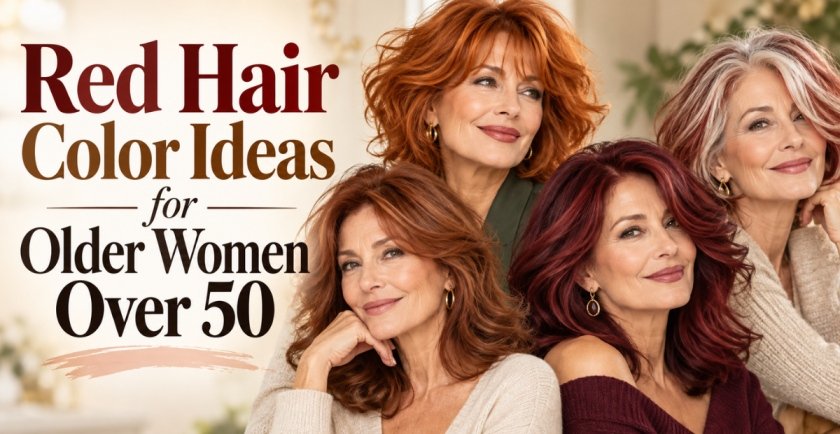
Red hair can be incredibly flattering at any age, and the right shade can be especially beautiful on mature hair. Thoughtful red tones can bring warmth to the complexion, add visible dimension to fine or thinning hair, and make gray strands feel like part of an intentional color design rather than something that must always be hidden.
When choosing red hair color for older women over 50, consider your natural depth, skin undertone, percentage of gray, hair condition, and the amount of maintenance you are comfortable with. The best result is rarely about choosing the brightest red; it is about finding the depth, temperature, and placement that work with your features and lifestyle.
1. Classic Copper Red
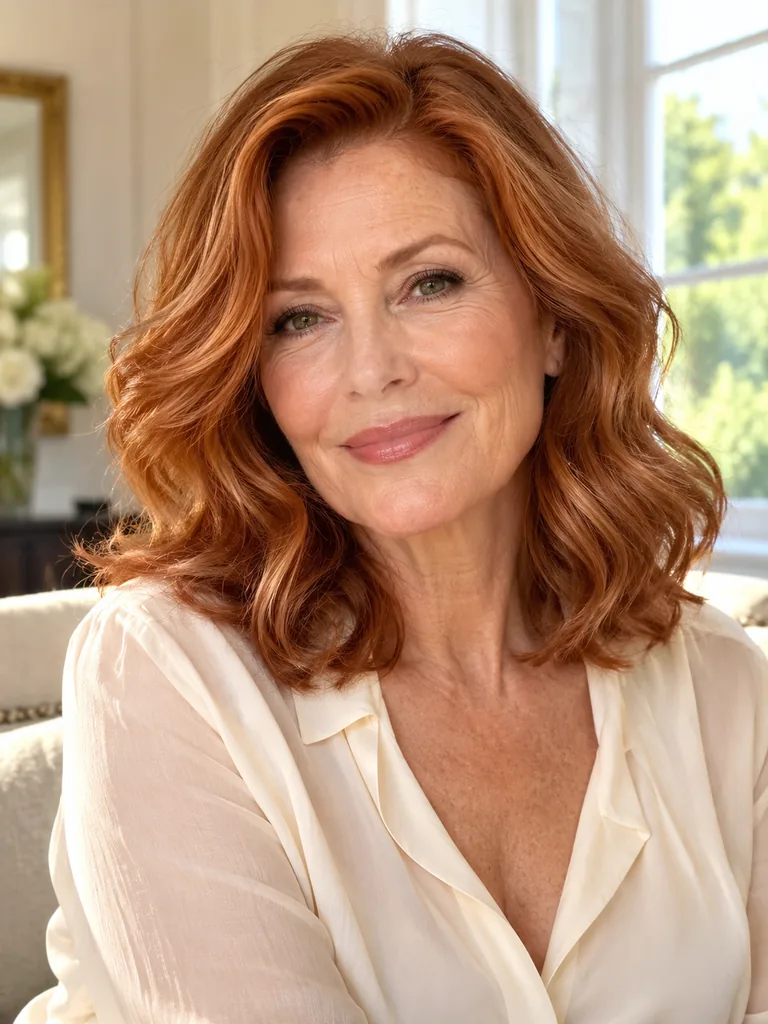
Classic copper red is one of the most timeless choices after 50 because it feels vibrant without looking artificial. A balanced mix of warm red and orange gives the hair a polished copper glow, while soft waves help the shade reflect light and create dimension around the face.
2. Soft Auburn
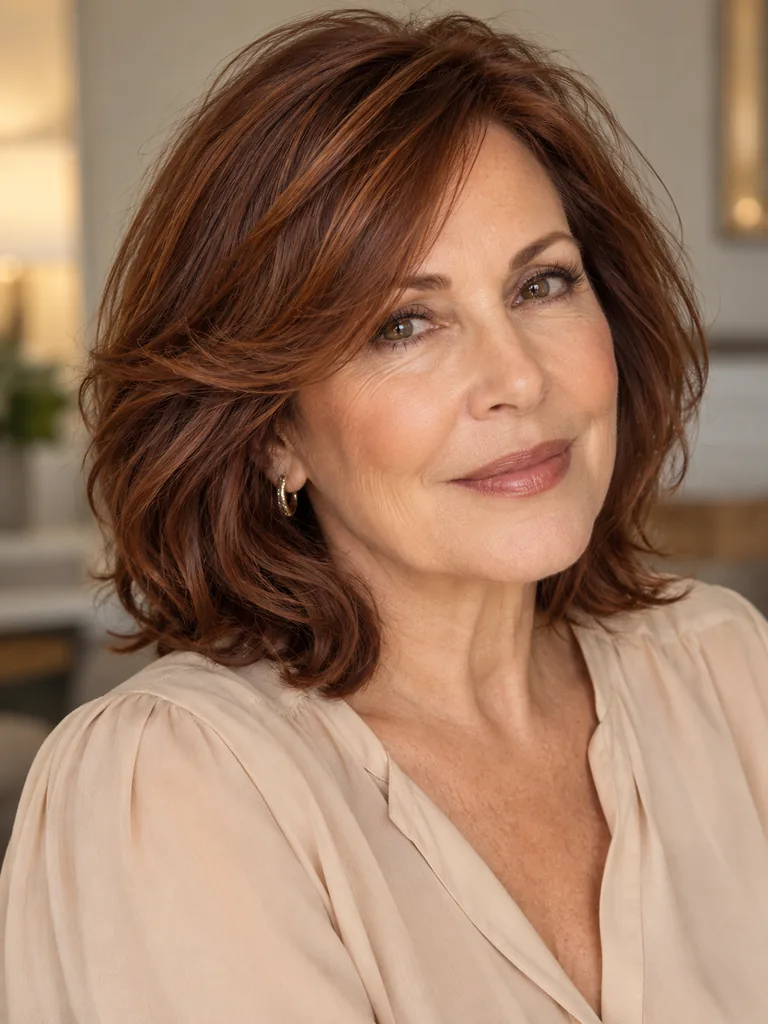
Soft auburn blends brunette depth with restrained red warmth, making it an easy introduction to red hair. The color reads as sophisticated brown indoors and reveals more red in daylight, which is ideal if you want a flattering change without committing to a bright copper finish.
3. Strawberry Blonde
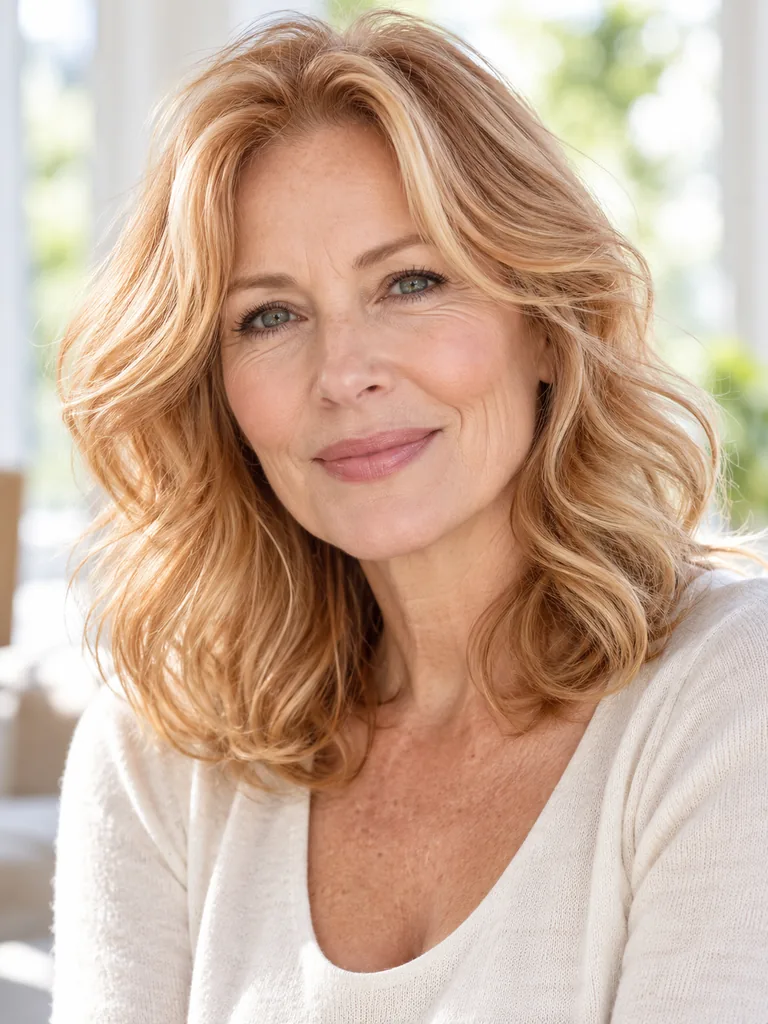
Strawberry blonde combines golden blonde with delicate light red and peachy-copper undertones. It can be especially graceful on naturally light, white, or gray hair because the overall result stays luminous and soft rather than heavy, giving mature complexions a gentle wash of warmth.
4. Deep Auburn Brown
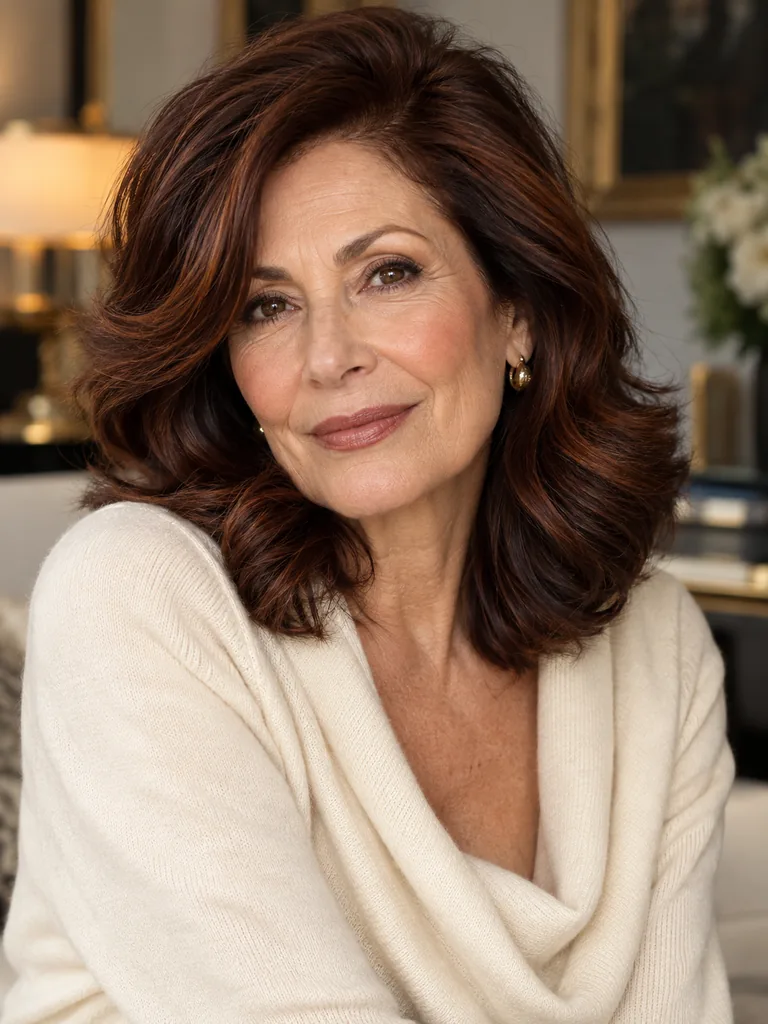
Deep auburn brown keeps brunette as the dominant color while adding rich auburn through the lengths. The darker base creates depth and gloss, while the red undertone keeps the shade from looking flat. It is a polished option for women who prefer richer, more understated red hair.
5. Natural Ginger Red
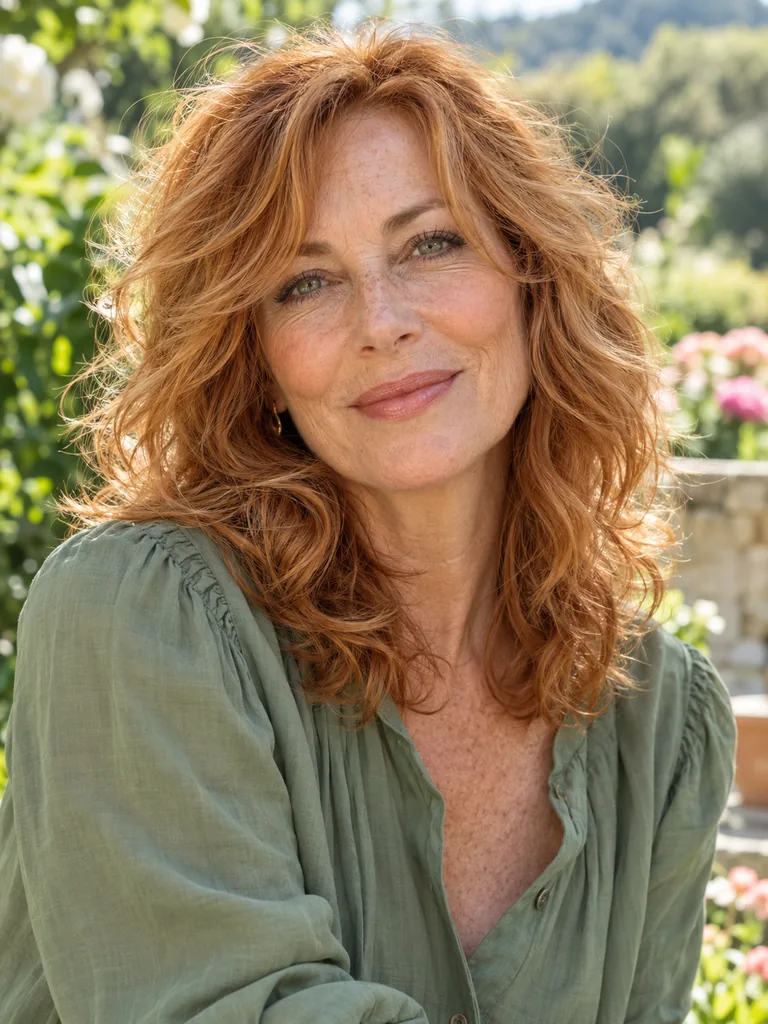
Natural ginger red sits between golden orange, soft copper, and warm red. The key is believable tonal variation rather than one flat orange shade. This makes the result look naturally red-haired and works beautifully with relaxed waves, freckles, and warm or neutral complexions.
6. Cinnamon Red
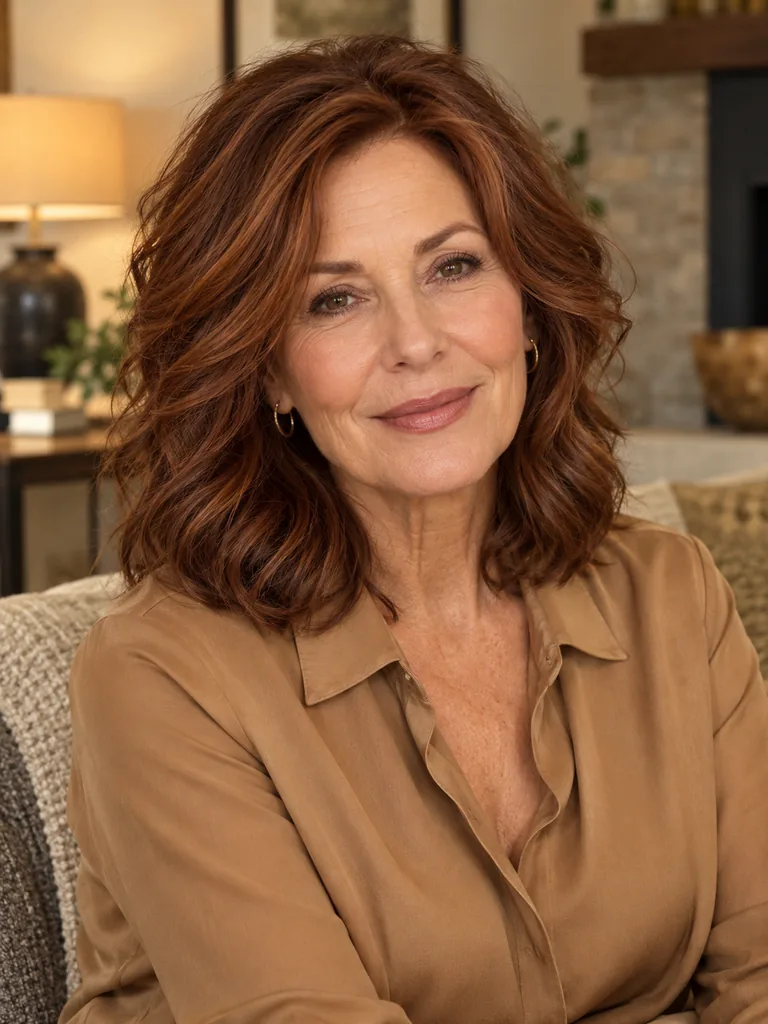
Cinnamon red is a brunette-based shade infused with spicy muted red and copper warmth. It resembles cinnamon bark more than bright copper, so the effect feels earthy and sophisticated. The brown foundation also makes the color easier to wear if you normally stay within brunette shades.
7. Copper Brown
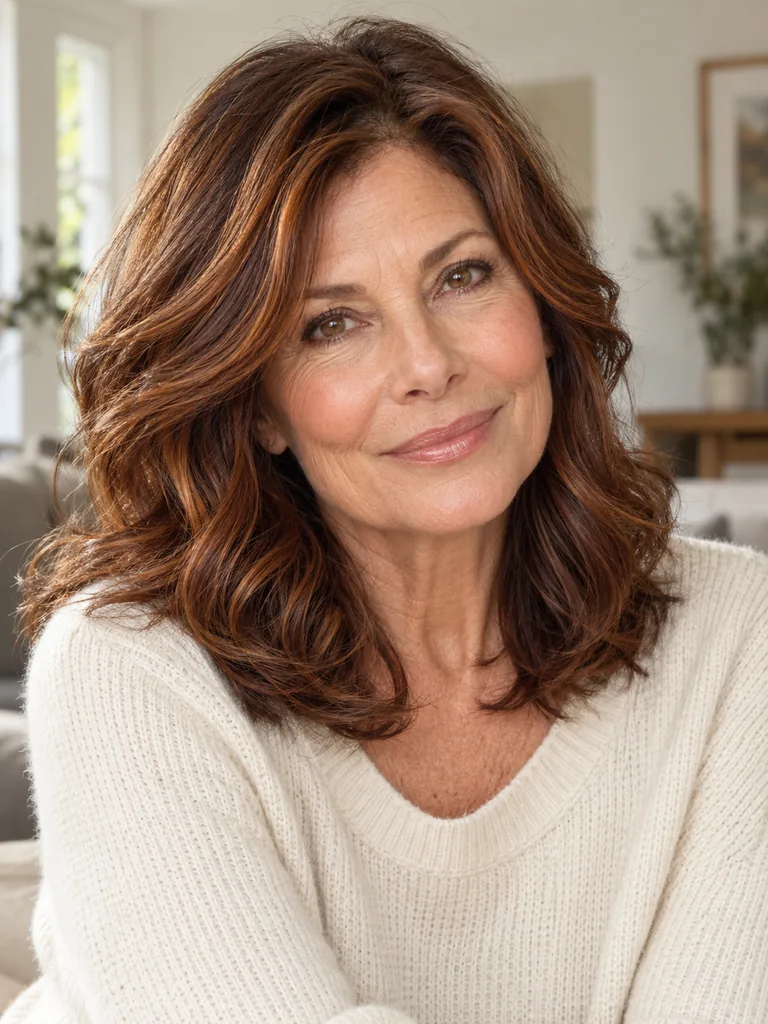
Copper brown starts with a true brunette base and adds noticeable copper reflections. It is ideal when you want warmth without looking fully red-haired. In layered or wavy hair, the copper catches the light while deeper brown sections create natural shadow and visual fullness.
8. Light Copper Blonde
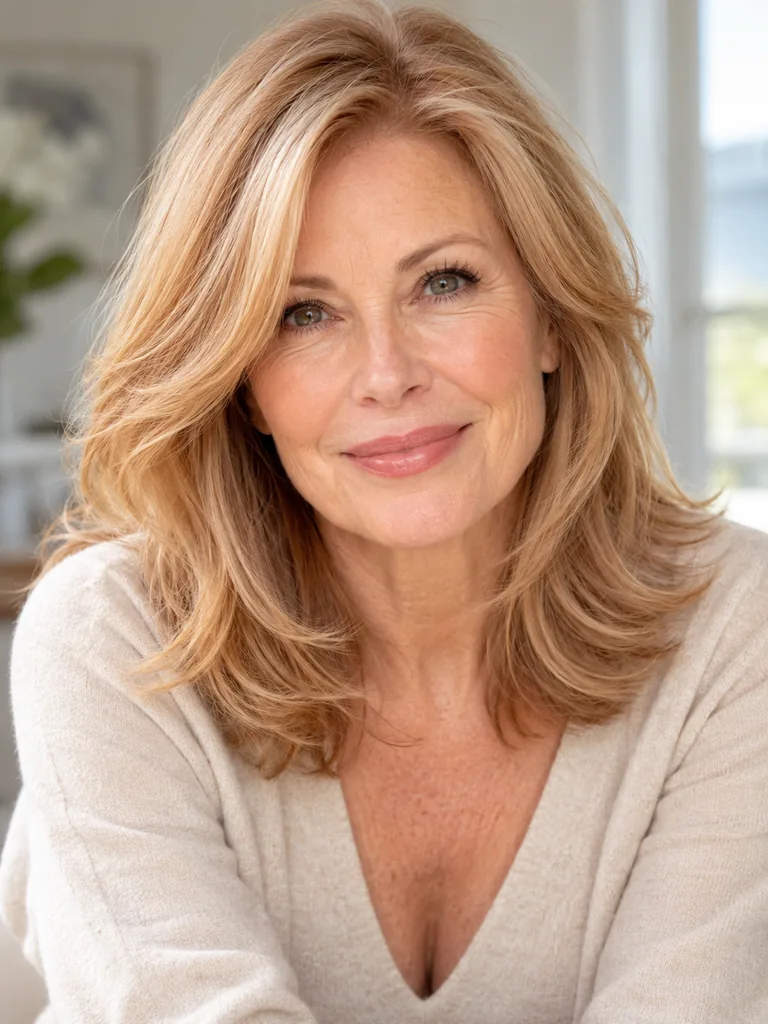
Light copper blonde uses a light blonde foundation warmed with delicate copper and golden-orange tones. It is brighter than strawberry blonde but still much softer than classic copper. This airy shade can work especially well on naturally light or highly gray hair when a luminous result is preferred.
9. Dark Copper Red
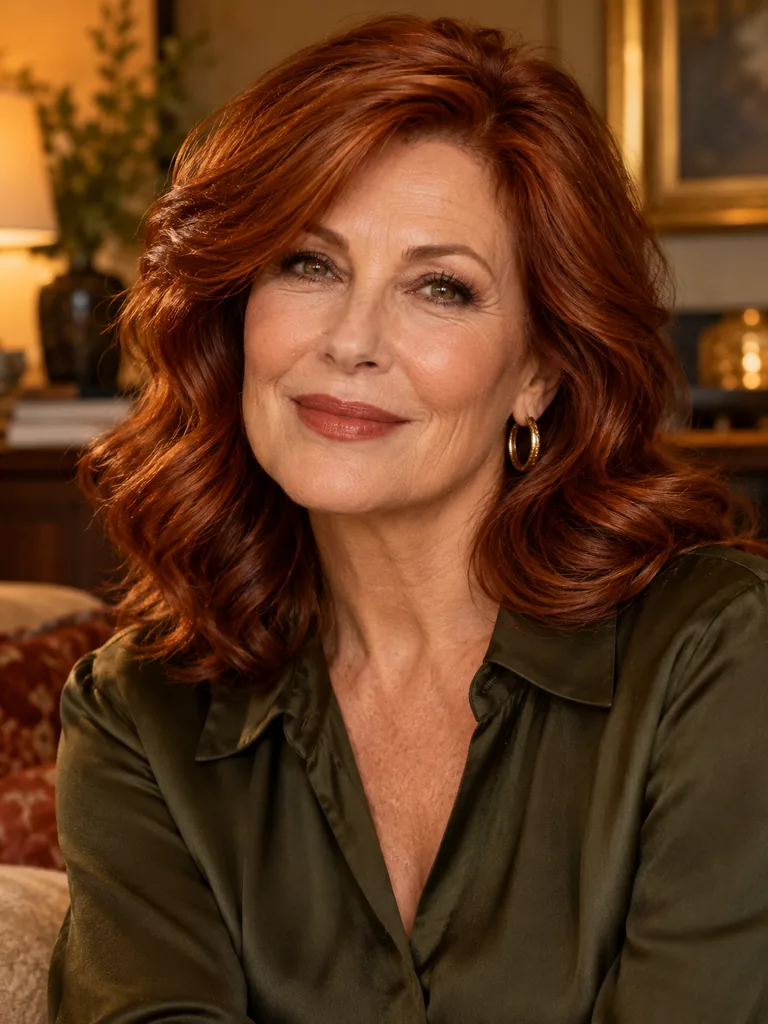
Dark copper red is a richer, deeper version of classic copper, combining burnished orange-red with subtle brown depth. It retains an unmistakably warm copper character while looking more saturated and luxurious, making it a strong choice for medium brunette starting colors.
10. Golden Copper
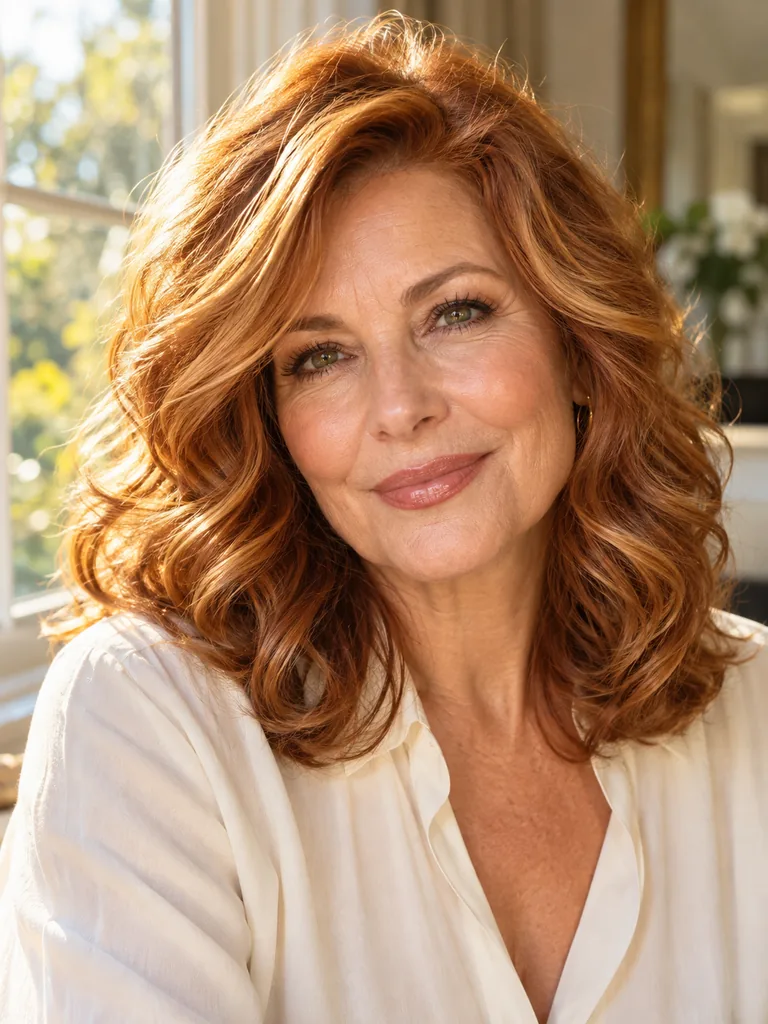
Golden copper blends a copper-red base with honey-gold undertones. The extra gold gives the hair a sunlit quality that can brighten warm or neutral complexions. Soft curls or waves show the contrast particularly well because some sections reflect gold while others appear more copper-red.
11. Copper Highlights on Brown Hair
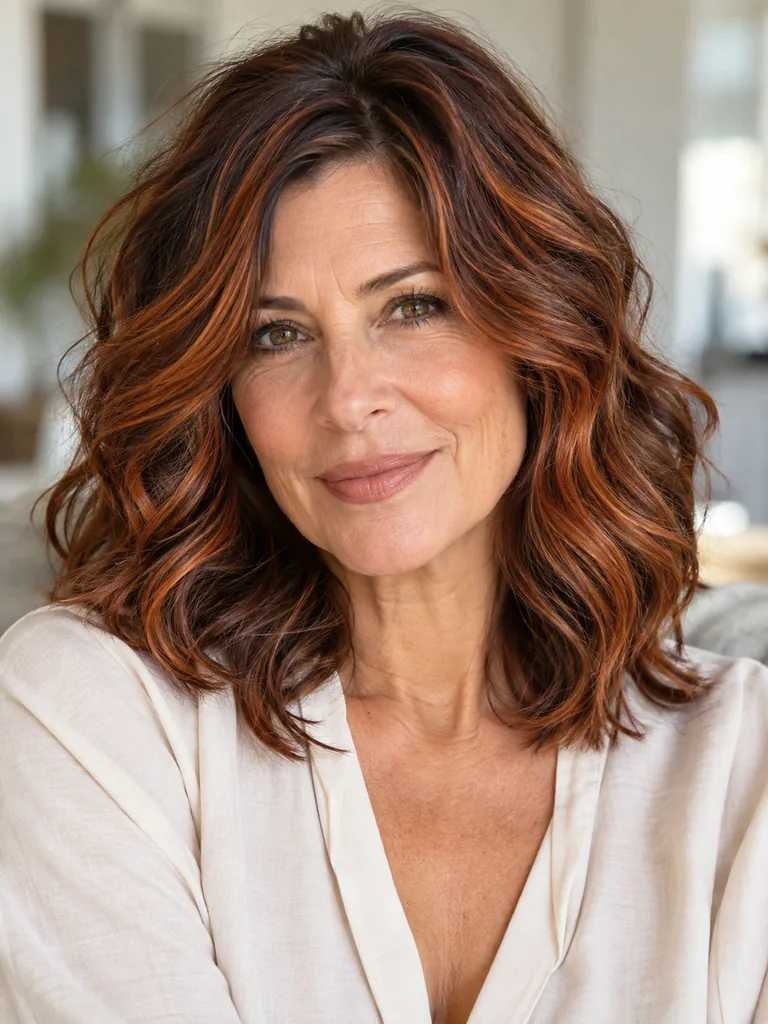
Copper highlights let you experiment with red while preserving plenty of natural brunette. Medium-width copper ribbons through brown hair add warmth, movement, and contrast without changing the entire base. Carefully placed pieces around the face can also create a brighter, more lifted appearance.
12. Auburn Highlights
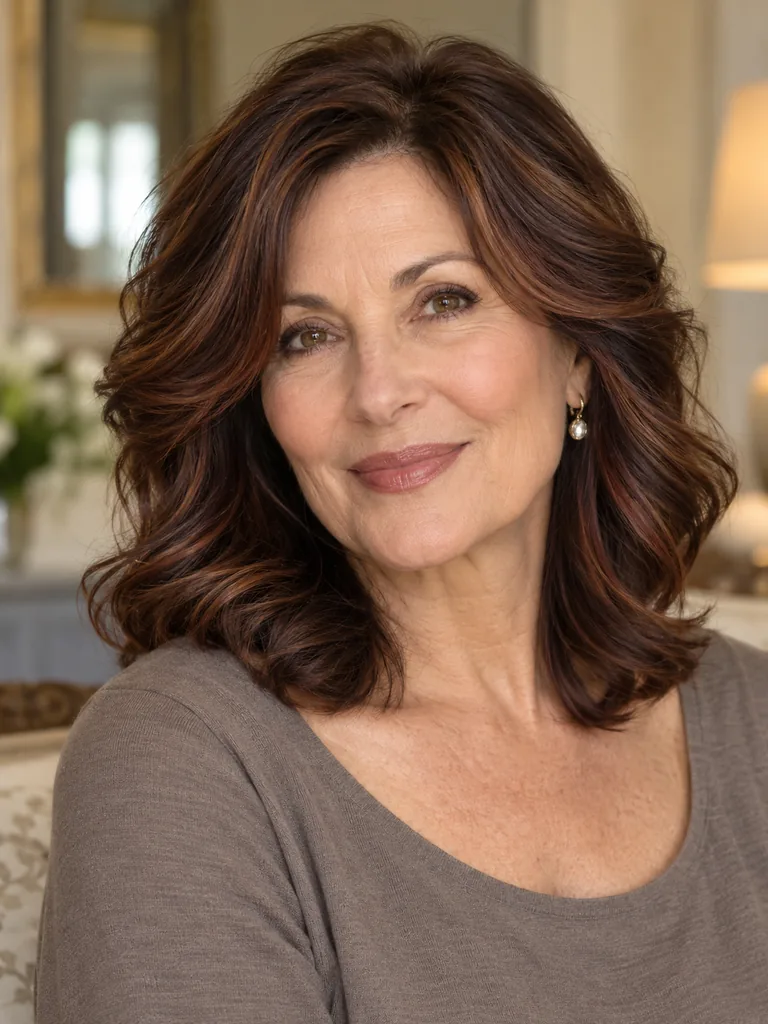
Auburn highlights are deeper and more restrained than copper streaks. Red-brown ribbons woven through medium or dark brunette hair create dimension that is subtle indoors and more noticeable in sunlight. The technique is elegant and particularly useful when you want lower-contrast, wearable red tones.
13. Copper Balayage
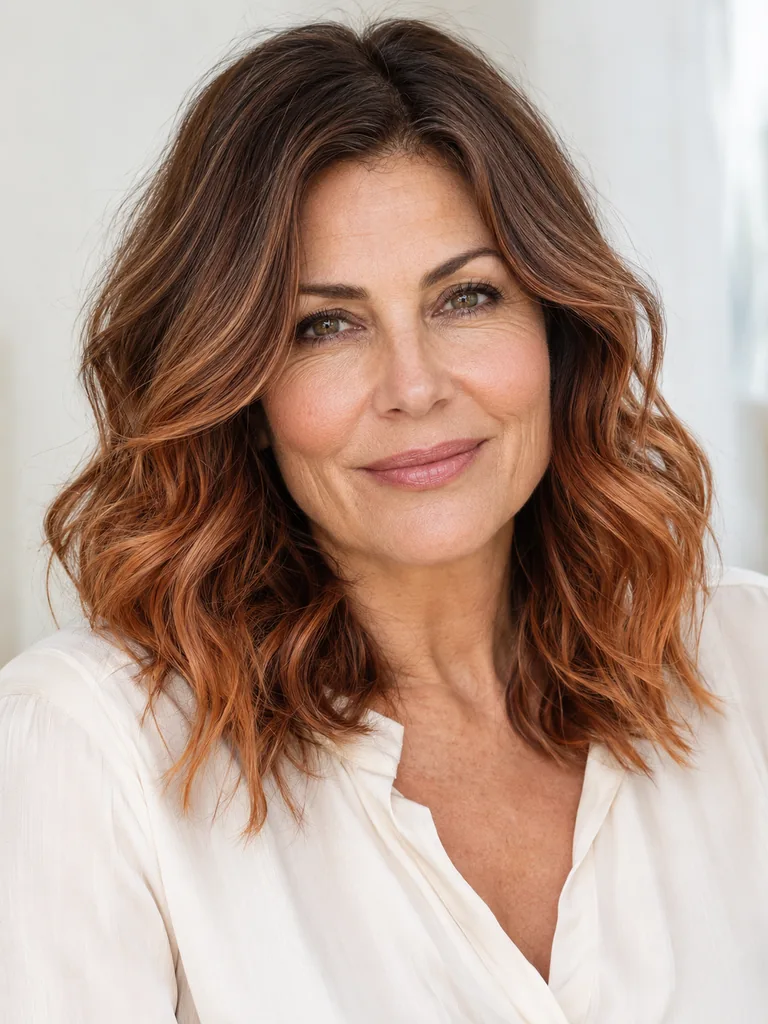
Copper balayage keeps the roots deeper and gradually paints brighter copper through the mid-lengths and ends. This creates a soft, intentional gradient and reduces the appearance of a hard regrowth line. Loose waves make the hand-painted placement and changing copper intensity especially easy to see.
14. Auburn Balayage
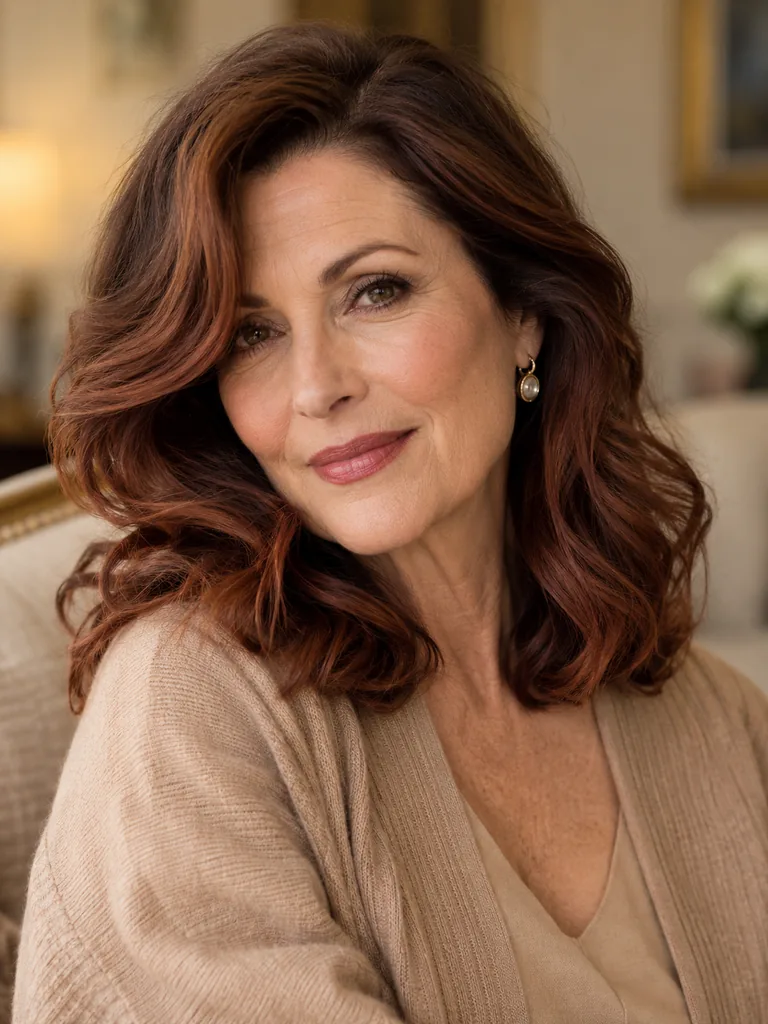
Auburn balayage transitions from deep brunette roots into muted red-brown lengths and ends. It is less orange than copper balayage and therefore feels richer and more understated. The gradual placement adds movement while helping natural roots grow out in a softer, more forgiving way.
15. Copper Face-Framing Highlights
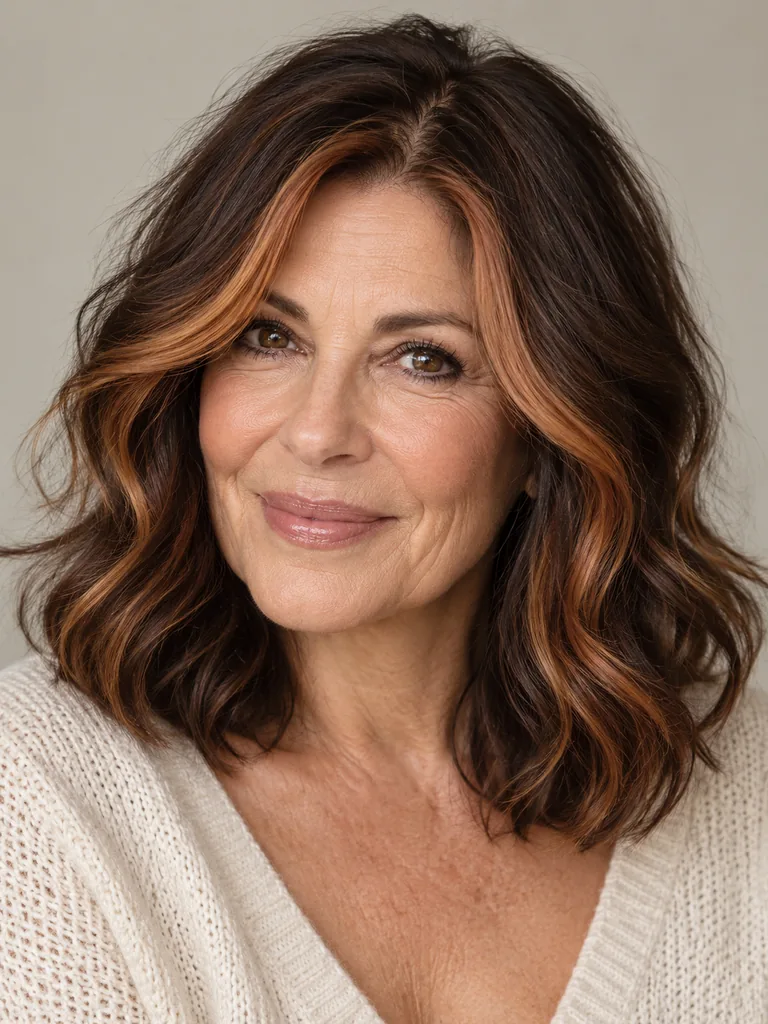
Copper face-framing highlights concentrate brighter warmth around the hairline and cheekbones while most of the hair stays brunette. This placement draws attention toward the eyes and can illuminate the complexion. Keeping the rest of the highlights subtle makes the front pieces the clear focal point.
16. Red-Brown Balayage
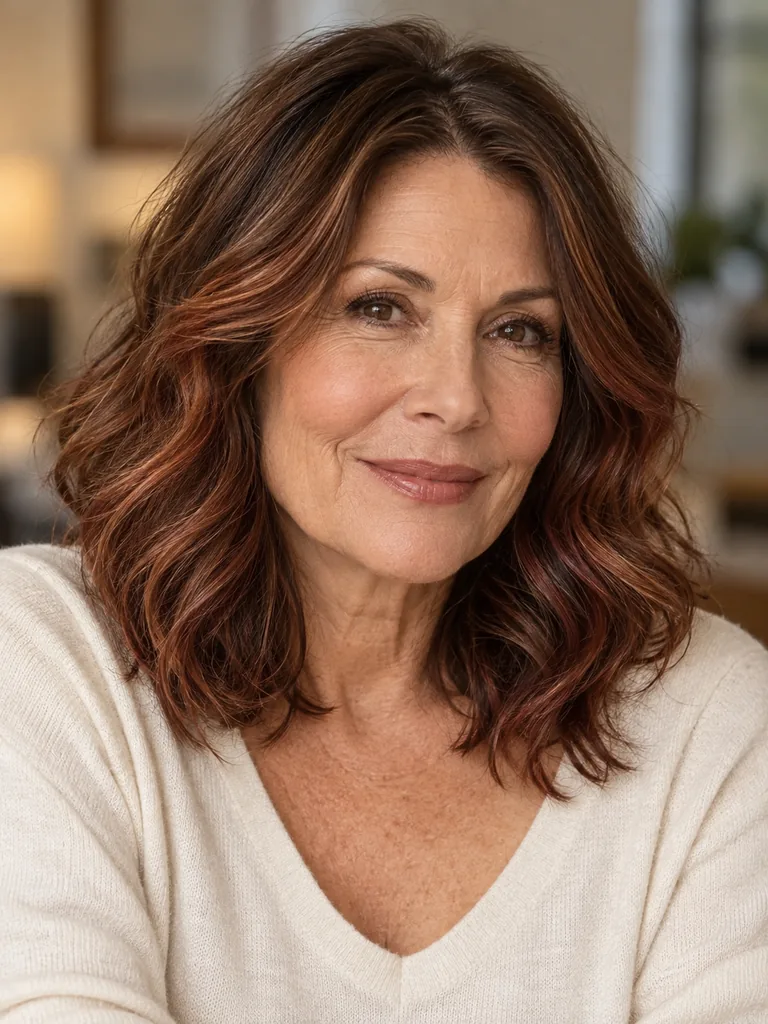
Red-brown balayage blends chocolate or medium brown roots into muted earthy red through the lower lengths. It avoids both bright orange copper and cool purple burgundy, creating a natural-looking brunette-to-red transition. This is a versatile choice for a sophisticated, lower-maintenance color update.
17. Mahogany Red
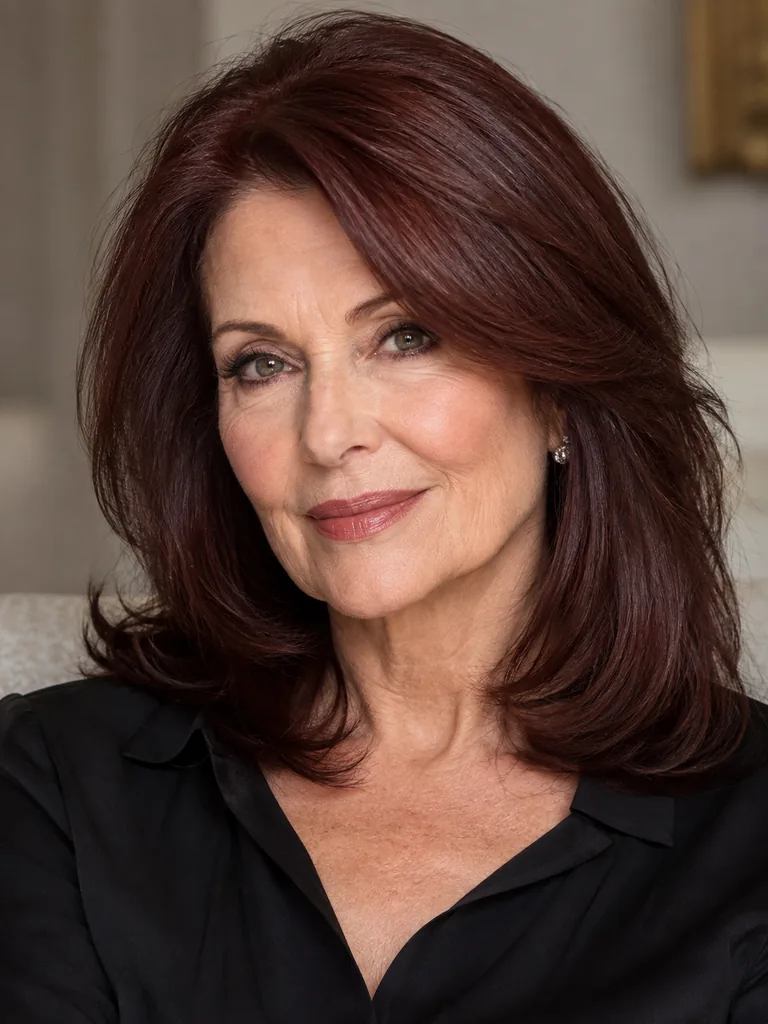
Mahogany red is a deep red-brown shade with a subtle cool violet influence. It appears richer and cooler than auburn and contains none of copper’s orange brightness. A smooth blowout or polished waves help reveal the dark red-violet sheen and give the color an elegant, glossy finish.
18. Mahogany Brown
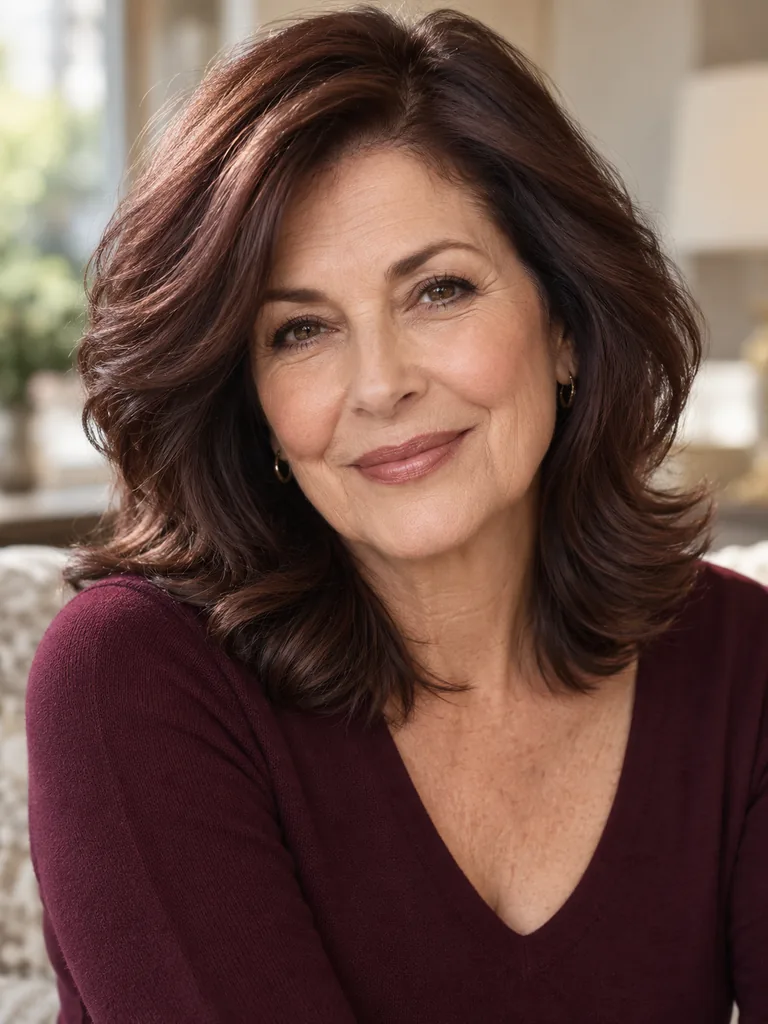
Mahogany brown is brunette first and red second. Deep brown remains dominant while restrained red-violet undertones appear where the light hits. This makes it a refined choice for anyone who wants extra richness and dimension without looking obviously red-haired in every type of lighting.
19. Burgundy Red
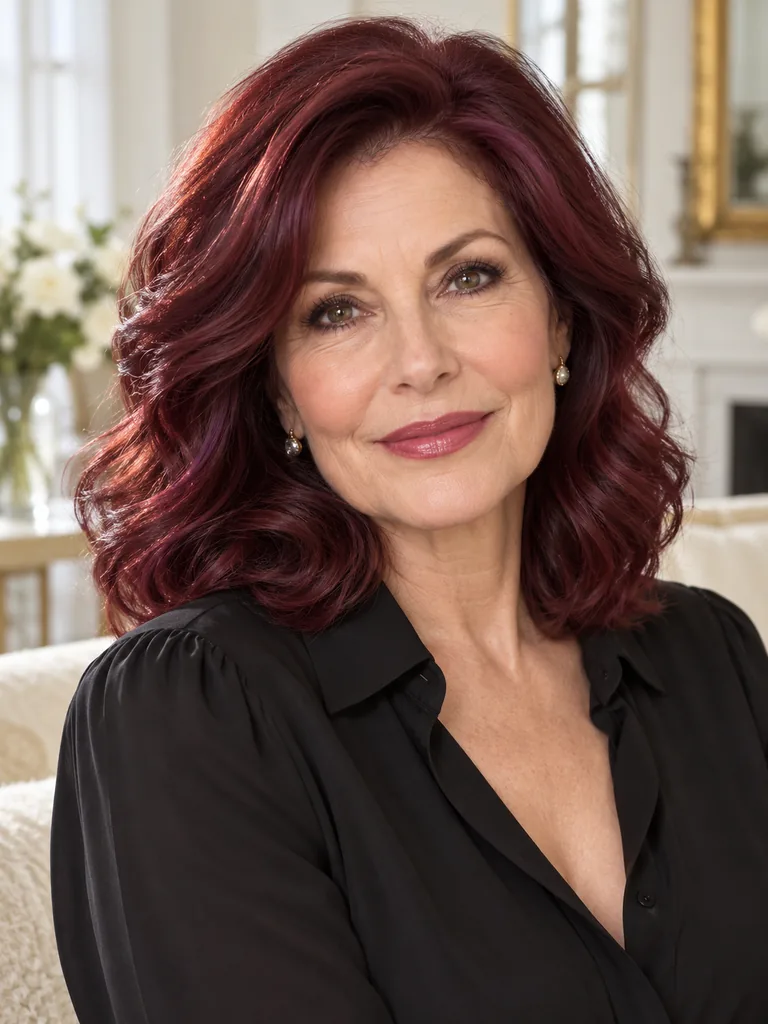
Burgundy red combines deep wine-red with subtle cool violet undertones for a dramatic but sophisticated finish. Keeping the shade glossy and pairing it with a brighter neutral background prevents the overall look from feeling too heavy. It is especially striking on softly waved, shoulder-length hair.
20. Soft Burgundy Brown
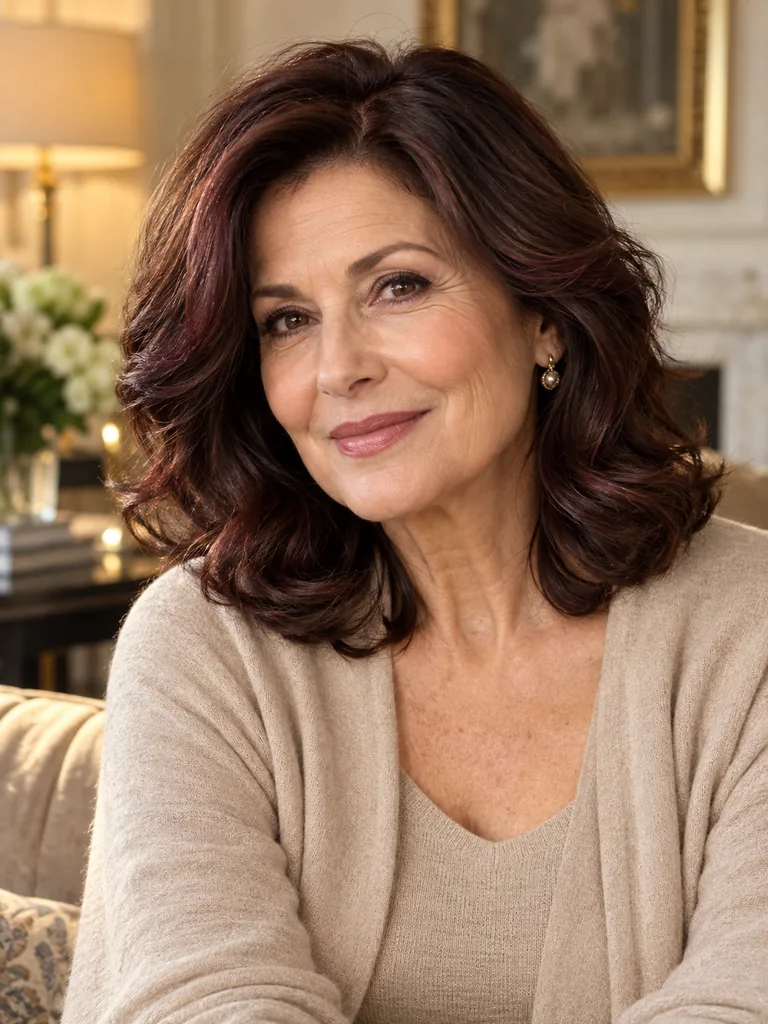
Soft burgundy brown tones down classic burgundy with considerably more brunette. The hair should read as deep brown first, with wine-red reflections appearing mainly on the outer layers and in brighter light. This makes it one of the most wearable options for women who prefer darker shades.
21. Cherry Brown
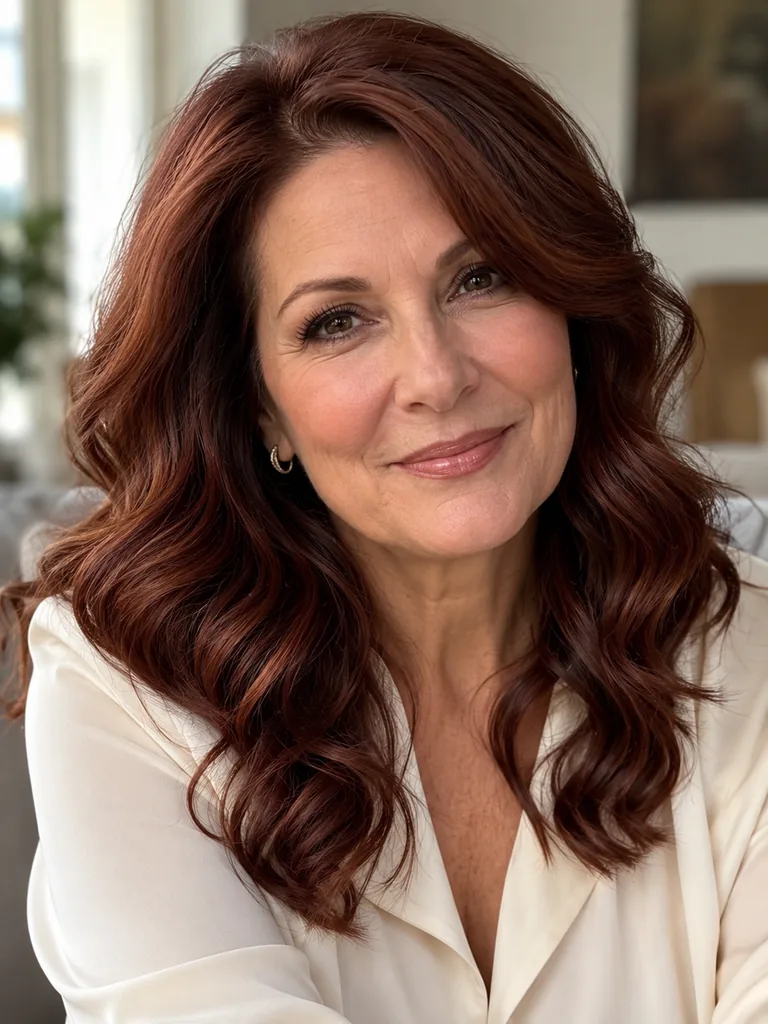
Cherry brown starts with a rich medium-to-dark brunette foundation and adds deep cherry-red warmth. It is warmer and redder than mahogany but less purple than burgundy. Glossy curls or waves reveal the cherry reflections while keeping enough brown visible for a natural, dimensional result.
22. Dark Cherry Red
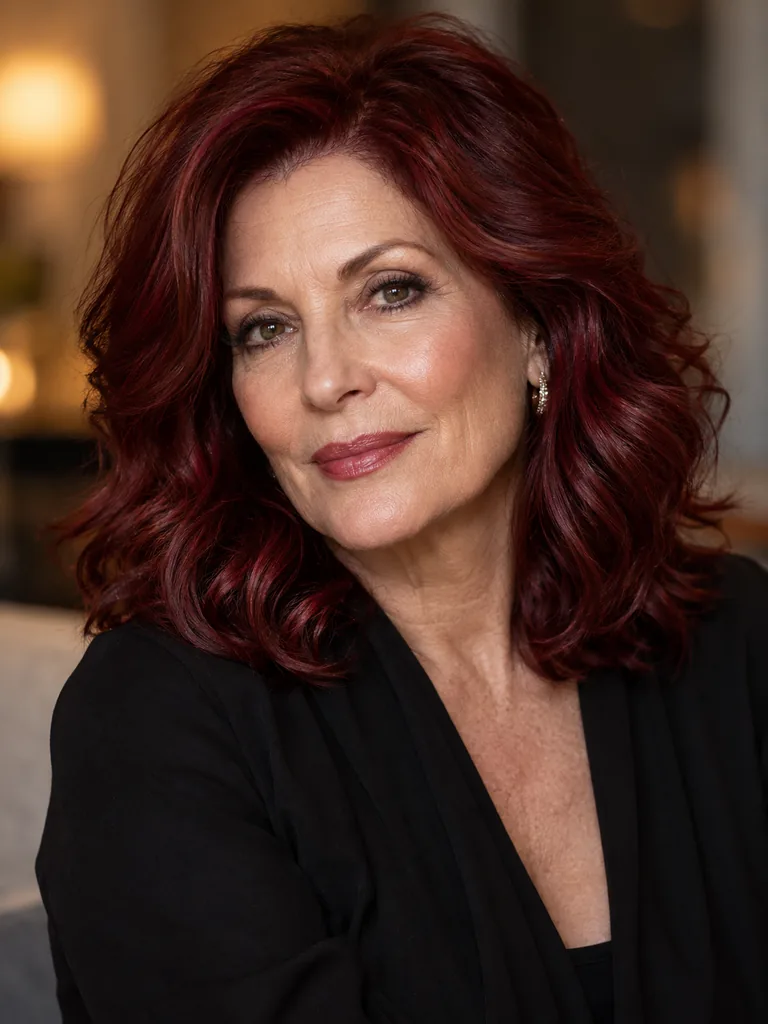
Dark cherry red intensifies the cherry tone while retaining deep brunette depth underneath. The result resembles ripe dark cherries rather than purple burgundy or bright scarlet. It works well when you want an obvious red shade that still feels polished and sophisticated rather than vivid or neon.
23. Cranberry Red
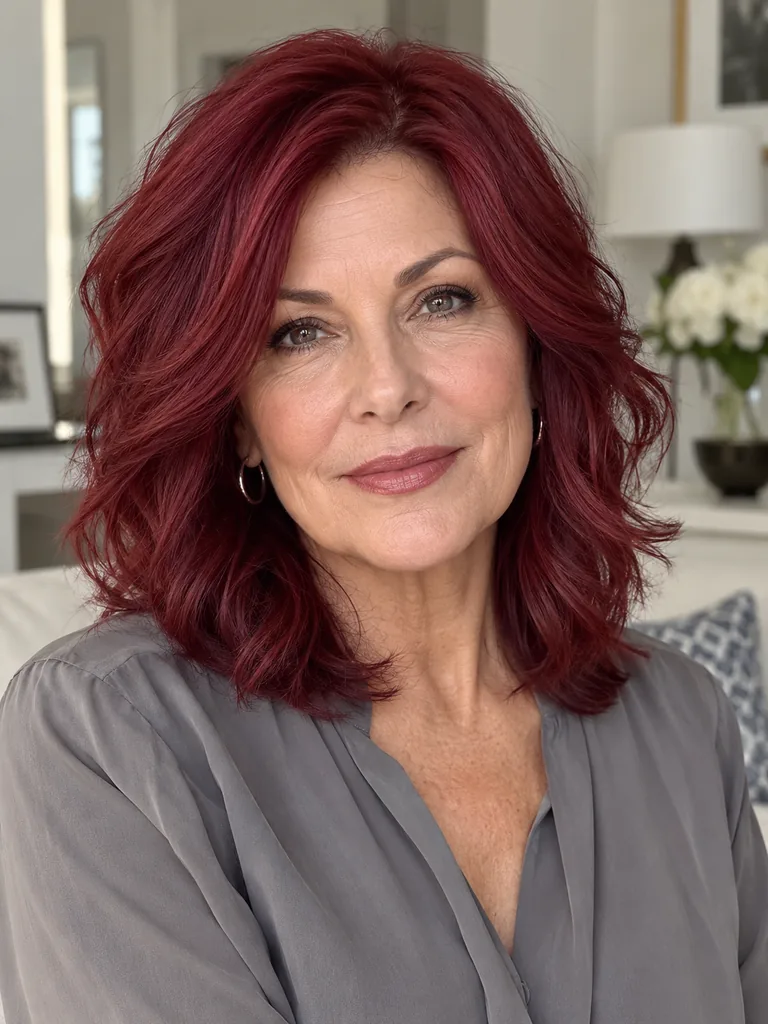
Cranberry red is a cooler crimson-based red with a restrained berry influence. It should look brighter than burgundy but less magenta than many fashion reds. Soft layered waves help the color reflect light while keeping the overall effect elegant, modern, and clearly different from warm copper.
24. Rosewood Red
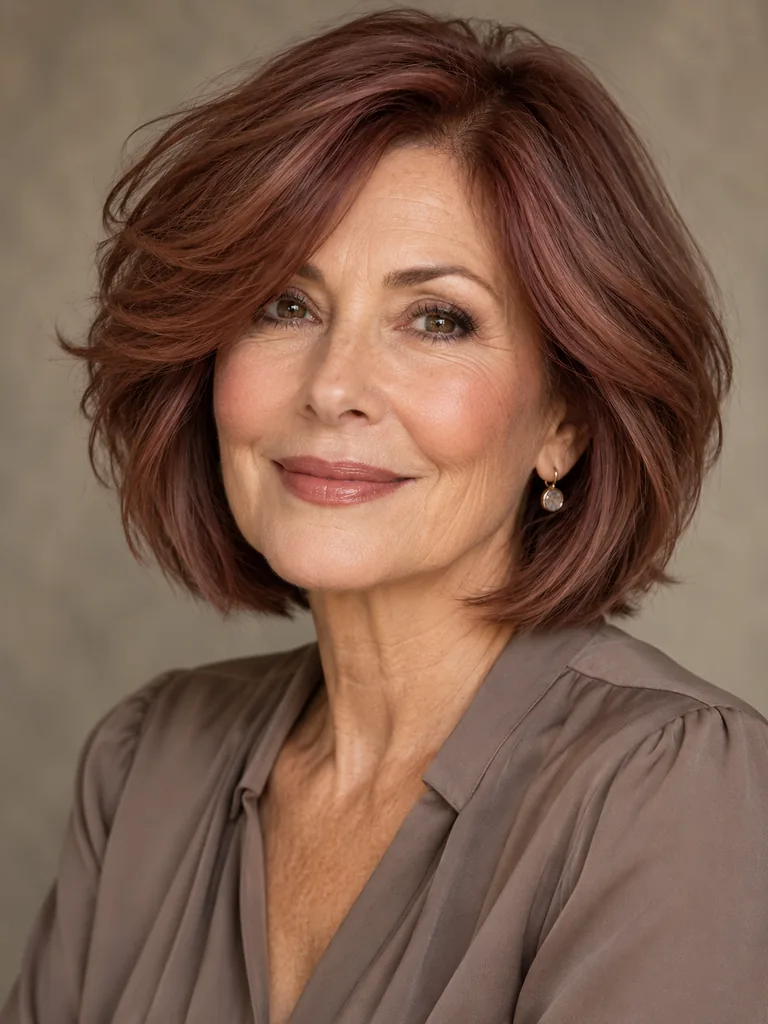
Rosewood red blends medium brown with muted dusty rose and soft red undertones. The result is rosy and modern without becoming pink. Its earthy brown foundation keeps the shade sophisticated, making it a distinctive alternative to both classic auburn and cooler violet-based mahogany.
25. Wine Red
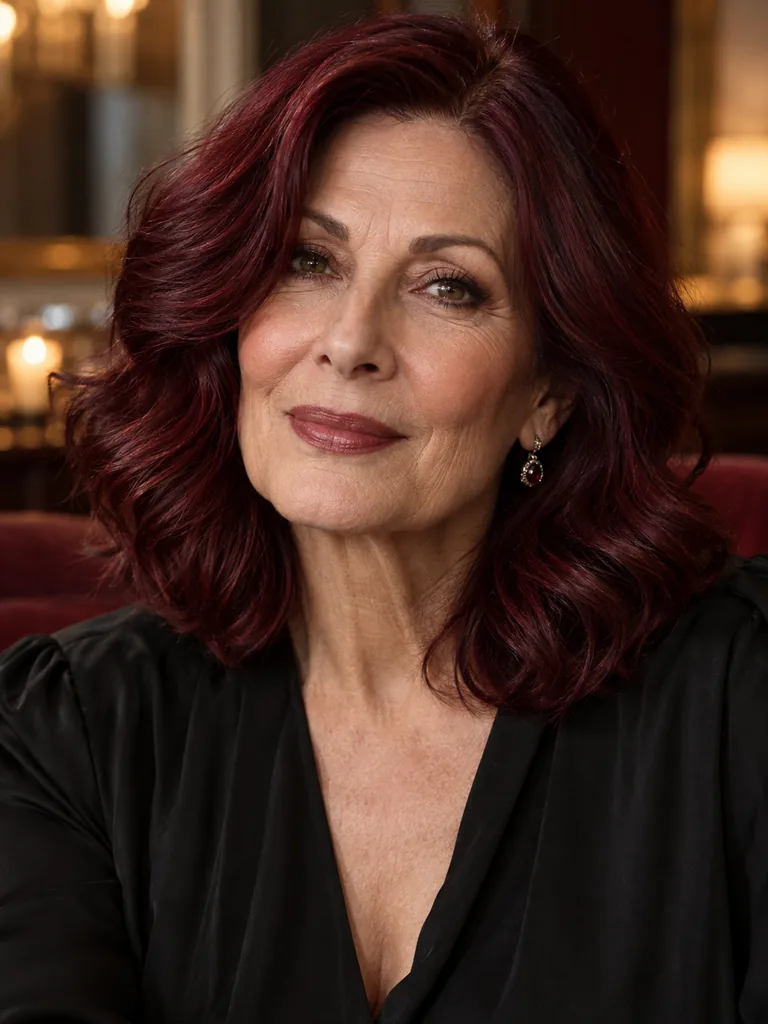
Wine red is a dark, moody mix of red, burgundy, and a subtle plum undertone. It is deeper than cranberry and slightly more plum-influenced than standard burgundy. A glossy finish is important because reflected light keeps this sophisticated shade dimensional rather than overly dense or flat.
26. Ruby Red
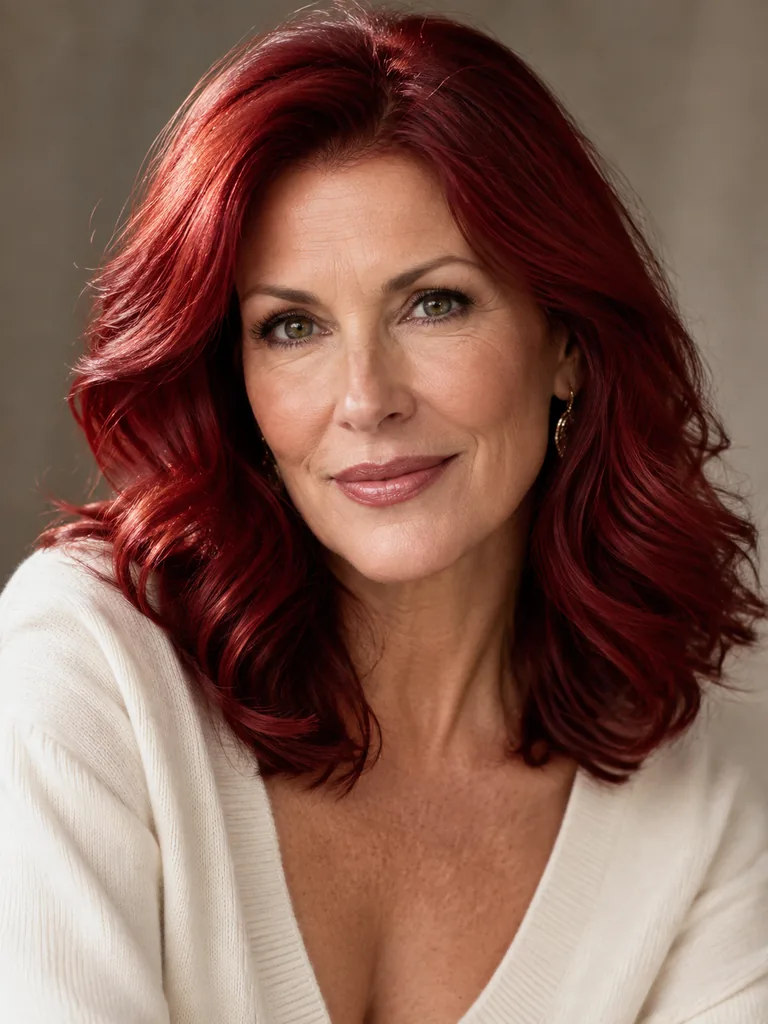
Ruby red is a jewel-toned true red with enough depth to remain sophisticated. Unlike copper it does not lean orange, and unlike burgundy it should not appear purple. The result is a confident, clearly red shade that looks especially polished when the haircut and styling are kept simple.
27. Muted Red Velvet
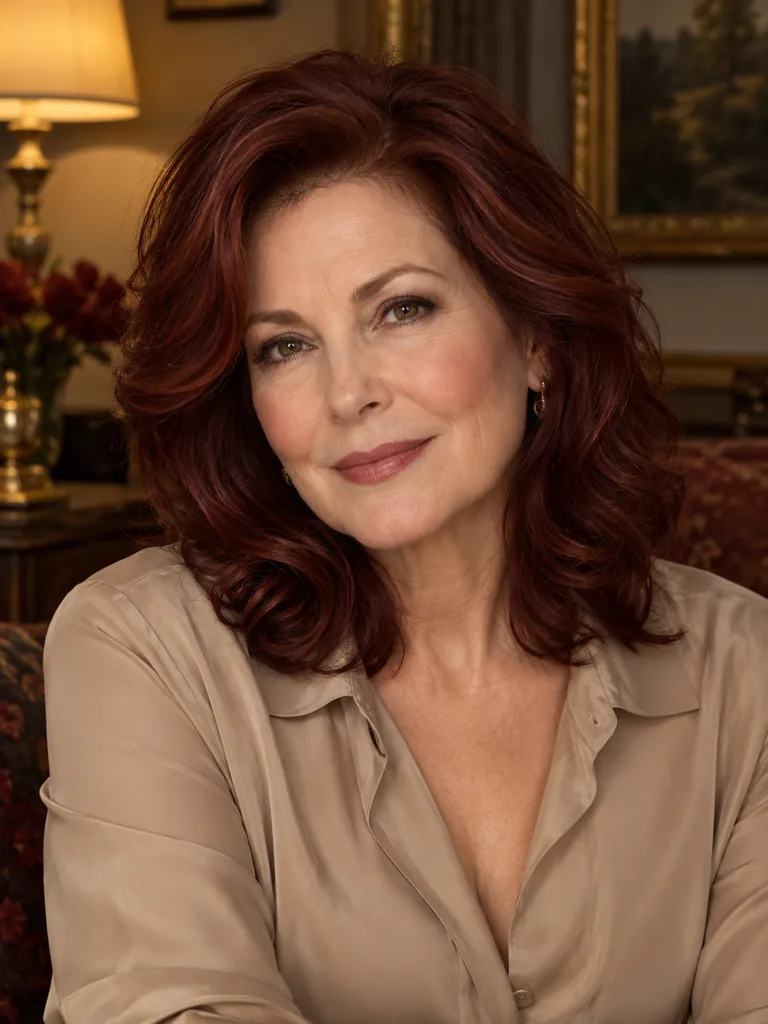
Muted red velvet combines deep red with substantial warm brown, producing a plush, velvety effect rather than bright scarlet intensity. The brown softens the shade and makes it more wearable, while gentle waves add richness by showing both the deeper shadows and softer red reflections.
28. Chocolate Cherry
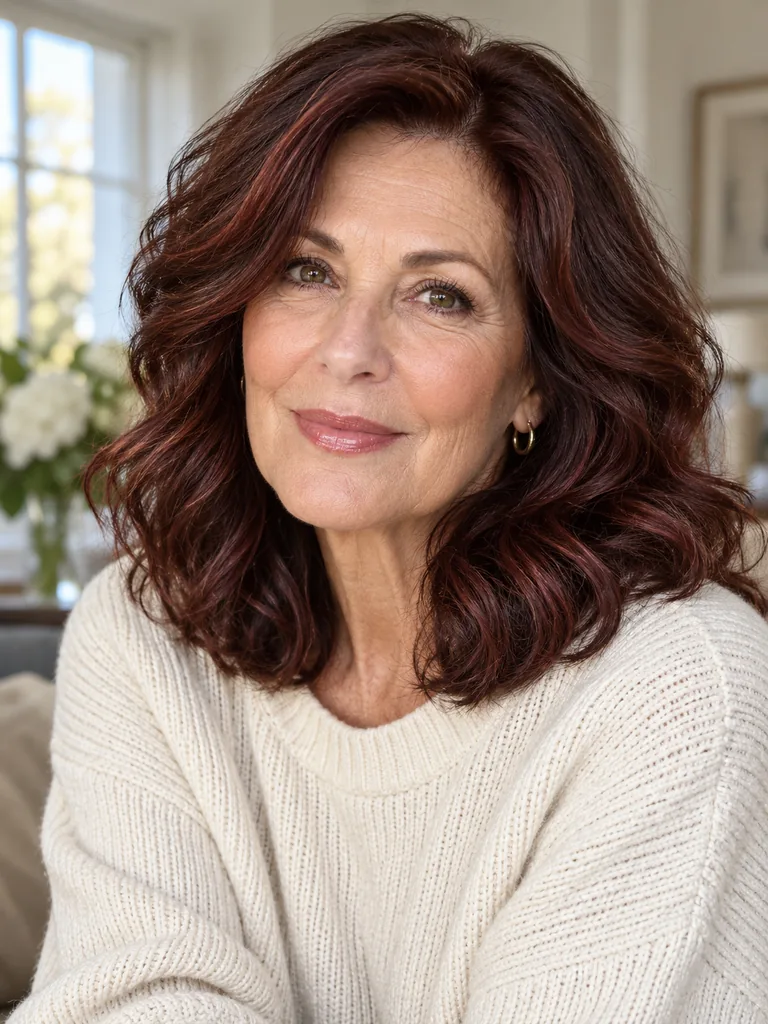
Chocolate cherry keeps dark chocolate brown dominant and introduces subtle cherry-red through the mid-lengths and ends. The color should still read primarily as brunette, with red emerging in movement and light. This combination adds depth and can visually make fine hair appear fuller and more dimensional.
29. Chestnut Red
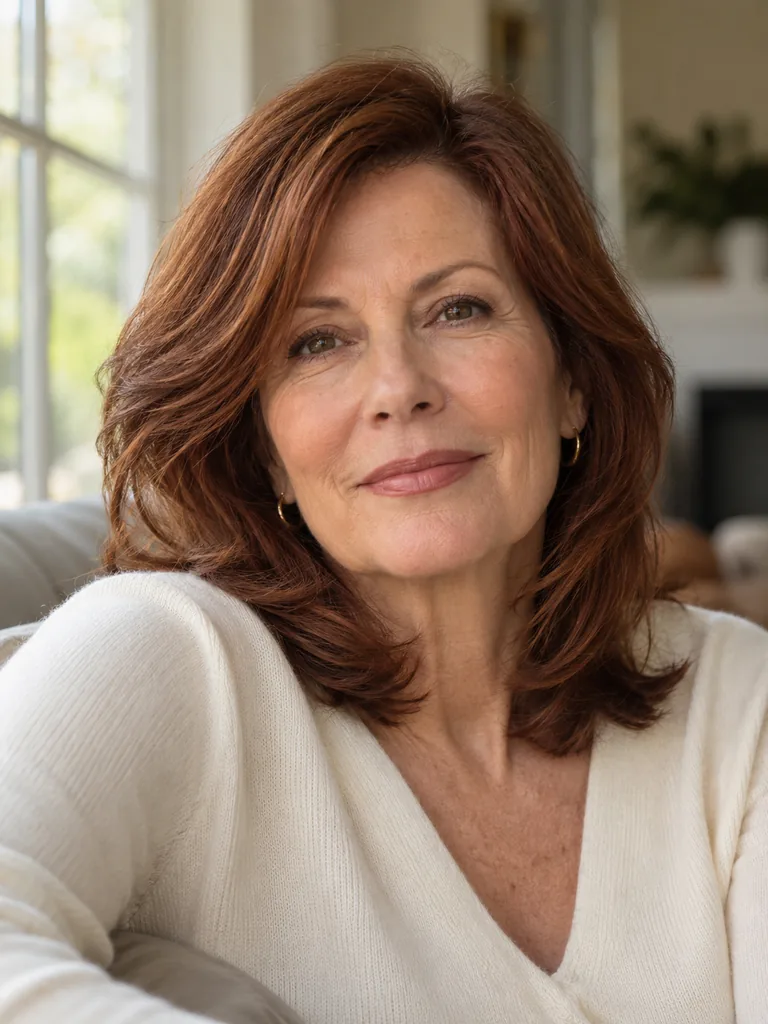
Chestnut red is an earthy medium brown warmed with restrained reddish undertones. It is one of the most natural-looking options in this list because it is less red than auburn and less orange than copper. The balanced warmth works beautifully with smooth layers and classic blowouts.
30. Russet Red
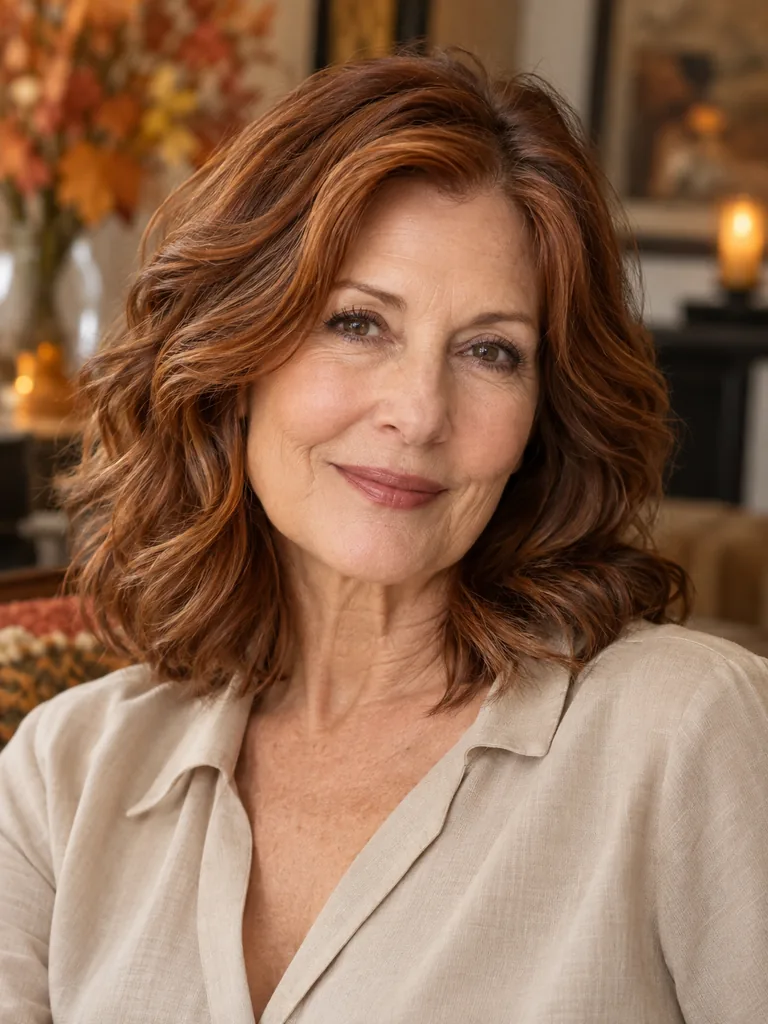
Russet red mixes reddish brown, muted copper, and warm earthy brown, creating a shade inspired by autumn leaves. It feels toasted and natural rather than bright. Layered waves are ideal for showing the different tones because the color shifts subtly between brown, red, and subdued copper.
31. Burnt Copper
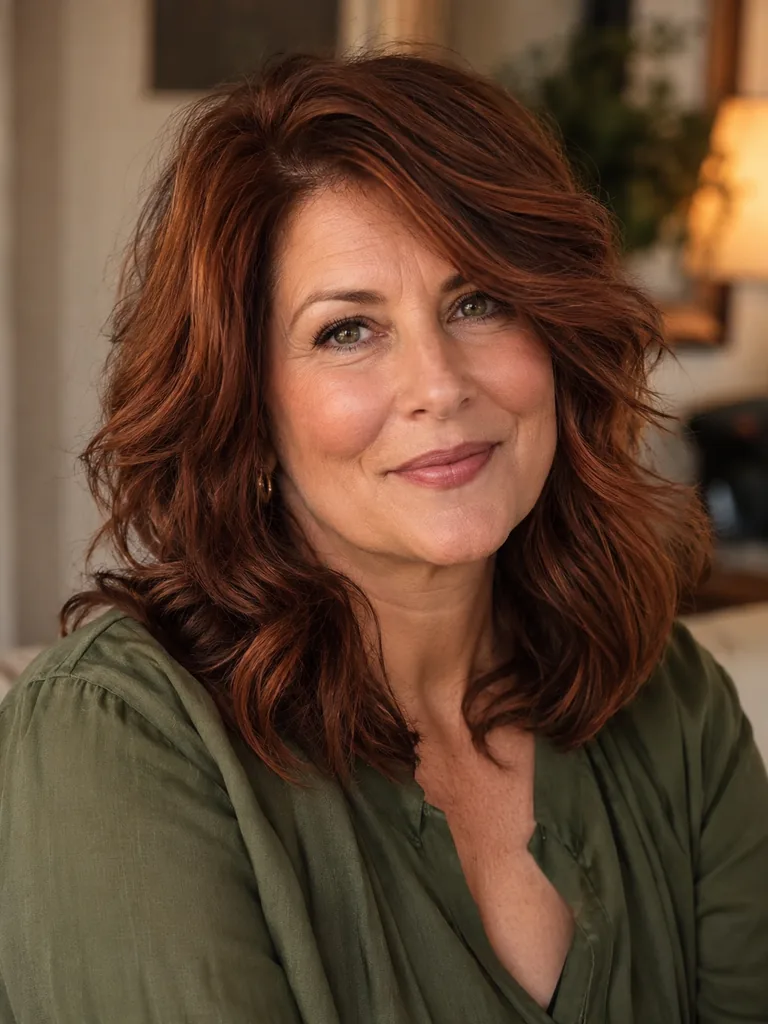
Burnt copper is a darker, smokier interpretation of classic copper. It blends toasted orange-red with warm brown and muted rust, preserving a copper identity while reducing brightness. This earthy depth makes it a sophisticated choice when standard copper feels too vivid for your personal style.
32. Terracotta Red
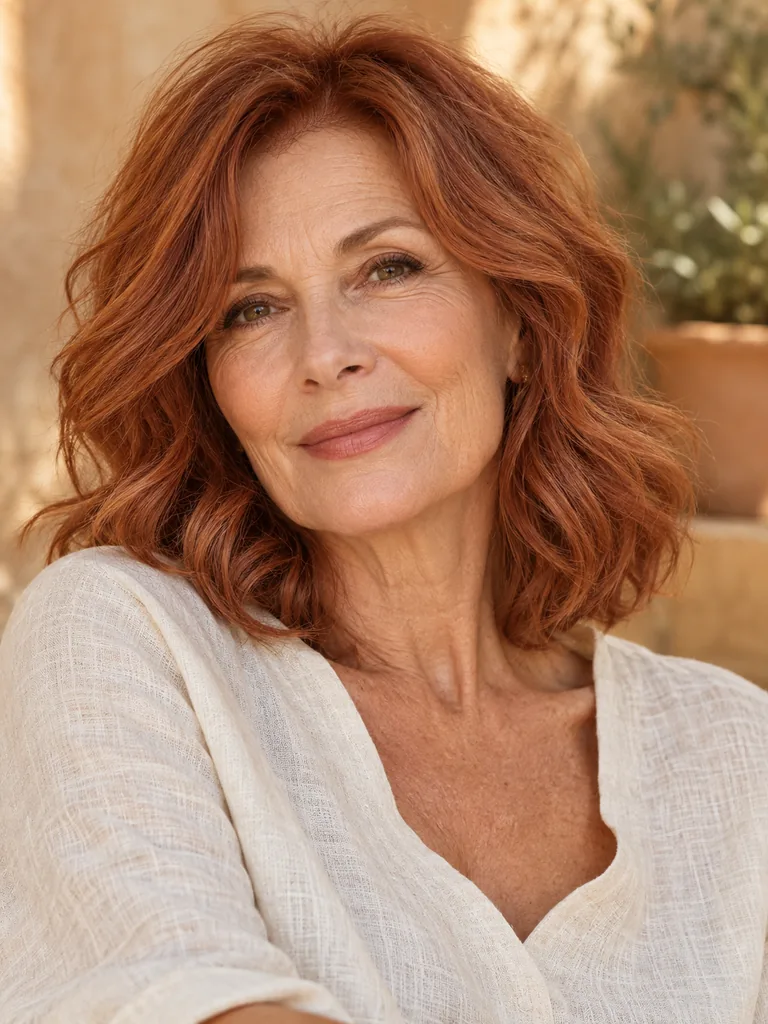
Terracotta red resembles natural clay, combining muted brick red, burnt orange, and soft brown. It should look earthy and gently matte rather than metallic or intensely glossy. The restrained warmth makes the shade distinctive while remaining wearable, especially with relaxed shoulder-length waves and natural texture.
33. Spiced Copper
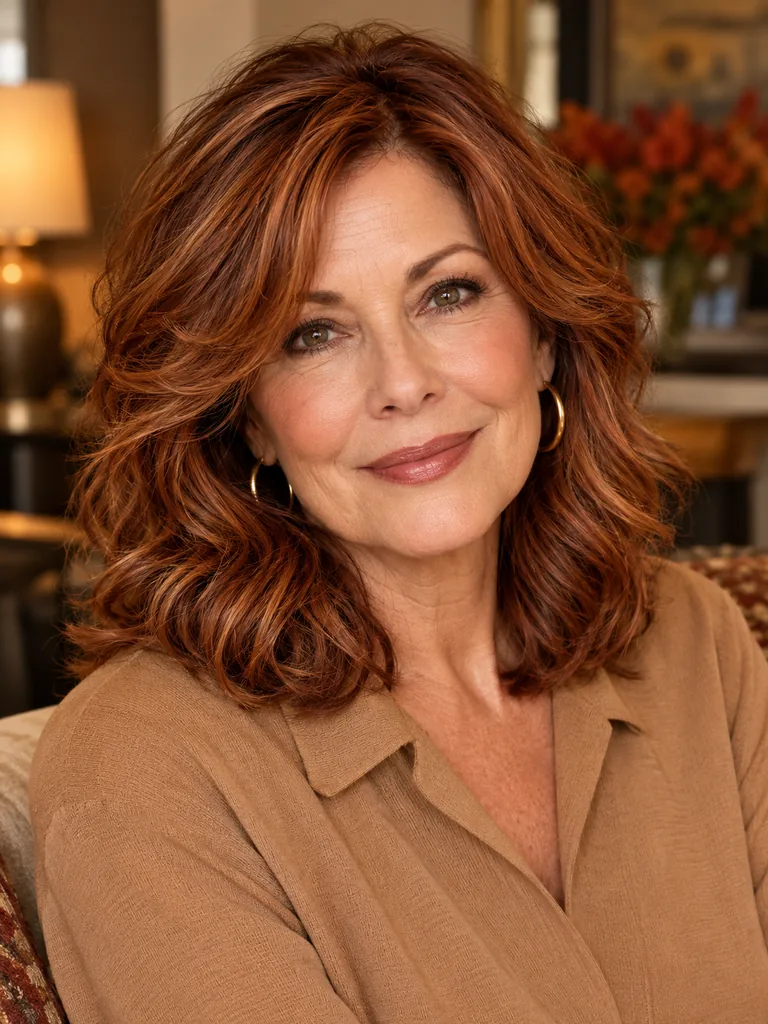
Spiced copper starts with copper and layers in cinnamon brown, amber, and warm red undertones. The additional tones make it richer and more complex than straightforward orange-red hair. On layered waves, the color appears multidimensional and changes subtly as different sections catch the light.
34. Amber Red
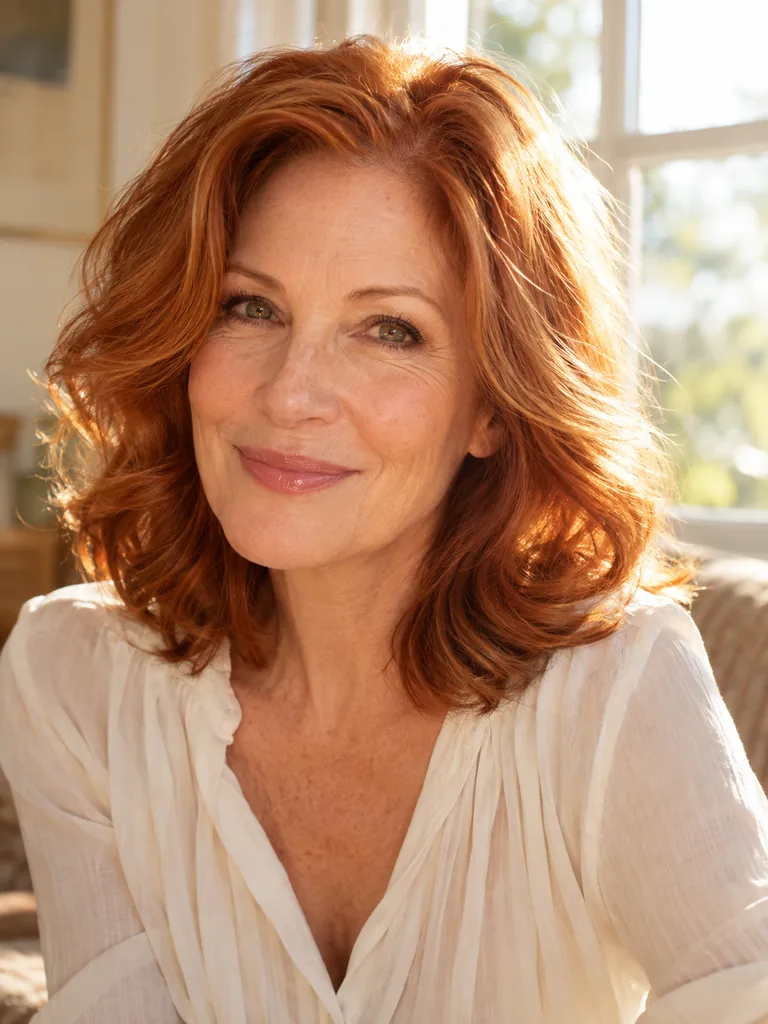
Amber red combines a warm red base with golden amber and honey-copper light. It should glow golden-red in sunlight while retaining more reddish depth than golden copper. The translucent-looking warmth can brighten the complexion and works beautifully with softly curled, shoulder-length hair.
35. Copper Caramel Blend
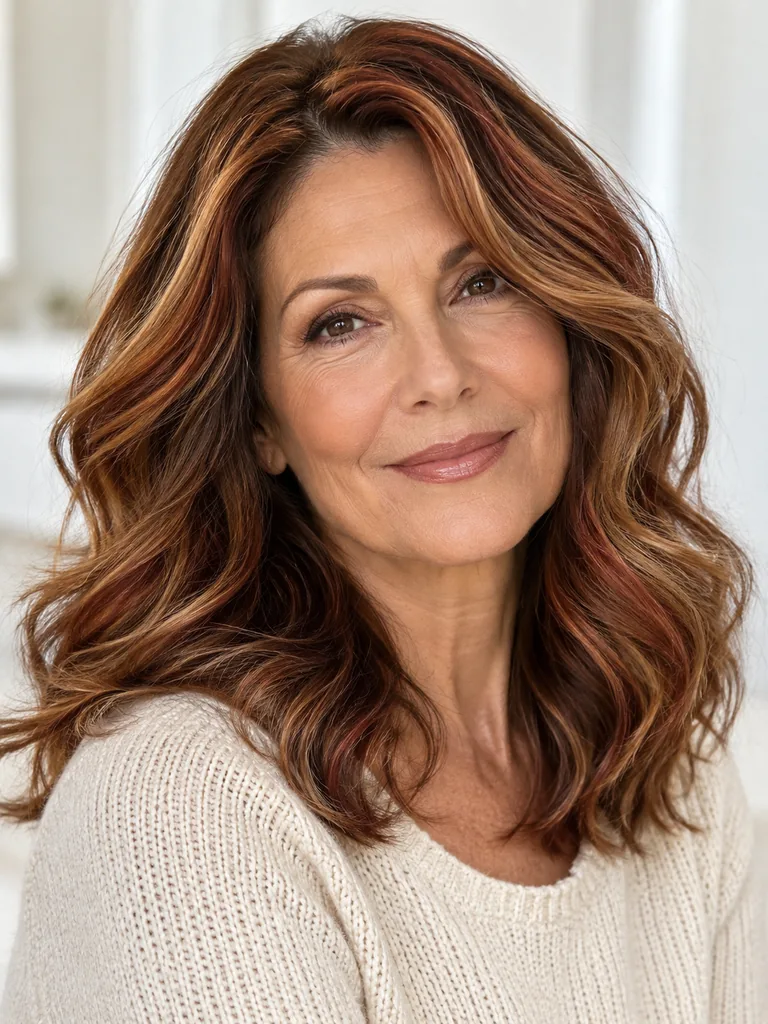
A copper caramel blend keeps medium warm brown as the foundation and adds two distinct accents: copper-red ribbons and golden-brown caramel sections. The caramel should remain brown rather than blonde. Flowing waves help separate the tones so the finished color looks warm, dimensional, and intentionally blended.
36. Copper and Honey Highlights
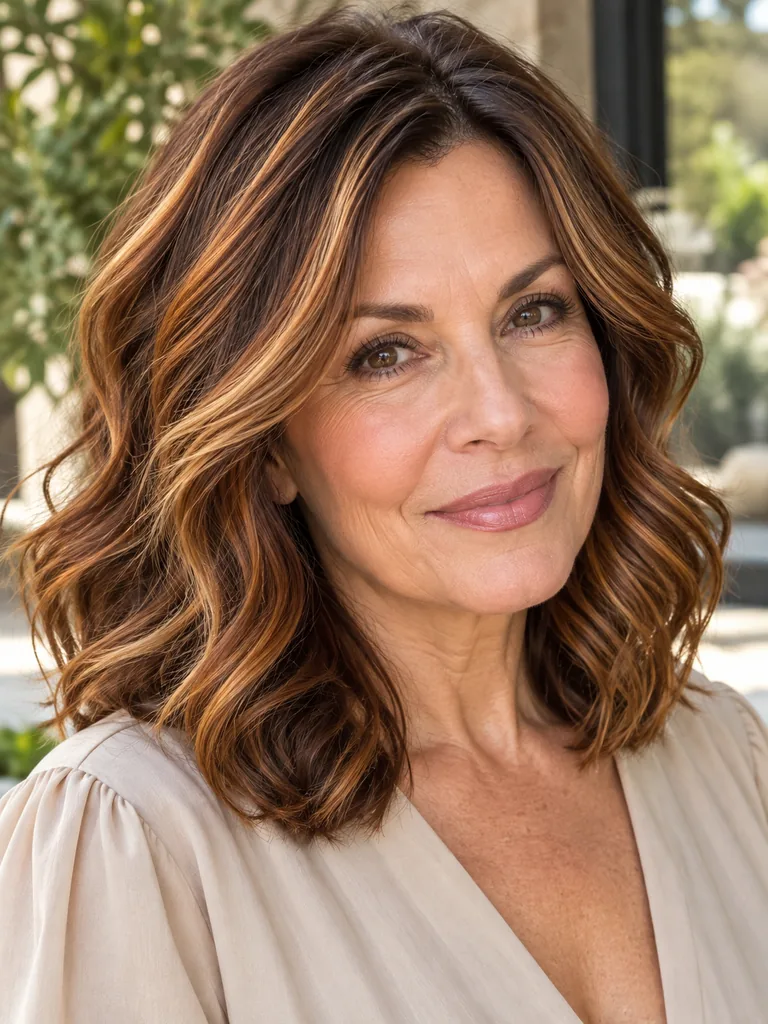
Copper and honey highlights use two clearly different warm tones over a visible brunette base. Copper ribbons provide reddish-orange warmth, while honey pieces add lighter golden brightness. The contrast prevents the hair from looking like one flat shade and gives waves a naturally sunlit, dimensional appearance.
37. Strawberry Copper
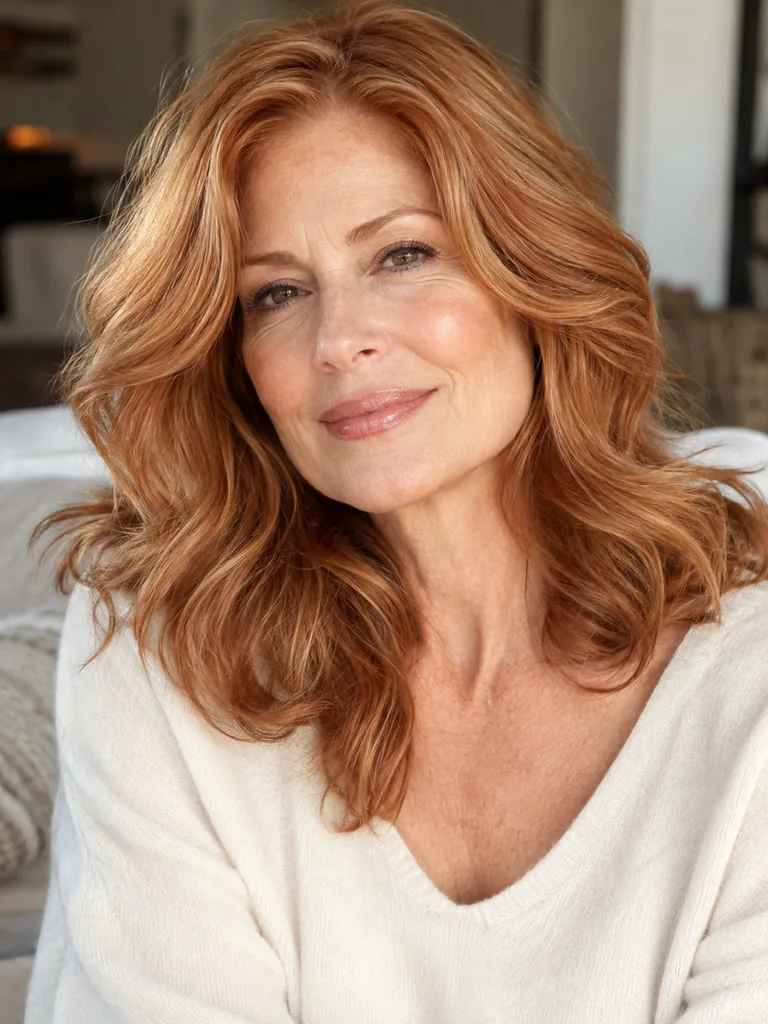
Strawberry copper falls between strawberry blonde and classic copper. A light-to-medium copper base is softened with strawberry-red and subtle golden-blonde undertones, creating a shade that is stronger than strawberry blonde but lighter and gentler than traditional copper. Airy waves enhance its fresh, luminous quality.
38. Peachy Copper
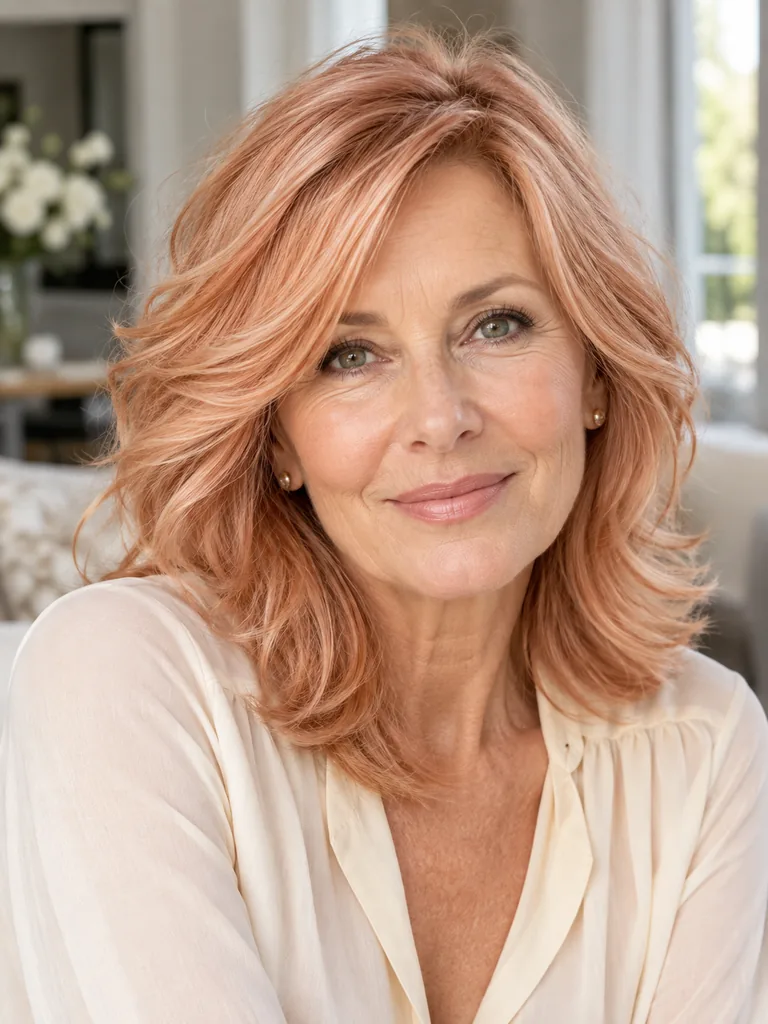
Peachy copper is a light modern copper softened with peach and apricot. It should look pastel-warm rather than strongly red or deep orange. This delicate tone is particularly appealing on lighter starting colors, where it can create a soft contemporary result without overwhelming mature facial features.
39. Soft Apricot Red
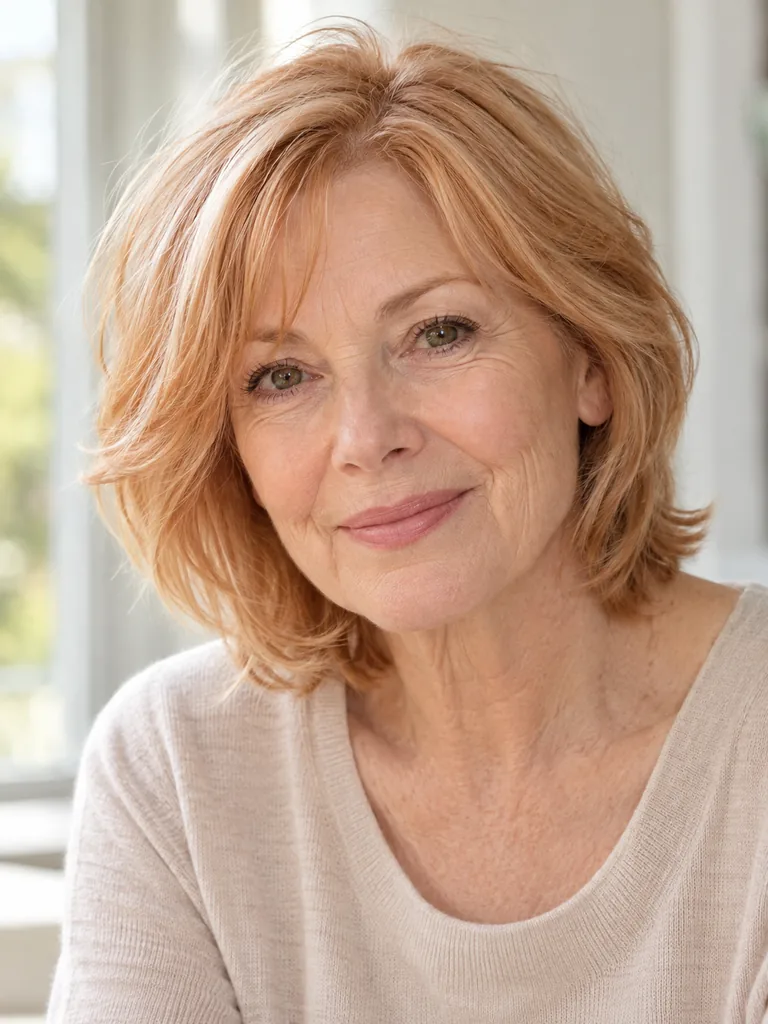
Soft apricot red is one of the palest reds in the collection, combining creamy apricot, golden peach, and only a whisper of copper. The result is gentler than peachy copper and can look especially graceful on light or gray hair when a subtle warm tint is preferred.
40. Red Hair With Blonde Highlights
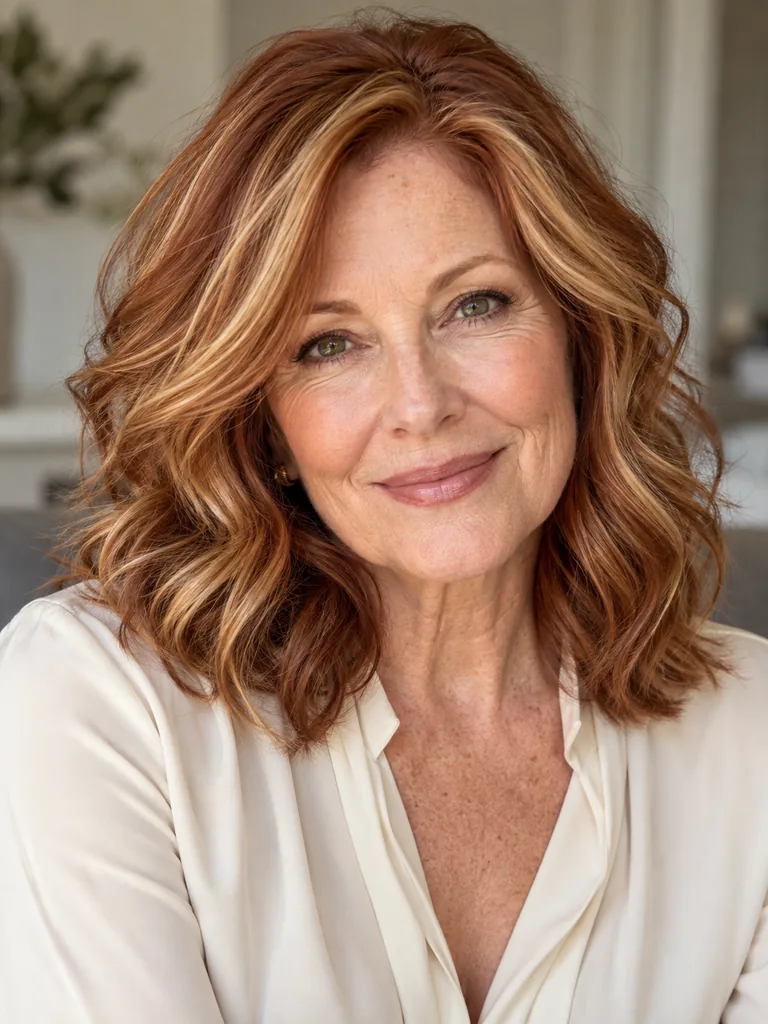
Warm blonde highlights can soften and brighten a red base without taking over the overall color. Golden or honey-blonde ribbons around the face, crown, and upper layers create contrast while keeping red dominant. Avoiding very ashy or platinum pieces helps the combination remain harmonious and warm.
41. Auburn With Caramel Highlights
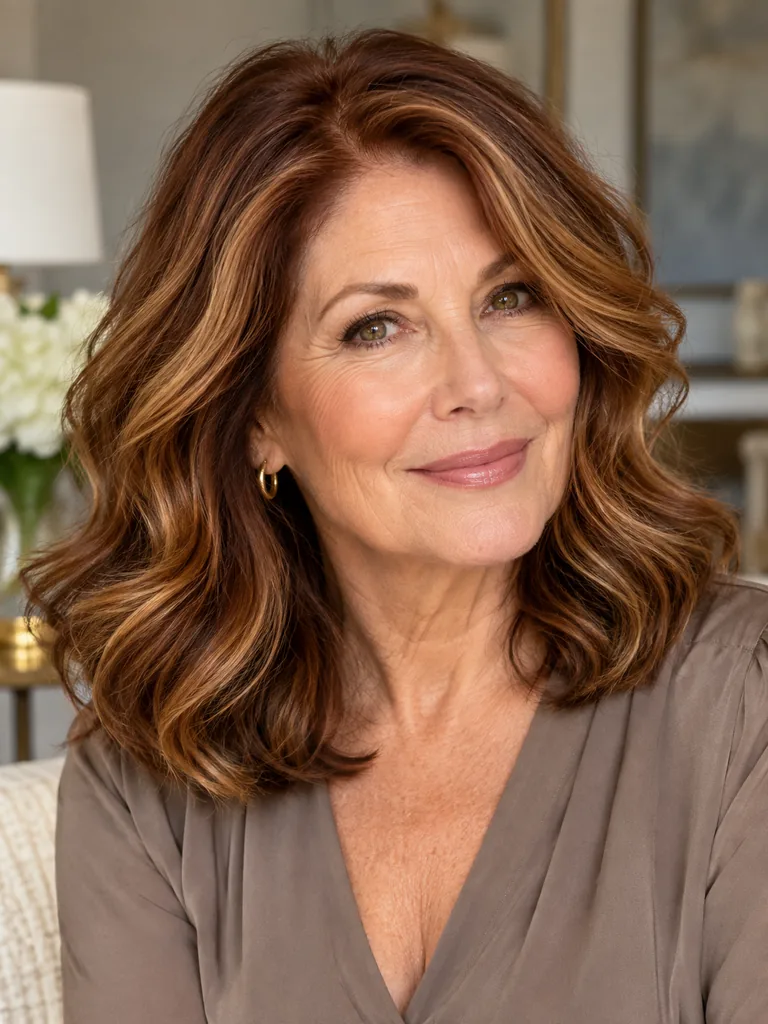
Deep auburn paired with golden-brown caramel highlights creates a rich balance of red-brown depth and lighter warmth. The caramel should be noticeably lighter than the auburn without becoming blonde. Dimensional waves make both shades visible and help prevent the color from appearing too dark or uniform.
42. Copper With Lowlights
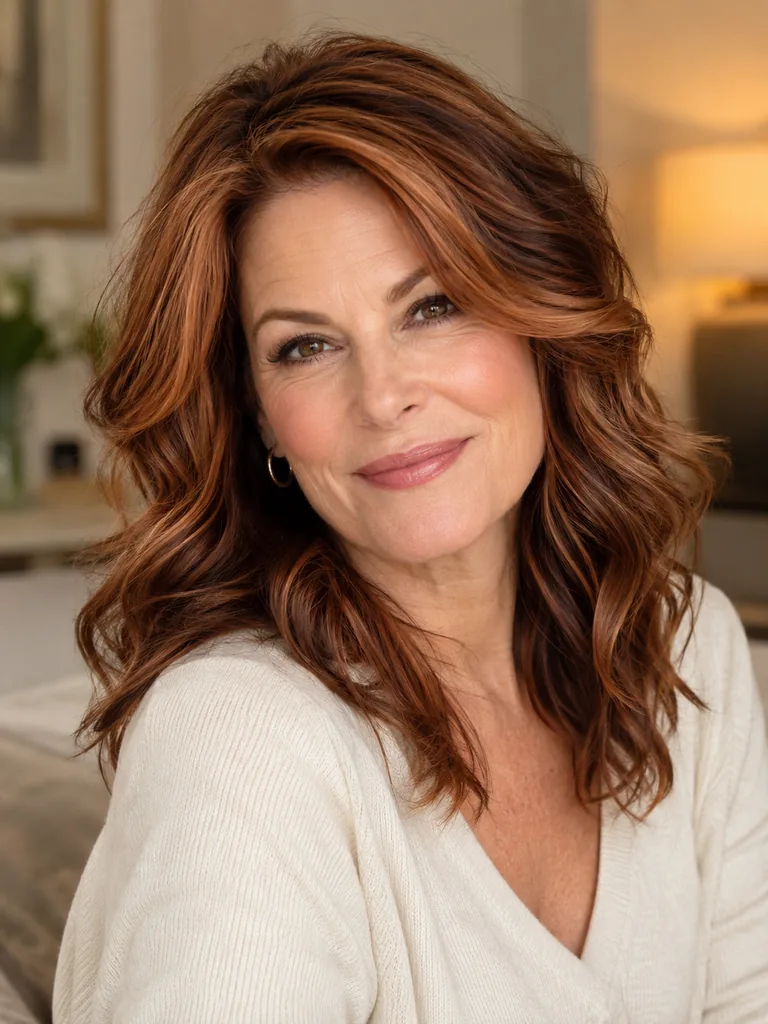
Copper with lowlights uses a vibrant medium copper base and adds darker auburn-brown pieces through the crown, underneath layers, and mid-lengths. Those deeper sections create shadow and visual fullness while allowing copper to remain dominant, making the finished color richer and more dimensional.
43. Red Hair With Natural Gray Blending
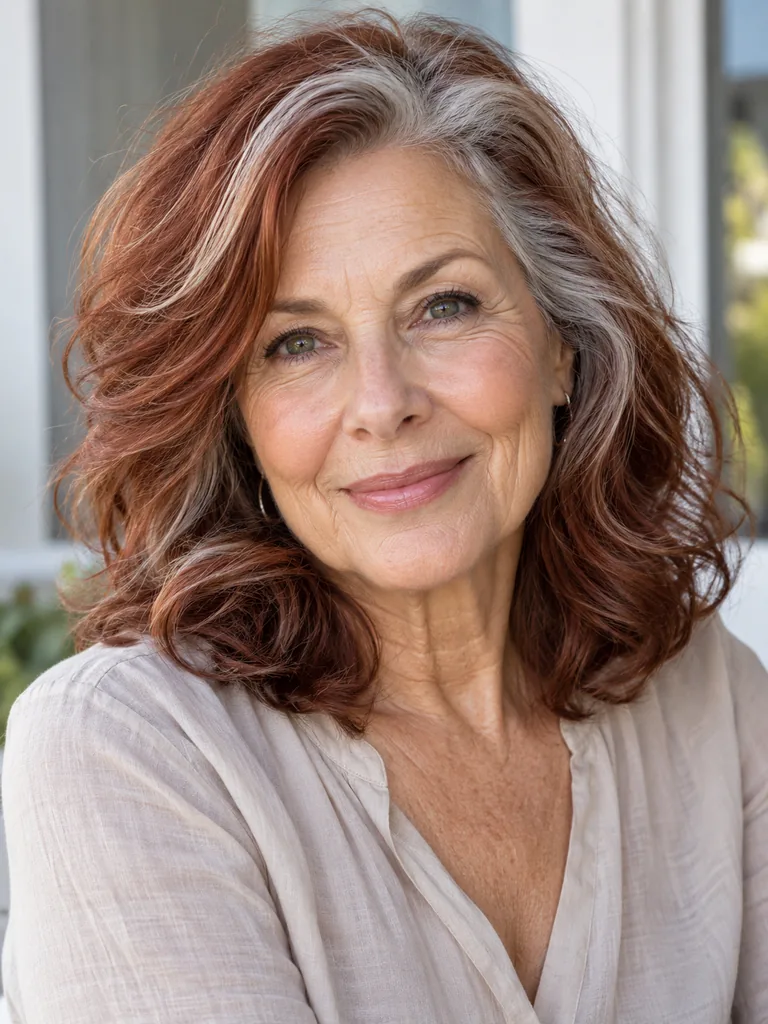
Natural gray does not have to be completely covered when choosing red. Silver strands can remain visible at the roots, temples, and selected sections while muted auburn and soft copper-red are blended through the rest. The contrast creates an intentional, modern transition and softer-looking regrowth.
44. Copper-Gray Blend
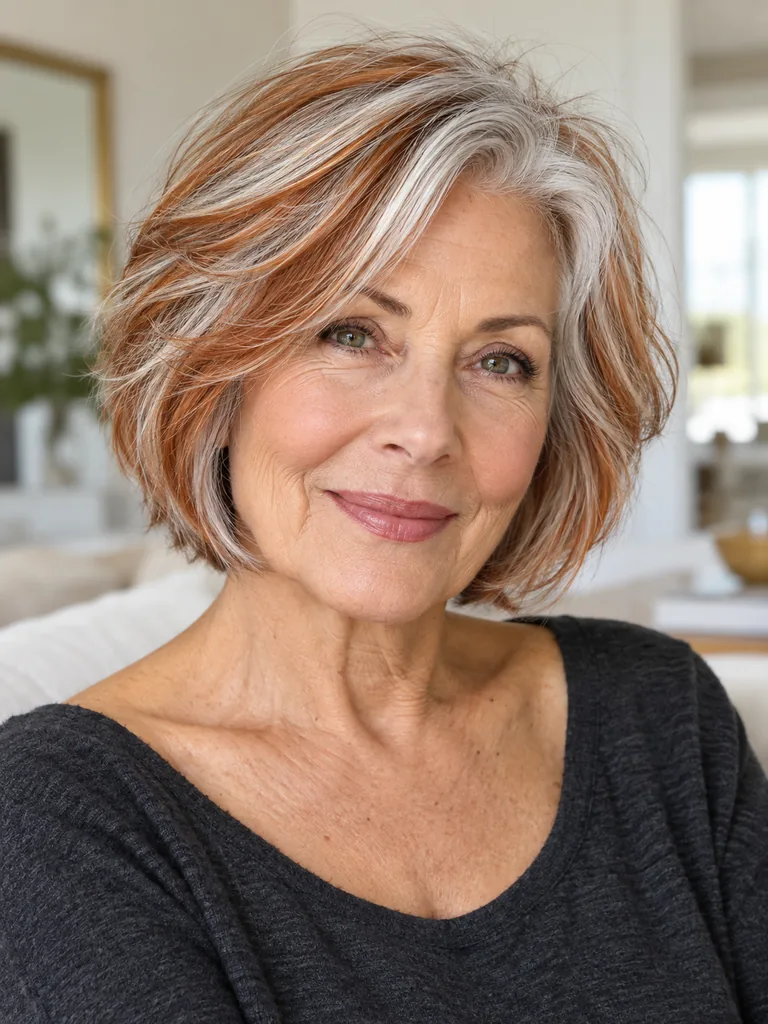
A copper-gray blend gives cool natural silver and warm soft copper roughly equal visual importance. The contrast should be obvious and intentional rather than turning the silver blonde or the copper brown. This combination can look especially striking on a softly layered bob with visible texture.
45. Soft Auburn With Silver Highlights
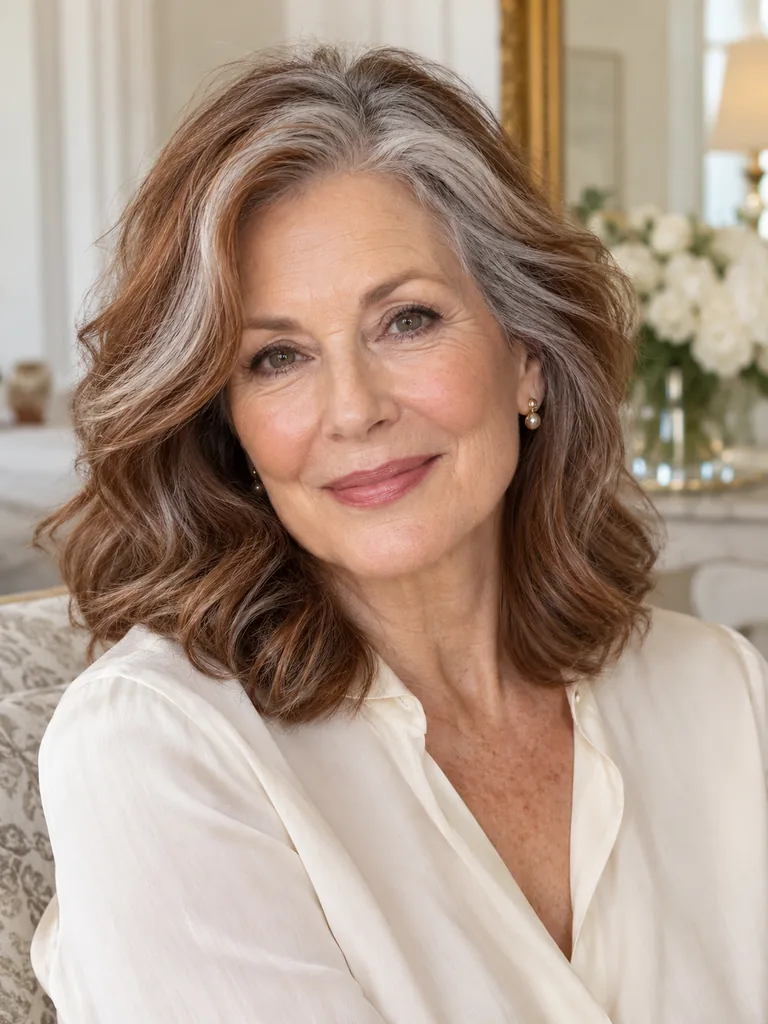
Soft auburn with silver highlights keeps muted red-brown as the main color while allowing cool silver pieces to remain visible through the front, temples, crown, and selected lengths. The combination offers richness without hiding natural gray, creating a sophisticated result that can grow out more gracefully.
How to Choose the Best Red Hair Color After 50
Your skin undertone is a useful starting point. Warm complexions often harmonize beautifully with copper, ginger, golden copper, amber, cinnamon, and strawberry-based reds. Cooler complexions may feel more balanced with burgundy, cranberry, cherry, ruby, wine, or rosewood. Neutral undertones usually have the most flexibility and can often wear shades from both groups.
Your starting hair color also affects what will look natural and how much processing may be required. Light blonde, white, and gray hair can transition more easily into strawberry blonde, apricot, light copper, or peachy copper. Medium brunettes often suit auburn, chestnut, copper brown, and mahogany, while darker bases are naturally compatible with cherry, burgundy, wine, and chocolate-red families.
Gray percentage matters because gray hair can absorb and reflect color differently from naturally pigmented strands. Full coverage is not always necessary. Gray blending, silver highlights, or strategically placed copper and auburn can create a softer grow-out and preserve natural brightness around the face. A colorist can adjust the formula so resistant gray and more porous lengths develop evenly.
Hair condition should guide the technique as much as the desired shade. Mature hair can become drier, finer, or more fragile, so aggressive lightening is not always the best route. Balayage, glosses, lowlights, and dimensional color can create a noticeable transformation while minimizing unnecessary stress on the hair.
Professional Colorist Tips Before You Go Red
A useful salon consultation should also include photographs taken in natural light, because indoor lighting can make red tones look warmer, darker, or more violet than they really are. Ask your colorist to explain the dominant tone, the supporting undertone, and how the shade is expected to fade. This makes it easier to choose a color that still looks attractive several weeks after the appointment.
Maintenance expectations should be discussed before the formula is mixed. All-over root color usually creates a more obvious regrowth line, while balayage, highlights, lowlights, and gray blending can provide a softer transition. If you prefer longer intervals between appointments, tell your colorist in advance so the placement and root depth can be designed around that goal.
Haircut and styling also influence how red color is perceived. Waves and layers reveal multiple tones, while very sleek hair can make a single-process shade look more uniform. If your hair is fine, combining a deeper base with lighter ribbons or strategic lowlights can create visual depth without relying on an overly dark formula.
Bring your normal styling routine into the decision as well. If you usually wear your hair straight, ask to see swatches or reference photos where the red is shown on smooth hair rather than only on curls. If you regularly wear waves, dimensional techniques can be placed so lighter copper, caramel, or silver pieces appear in the areas that naturally catch the most light.
It is also worth deciding how much contrast you want around the face. Some women prefer a softer root and brighter face-framing pieces, while others feel more polished with one consistent depth from roots to ends. Neither approach is automatically more flattering after 50; the better option is the one that works with your complexion, gray pattern, haircut, and personal style.
Finally, remember that inspiration photos are a starting point rather than an exact formula. Natural hair level, previous color, porosity, gray percentage, and salon lighting can all change the finished result. A skilled colorist should translate the inspiration into a customized formula instead of trying to copy a shade without considering the condition and history of your hair.
How to Keep Red Hair Vibrant After 50
Red pigments tend to fade more visibly than many brunette shades, so gentle home care matters. Use products formulated for color-treated hair, avoid washing more often than necessary, and choose lukewarm rather than very hot water. These small habits help slow pigment loss and keep the hair looking richer between salon visits.
Heat protection is particularly important if your hair is dry or fine. Apply a protectant before blow-drying, curling, or straightening, and avoid using the highest temperature setting unless it is truly needed. UV exposure can also dull red tones, so hats or UV-protective hair products are useful when you spend long periods outdoors.
A salon gloss is one of the easiest ways to refresh red hair between larger appointments. A gloss can restore shine, correct fading, and revive copper, auburn, cherry, or burgundy tones without automatically requiring a full recoloring service. Your colorist can also suggest a maintenance schedule based on your gray coverage and chosen intensity.
Frequently Asked Questions
Does red hair look good on women over 50?
Yes. Red can be beautiful after 50 when the depth and undertone complement the complexion and starting hair color. Soft auburn, copper brown, strawberry blonde, mahogany, and dimensional red blends are especially versatile because they can be customized without relying on extreme brightness.
What shade of red hair can make you look younger?
No shade can literally reverse age, but colors that bring flattering warmth and light around the face can create a fresher appearance. Soft copper, golden copper, strawberry blonde, warm auburn, and well-placed face-framing highlights are popular because they can add brightness without creating harsh contrast.
What is the easiest red hair color to maintain?
Brunette-based reds such as auburn, chestnut red, copper brown, mahogany brown, and chocolate cherry generally show fading and regrowth less dramatically than vivid reds. Balayage and dimensional highlights can also be easier to maintain because they avoid a hard line at the roots.
Is copper hair flattering on older women?
Copper can be extremely flattering when its brightness is adjusted to the wearer. Soft copper, golden copper, burnt copper, and copper brown provide several levels of intensity. Adding lowlights or a deeper root can make copper feel more natural and dimensional on mature hair.
Can gray hair be dyed red?
Yes. Gray hair can be colored red, but the formula may need to be adjusted because gray strands can respond differently from pigmented hair. Some women choose full coverage, while others keep selected silver pieces visible and blend them with auburn or copper for a softer transition.
Is auburn hair suitable for women over 60?
Absolutely. Auburn is one of the most versatile red families because it combines familiar brunette depth with flattering red warmth. Soft auburn, deep auburn brown, auburn balayage, and auburn with caramel highlights can all be tailored to different complexions and levels of natural gray.
How often should red hair color be refreshed?
There is no single schedule for everyone. Bright reds often need tonal refreshing sooner than muted red-browns, while root timing depends on growth rate and gray coverage. A customized plan may alternate root services, glosses, and full-color appointments rather than repeating the same service every visit.
Final Thoughts
Choosing red hair color for older women over 50 is less about age rules and more about thoughtful customization. From ginger and copper to auburn, burgundy, cherry, and silver-red blends, there is a wide range of flattering options. The most successful shade is one that suits your complexion, respects your hair condition, and fits the maintenance routine you actually want to keep.
