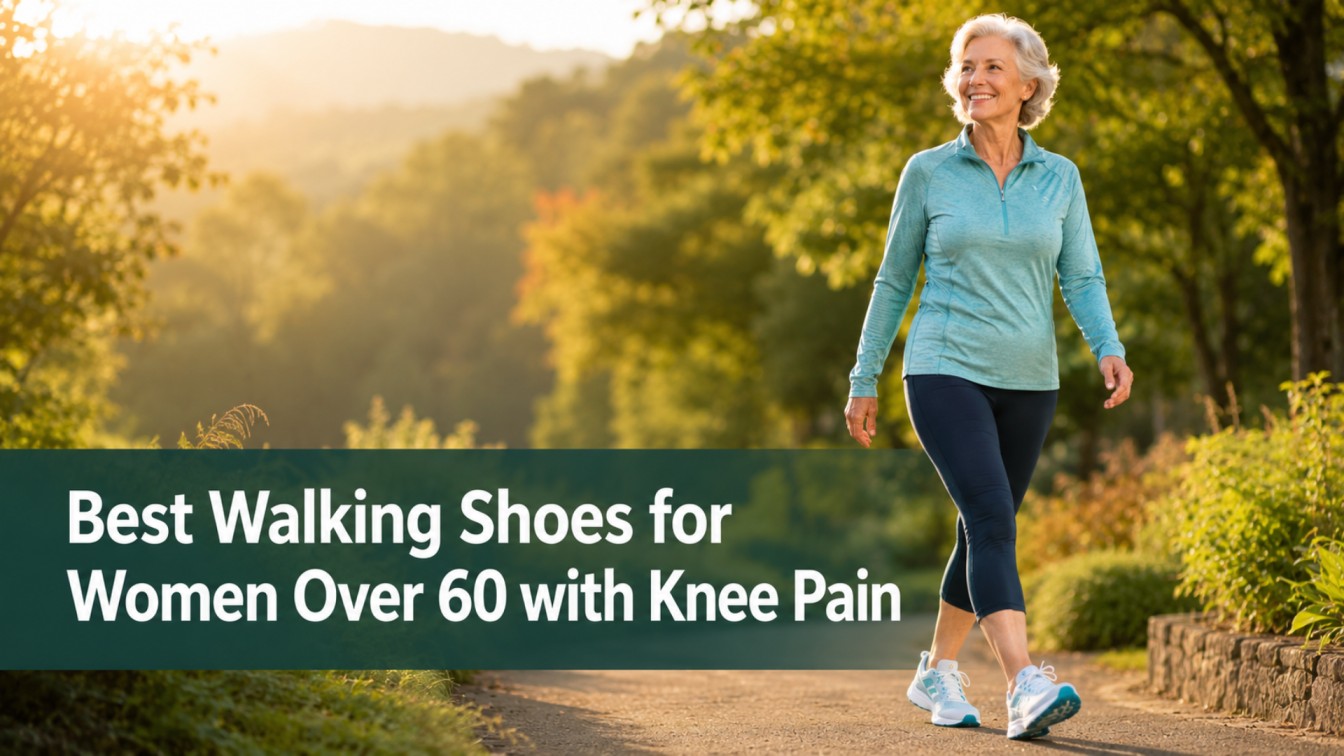
There is a particular kind of frustration that comes with loving your daily walk but dreading the ache that follows. You lace up, you head out the door feeling good, and somewhere around the halfway mark your knees start to remind you that they are not as young as they used to be. By the time you get home, you are icing, stretching, or simply telling yourself you will skip tomorrow.
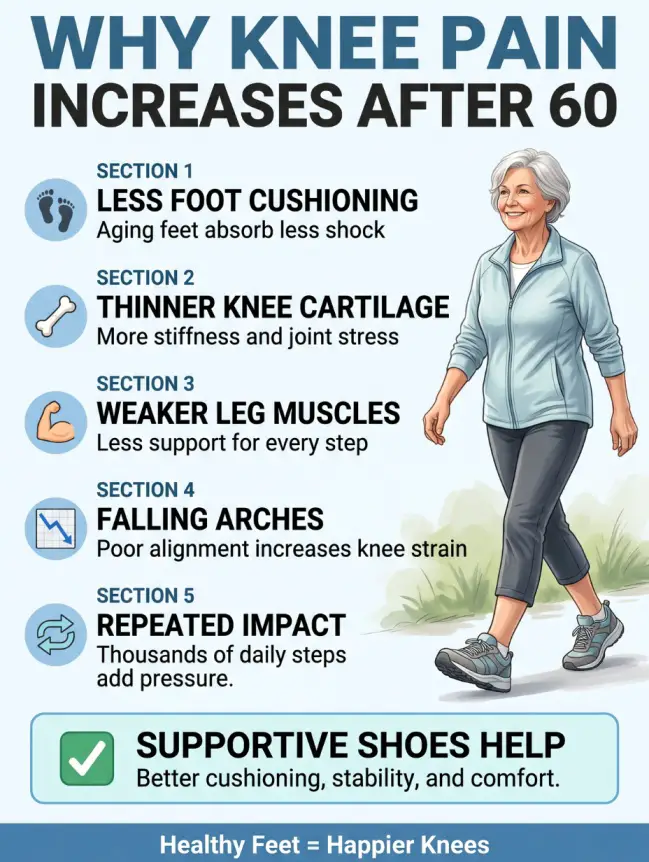
If that sounds familiar, you are far from alone. Knee pain becomes much more common after 60, and the reasons are mostly mechanical. The natural fat pad that once cushioned the bottom of your feet thins out, so every step lands a little harder. Cartilage in the knee wears down over the years, often into mild or moderate arthritis. The muscles that stabilize your stride weaken, and the arches that once kept your feet aligned tend to flatten. Put all of that together and the impact from each footstep travels straight up your legs and settles in your knees.
Here is the good news: the right pair of walking shoes will not cure any of that, but it can genuinely change how your knees feel by the end of a walk. A supportive, well-cushioned shoe absorbs impact before it reaches your joints, keeps your feet aligned so your knees are not being twisted with every step, and encourages a smoother, easier stride. The difference between the wrong shoe and the right one can be the difference between giving up walking and enjoying it again.
This guide is also built around a simple promise: every shoe recommended here is leather-free. Instead of animal-skin uppers, these picks use breathable engineered mesh, soft knit, and modern synthetic materials. These uppers tend to be lighter, cooler, and more flexible right out of the box, with little or no painful break-in period. Below you will find what features actually matter, how to match a shoe to your specific feet, more than thirty leather-free options across every budget, and the fitting tips that make all the difference.
When you click on certain links within my blog posts, it may lead you to a product page where you have the opportunity to make a purchase. Please note that if you decide to make a purchase through those links, I may earn a commission from the retailer or brand. For more information, please visit the Affiliate Disclosure page on my blog.
Why Knees Hurt More After 60 — and How Shoes Actually Help
It helps to understand what is happening so you can shop with confidence rather than guesswork.
What changes with age. The cushioning fat pad under your heel and the ball of your foot gradually thins, leaving you with less built-in shock absorption than you had at 30. Cartilage, the smooth tissue that lets the knee glide, slowly wears down, and for many people this becomes osteoarthritis. At the same time, the small stabilizing muscles in your feet and legs lose strength, and arches often drop. When an arch collapses inward as you walk — a motion called overpronation — it rotates the shin and torques the knee with every stride. Multiply that by the thousands of steps in a single walk and you can see why your joints protest.
What a good shoe can do. A thoughtfully designed walking shoe absorbs impact at the moment your heel strikes the ground, before that force can climb to your knee, hip, and lower back. It supports your arch so your foot stays aligned and your knee is not constantly being twisted. It guides your foot through a smooth heel-to-toe roll instead of a jarring slap. Done well, all of this reduces the triggers that set off knee pain.
What a good shoe cannot do. It is just as important to be honest about the limits. No shoe heals arthritis, regrows cartilage, or repairs an injury. Footwear is one helpful tool, not a treatment plan.
A quick, friendly note: If your knee pain is sharp, comes with swelling, causes the joint to lock or give way, or simply keeps getting worse, please see a doctor, physical therapist, or podiatrist. The right shoes work best alongside proper care, not instead of it.
The Features That Matter Most: Your Shopping Checklist
You do not have to memorize a hundred specifications. A handful of features do most of the work, and once you know them you can evaluate almost any shoe on the shelf.
Generous but controlled cushioning. Because your feet have lost some of their natural padding, you want a shoe that puts it back. Good cushioning softens the landing and spares your knees. But there is such a thing as too soft. An overly squishy, marshmallow-like sole can leave you feeling unstable and wobbly, which is the last thing you want when balance is already a concern. Aim for plush but supportive, not bottomless.
Stability and a firm heel counter. The heel counter is the structured cup at the back of the shoe that holds your heel in place. A firm one keeps your foot from sliding around and wobbling, and that steadiness translates directly into less stress on your knees. Many supportive shoes also use guide-rail or roll-bar style systems built into the midsole to gently keep your foot tracking straight.
Arch support matched to your foot. Support that spreads pressure evenly across your foot takes strain off the whole chain, from ankle to knee to hip. The catch is that the right amount of arch support depends on your foot type, which we will sort out in the next section.
A low-to-moderate heel drop. “Heel drop” is the height difference between the heel and the forefoot. For most people with knee pain, a drop in the range of roughly four to eight millimeters is easier on the joints than a tall heel, because it reduces the forward push on the knee. One caveat: if you have tight calves, Achilles issues, or limited ankle mobility, a slightly higher drop may actually feel better, so let comfort be your final judge.
A slight rocker sole. A rocker bottom curves up gently at the toe, which encourages a smooth rolling motion as you step forward. This is especially helpful if you have arthritis in your toes or the middle of your foot, and it takes pressure off stiff joints.
Width options and a roomy toe box. Feet tend to widen and swell with age, and bunions are common. A shoe that pinches changes the way you walk, which adds strain to your knees. Look for brands that offer wide and extra-wide versions, and make sure your toes have room to spread.
Easy on and off. If arthritis in your hands makes laces fiddly, or if bending down to tie shoes is uncomfortable, slip-in and wide-opening designs are a real gift. Just make sure any slip-on you choose still has a firm heel counter and proper support — convenience should not cost you stability.
Breathable, leather-free uppers. Engineered mesh and knit uppers keep your feet cool, flex naturally with your foot, and skip the stiff break-in that leather often demands. They are lighter, too, which means less fatigue over a long walk. Every shoe in this guide uses these materials rather than animal skin.
What to avoid: flat, unsupportive ballet-style flats; worn-out sneakers whose cushioning has collapsed; backless slides and clogs that offer no heel security; and those ultra-soft “cloud” shoes that feel heavenly in the store but quietly sabotage your balance.
Match the Shoe to Your Foot Type
The single step most shoppers skip is figuring out how their own feet move. It takes two minutes and it will steer you toward the right category.
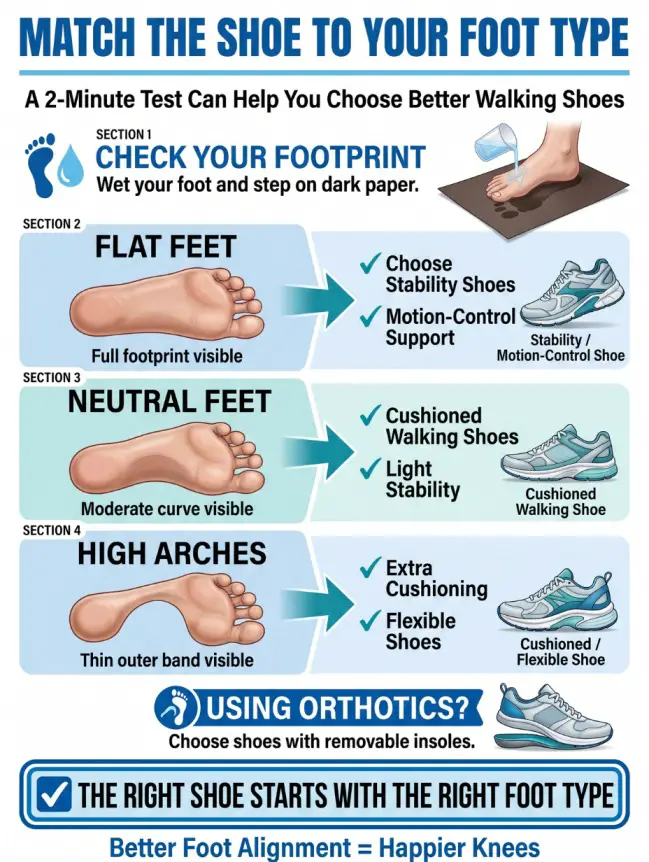
Find your stride. Try the wet-footprint test: wet the bottom of your foot and step onto a piece of cardboard or a dark floor. A full, filled-in print suggests flat feet that likely roll inward. A print showing only a thin band on the outer edge suggests a high arch. A moderate curve in the middle is a neutral foot. You can also read the wear pattern on an old pair of shoes — heavy wear on the inner edge points to overpronation, while wear on the outer edge points to supination.
Flat feet or overpronation. If your arches collapse and your ankles roll inward, you want stability or motion-control shoes. These have firmer support along the inner edge to stop that inward roll, which is exactly the motion that twists the knee.
High arches or supination. If your feet roll outward and do not absorb shock well on their own, prioritize extra cushioning and a more flexible shoe to make up for it.
Neutral feet. You have the most freedom. Focus on solid cushioning with a touch of stability and you will do well.
If you use orthotics. Look for shoes with a removable insole so your custom support can drop right in without crowding your foot.
More Than 30 Leather-Free Walking Shoes for Women Over 60 with Knee Pain
The picks below are grouped by what they do best, so you can jump straight to the category that fits your feet. Every one uses a mesh, knit, or synthetic upper rather than leather. Because many brands sell the same model in both leather and non-leather versions, it is always worth confirming the specific colorway you choose is the mesh or knit edition. As always, try before you commit and buy from somewhere with an easy return policy.
Maximum-cushioning picks for neutral feet
1. Hoka Bondi 9.

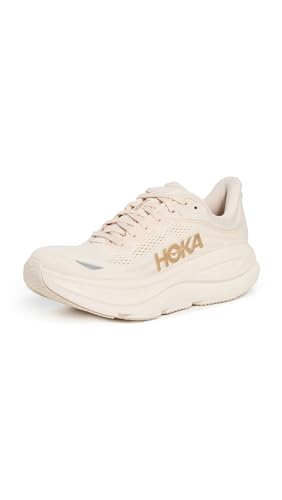
- ENGINEERED MESH
- Lining Textile
The benchmark for plush. Its towering, ultra-soft midsole soaks up impact on hard pavement, and a gently rockered sole keeps you rolling forward. The mesh upper is light and breathable. Best for those who want the softest possible ride.
2. Hoka Clifton 10.
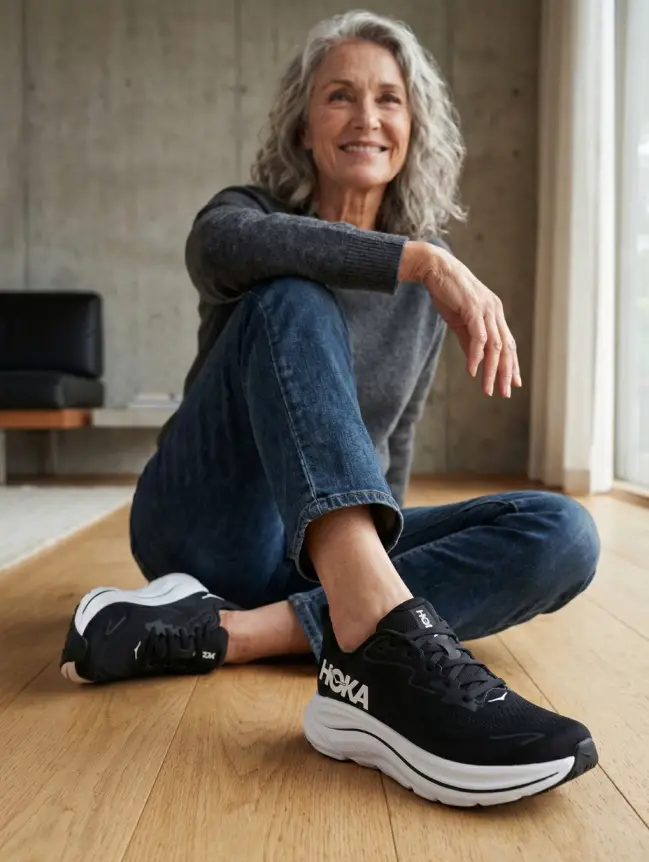

- JACQUARD KNIT UPPER
- Lining Textile
A lighter, more nimble cousin of the Bondi with a balanced cushion that suits all-day wear. The engineered mesh upper breathes well. A great pick if the Bondi feels like too much shoe.
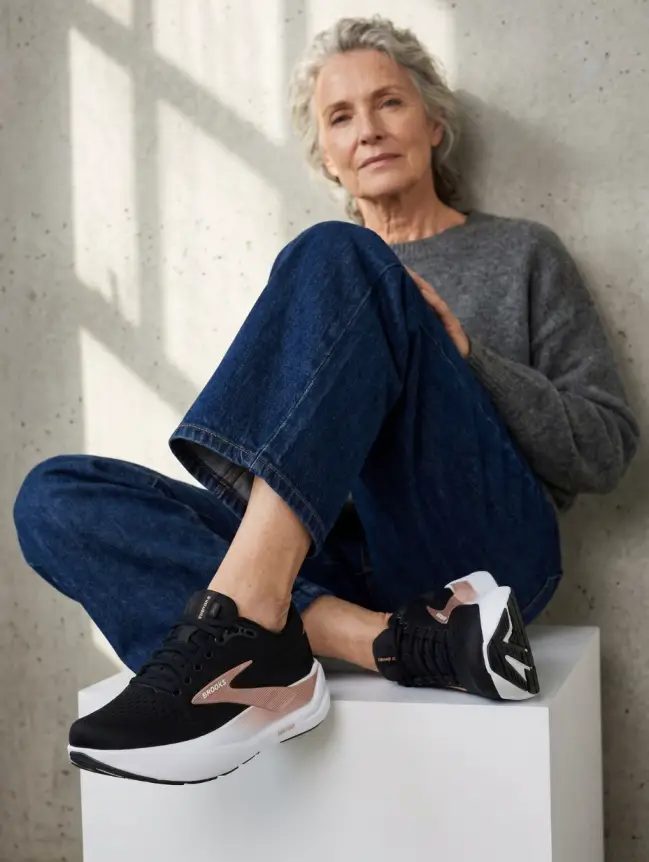
3. Brooks Ghost Max.
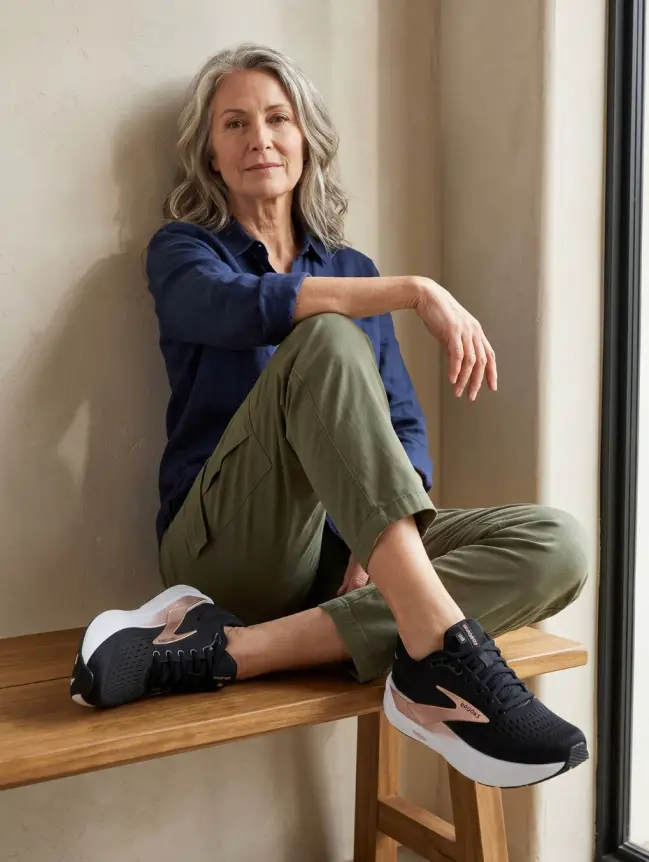
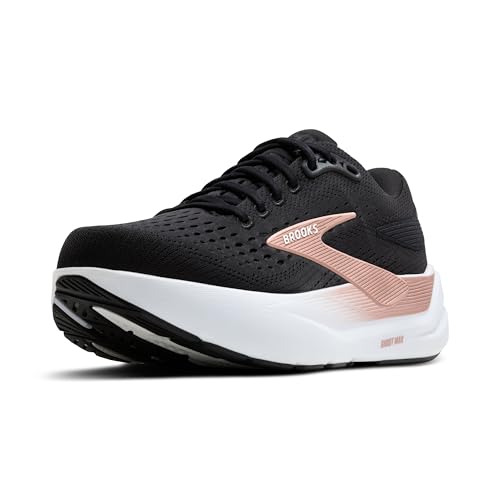
- Sleek sporty style meets enhanced comfort in the Brooks Ghost Max 3 Sneakers with a high stack nitrogen-infused DNA LOFT V3 and a lace-up design. Unique construction adds more volume to the shoe for a more inclusive fit and accommodates orthotics, wh
- Low-top design.
- Nylon lining.
Thick, soft cushioning paired with a rockered sole that smooths every step, all in a breathable mesh upper. A reliable everyday choice for achy knees.
4. Brooks Glycerin 22.
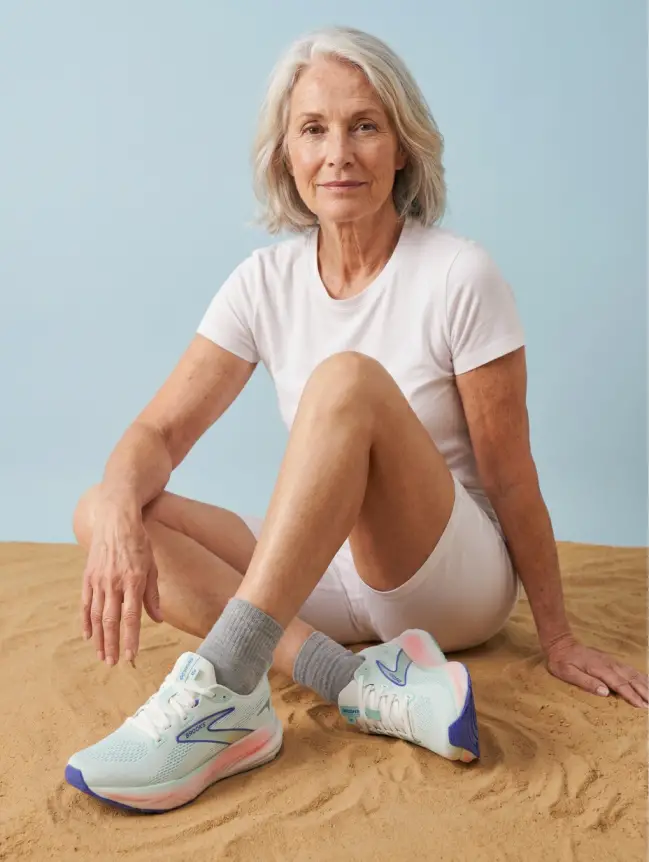

- THIS WOMEN’S SHOE IS FOR: Prepare for smooth transitions with the Glycerin 22, featuring DNA Tuned, the latest midsole technology that seamlessly blends and integrates dual-size cells, ensuring a balance of luxurious cushioning and energetic toe-offs. This Glycerin 22 is a certified PDAC A5500 Diabetic shoe and has been granted the APMA Seal of Acceptance. Predecessor: Glycerin 21.
Deep, premium cushioning with a quietly supportive structure and a soft mesh upper. Comfortable from the first mile to the last.
5. ASICS Gel-Nimbus 27.
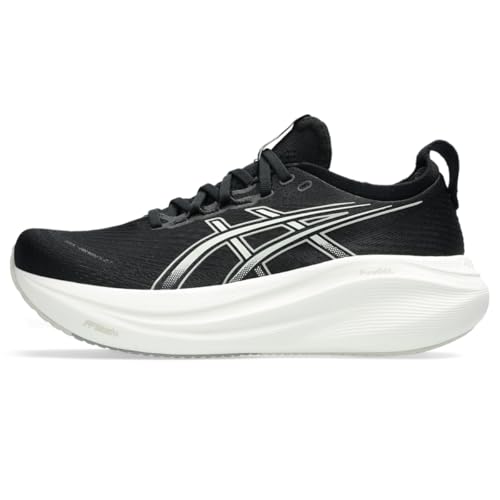
- Engineered jacquard mesh upper: Wraps the foot with a soft feel
- At least 75% of the shoe’s main upper material is made with recycled content to reduce waste and carbon emissions
- The sockliner is produced with the solution dyeing process that reduces water usage by approximately 33% and carbon emissions by approximately 45% compared to the conventional dyeing technology
Long famous for plush, protective cushioning, this is a forgiving option for longer walks. The mesh upper keeps things cool.
6. New Balance Fresh Foam X 1080v14.

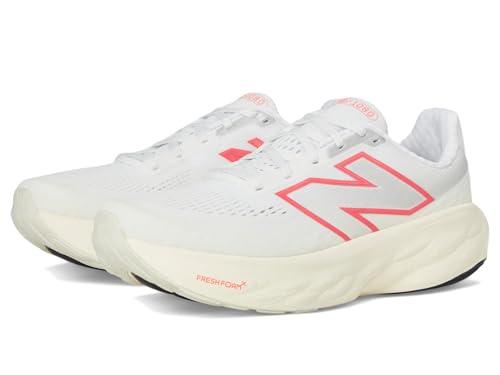
- The Fresh Foam X midsole cushioning is built for smooth transitions from landing to push-off, while a soft, premium upper provides support and breathability.
A premium, pillowy ride with a knit-and-mesh upper that hugs the foot. Smooth and luxurious underfoot.
7. Saucony Triumph 22.
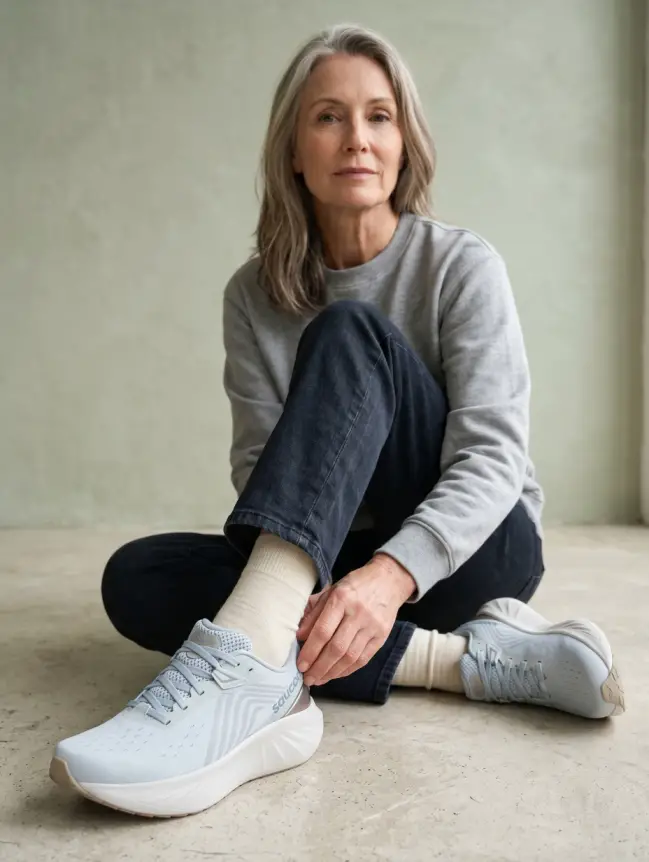
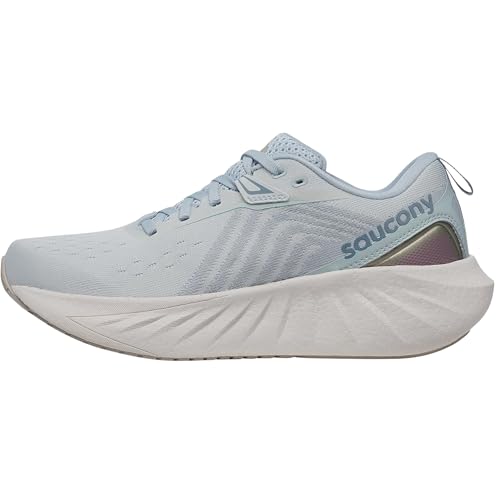
- Plush Cushioning for Long Runs & All-Day Comfort – Built with premium PWRRUN+ foam to deliver maximum cushioning, excellent energy return, and superior shock absorption for road running, walking, and everyday wear.
- Neutral Running Shoes with Smooth Transitions – Updated midsole geometry and wide, stable platform provide a smooth heel-to-toe ride, making these women’s neutral running shoes ideal for daily training and long distances.
High-rebound cushioning that feels soft without going flat, wrapped in breathable mesh. A lively, comfortable everyday walker.
8. Nike Invincible 3.
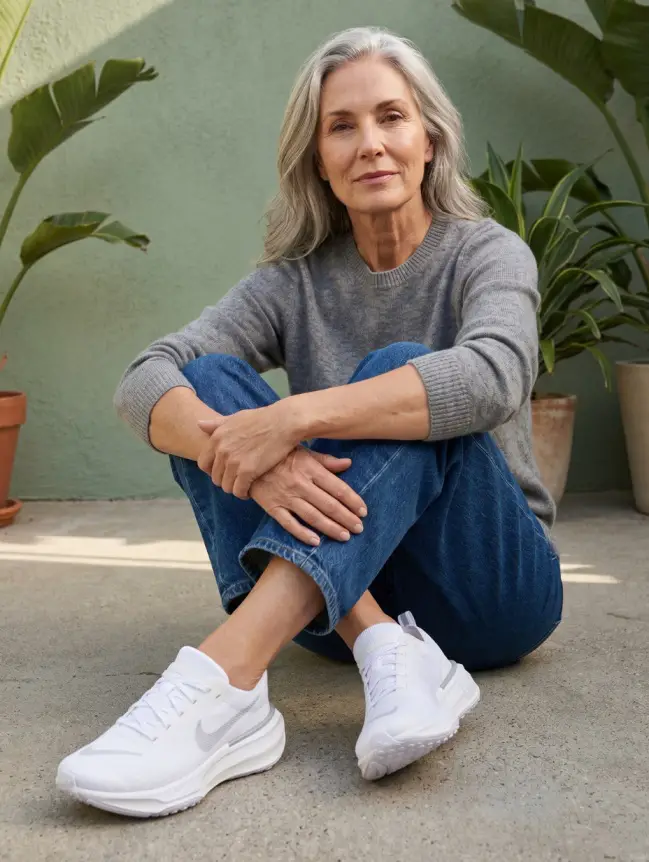
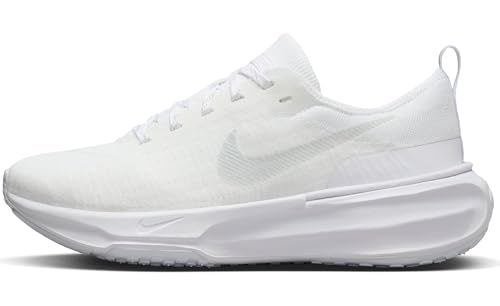
- Maximum cushioning ensures particularly high wearing comfort during your daily runs
- The breathable Flyknit upper and durable platform made of lightweight ZoomX foam soften the impact
- In addition, the midsole of this model is wider and higher than the previous model, which means even more cushioning and comfort.
Bouncy maximum cushioning with a supportive, wide base and a knit-mesh upper. Soft underfoot while still feeling stable.
Stability and motion-control picks for overpronation or flat feet
9. Hoka Arahi 8.
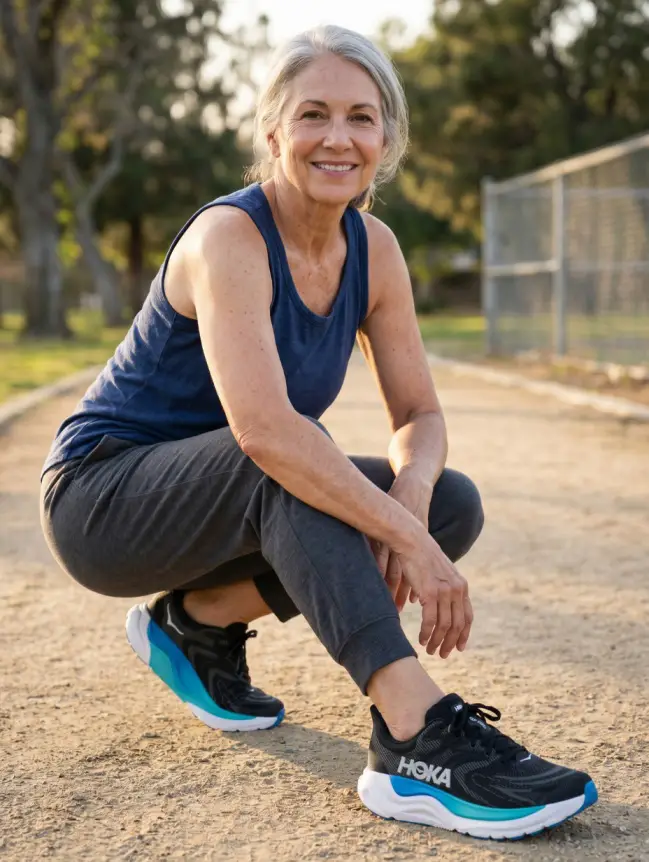
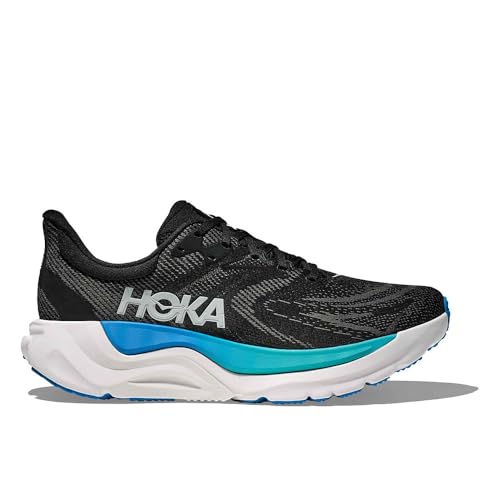
- JACQUARD KNIT UPPER
- Lining Textile
Lightweight stability that keeps your foot centered without feeling heavy or rigid, in a breathable mesh upper. It also carries a podiatric seal of acceptance and comes in wide widths.
10. Hoka Gaviota 5.
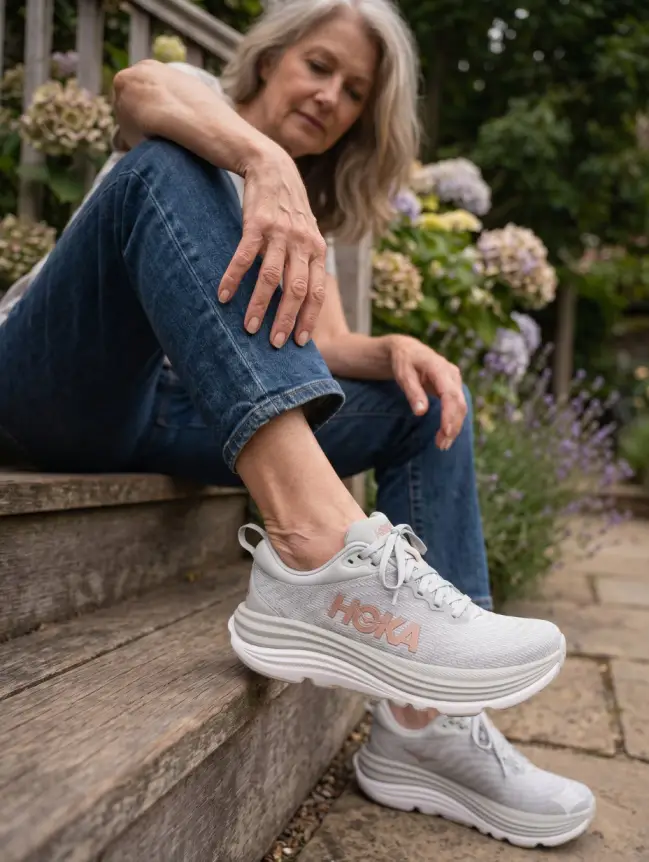

Maximum support meets maximum cushioning for those who need serious help controlling inward roll. Mesh upper, roomy fit.
11. Brooks Adrenaline GTS 24.
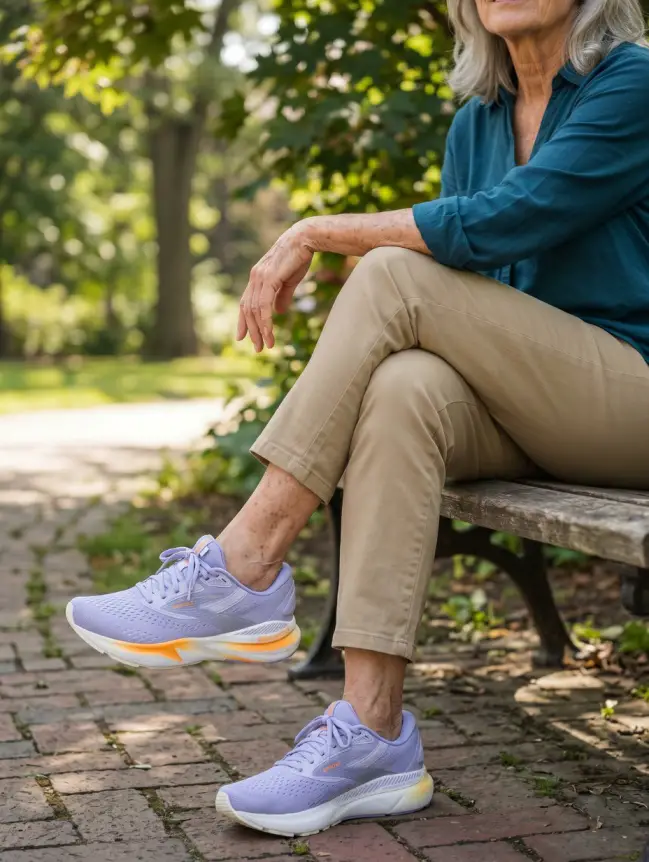

A long-trusted stability shoe with guide-rail support that gently keeps your knees and ankles in line, plus a soft mesh upper. Available in wide and extra-wide.
12. New Balance Fresh Foam X 860v14.
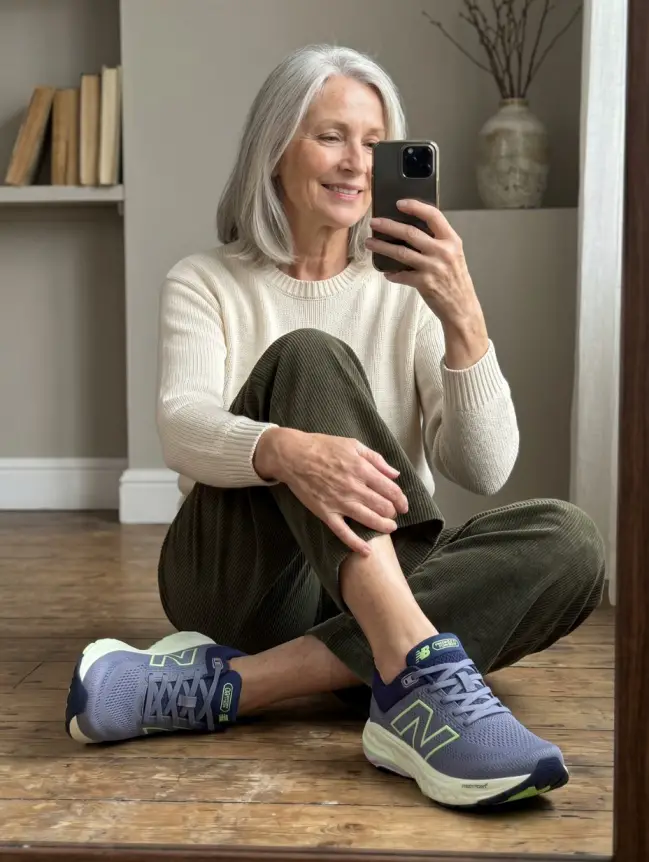

Combines a firmer wedge of foam along the inner edge with soft cushioning everywhere else to guide your foot into better alignment. Mesh upper, multiple widths.
13. ASICS Gel-Kayano 31.
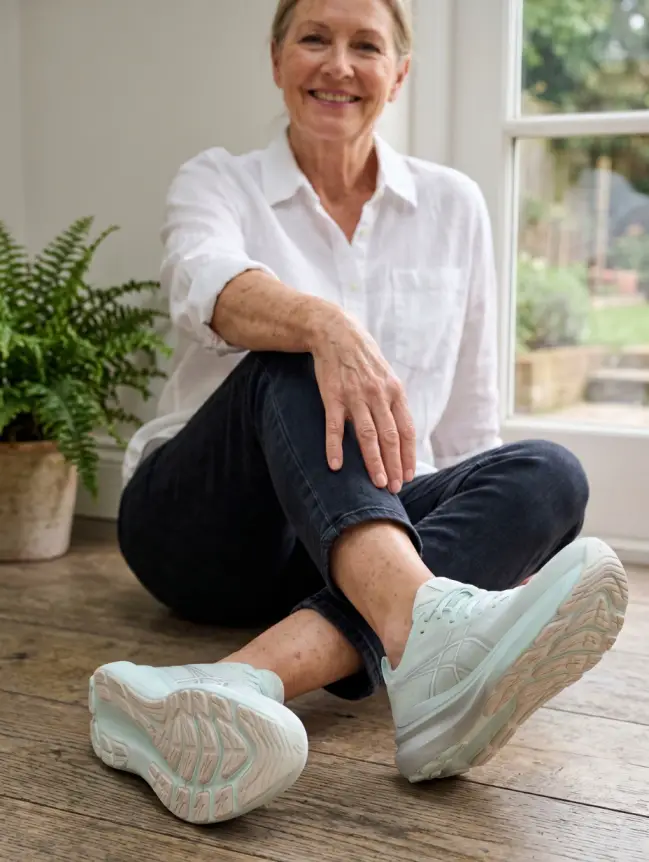

A premium blend of stability and plush cushioning with structured support and a breathable mesh upper. A favorite for those who want both control and comfort.
14. Saucony Guide 18.
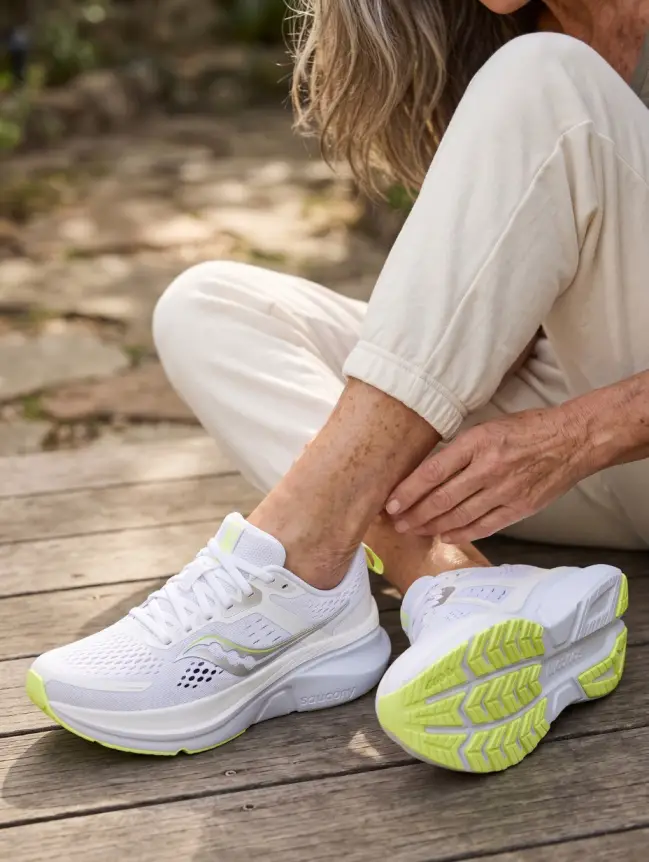

Balanced, unobtrusive stability with a comfortable mesh upper. Supportive without feeling stiff or corrective.
15. Mizuno Wave Inspire 20.

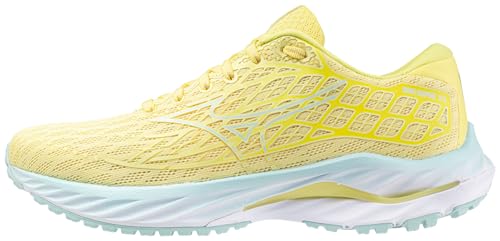
Uses a supportive wave plate to control motion while staying springy, in a breathable mesh upper. A solid stability option.
16. Adidas Supernova Rise.

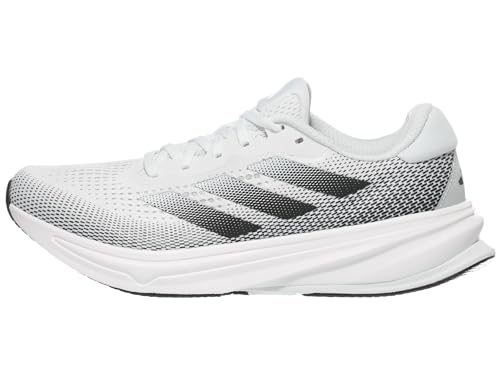
A stable, well-cushioned shoe with strong shock absorption and a knit-mesh upper. A comfortable, joint-friendly daily walker.
Lightweight everyday picks
17. Hoka Transport.
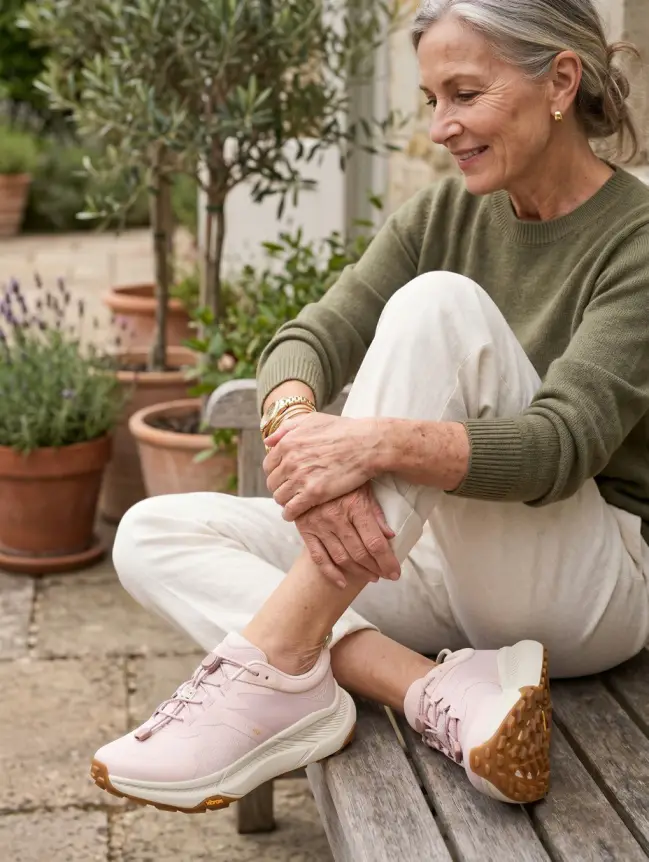
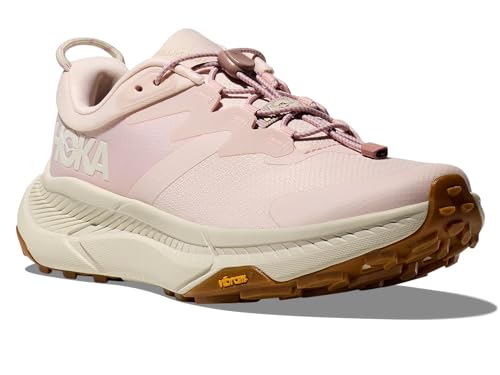
A versatile walking shoe built for errands and city strolls, with cushioning, a recycled mesh upper, and a grippy outsole.
18. On Cloudsurfer.

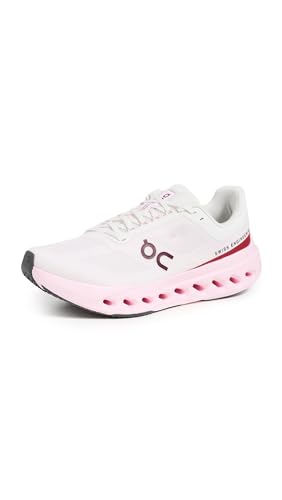
A smooth, light ride with the brand’s distinctive cushioning pods and an engineered mesh upper. Easy and unfatiguing.
19. ASICS Gel-Cumulus 27.
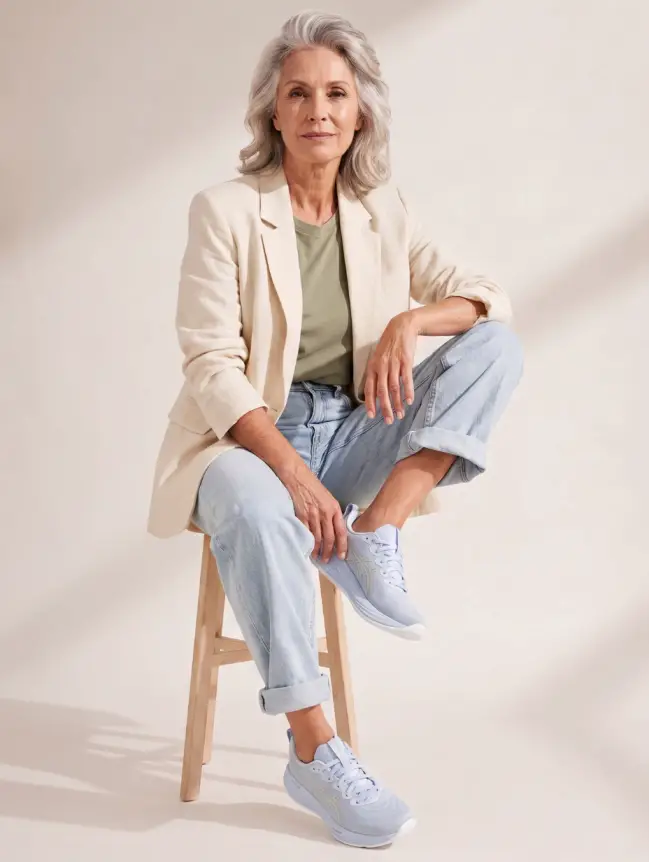

Soft, light, and comfortable for daily walks, with a breathable mesh upper. A more affordable sibling to the Nimbus.
20. New Balance Fresh Foam More v5.
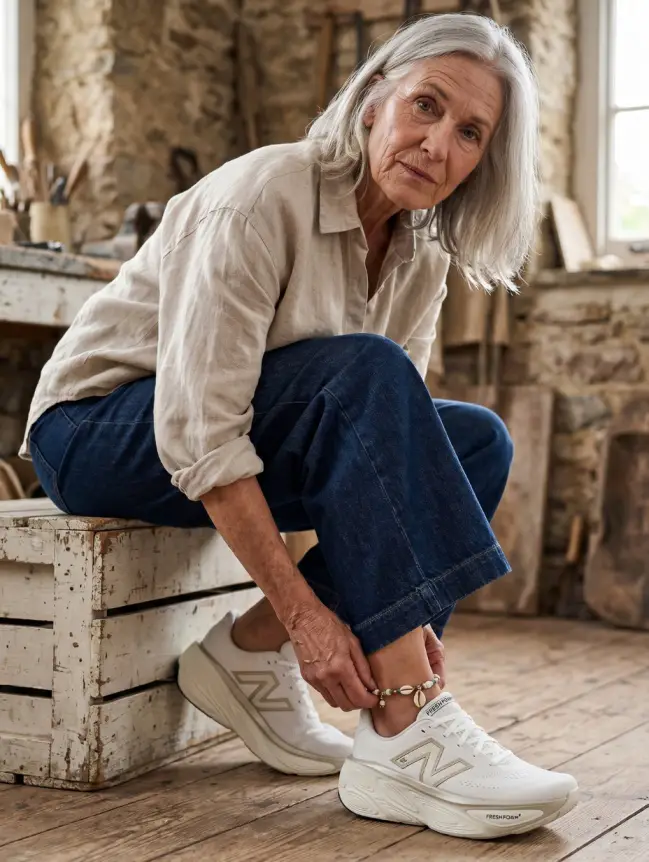

Generous cushioning in a surprisingly light package, with a mesh upper. Plush without the bulk.
21. Saucony Ride 17.
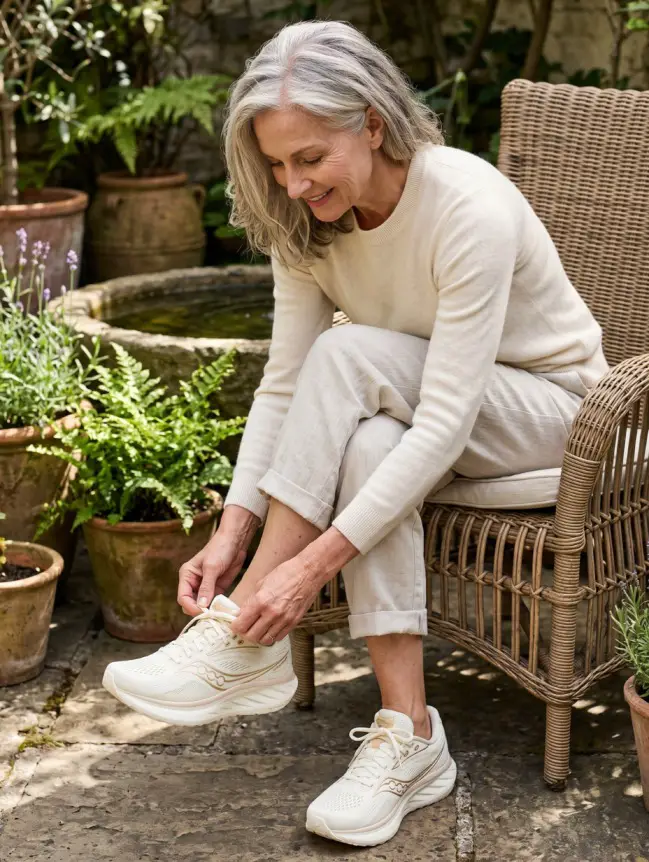

An easygoing neutral shoe with balanced cushioning and a mesh upper. A dependable do-everything walker.
Easy-on and slip-in picks for arthritic hands or limited bending
22. Skechers Slip-Ins (Arch Fit line).
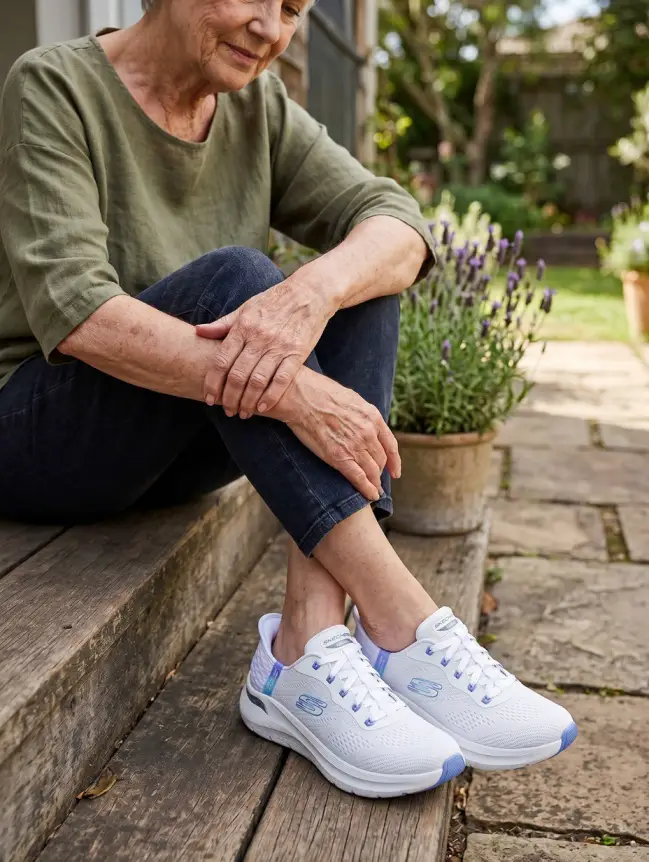
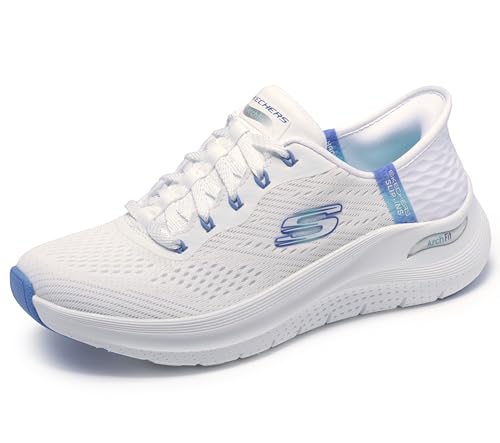
Hands-free entry thanks to a built-in heel piece that springs back into place, paired with a supportive contoured footbed and a textile upper. Step in and go.
23. Skechers GOwalk 7.

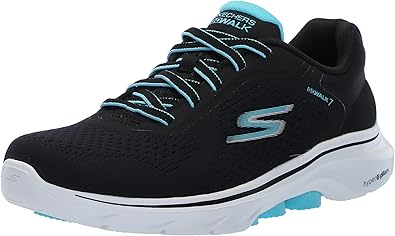
Soft, lightweight, and forgiving with a cushioned textile upper. An affordable, very comfortable everyday walker.
24. Kizik Athens.

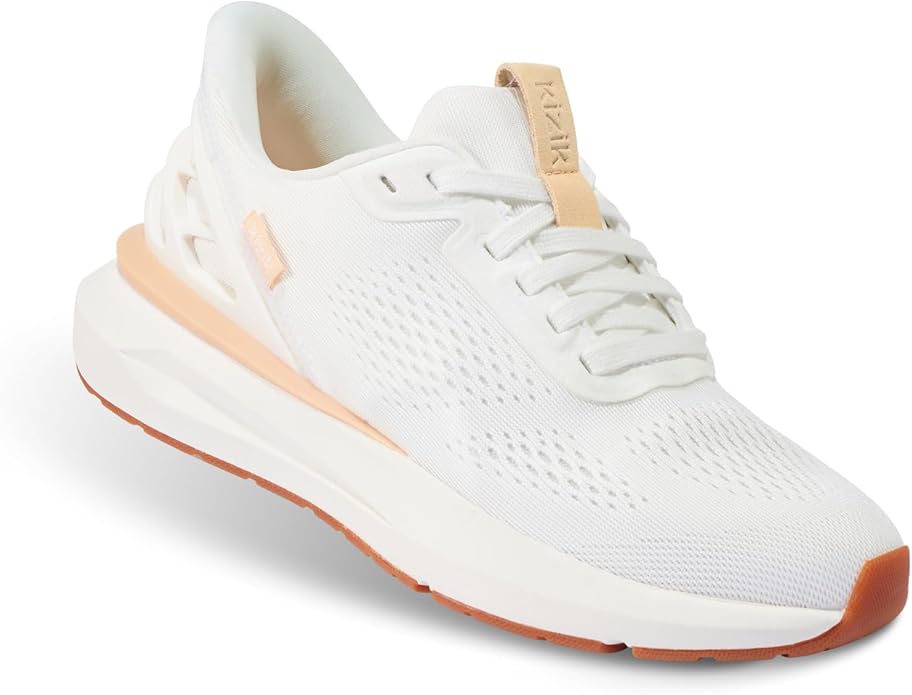
A genuine hands-free shoe you can step into without bending down, with a stretchy knit upper that still looks like a regular sneaker.
25. On Cloudtilt.


An easy-entry design with a lightweight mesh upper and smooth cushioning. Stylish and simple to put on.
Orthopedic, extra-wide, and adjustable picks
26. Orthofeet Coral.
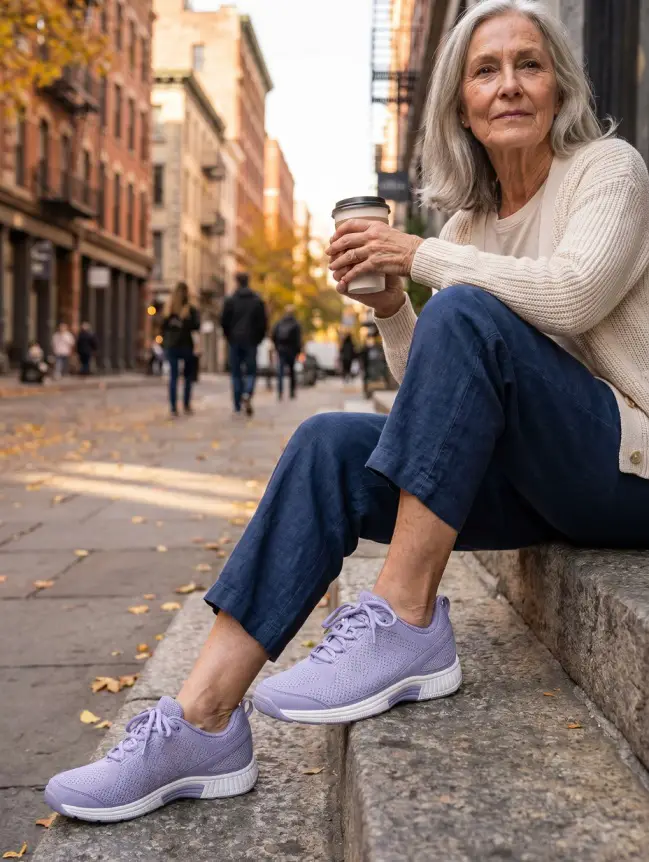

Designed specifically for sensitive feet, with a stretchable mesh upper, deep cushioning, and a removable orthotic insole. Roomy and adjustable, and made without animal materials.
27. Propét TravelActiv.
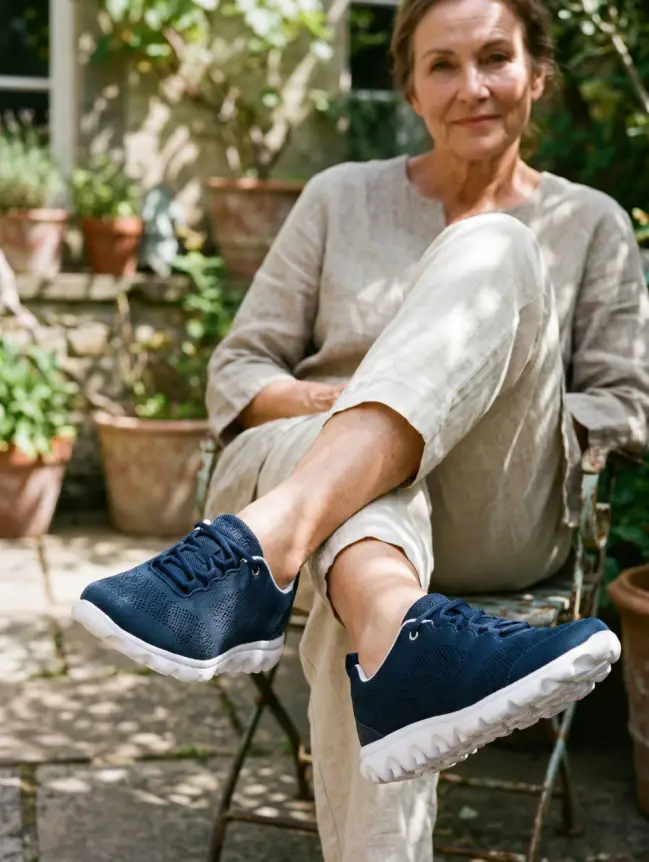

A roomy, breathable mesh walker available in a wide range of widths, with a lightweight, flexible sole. Great for swollen or hard-to-fit feet.
28. New Balance Arishi v4.
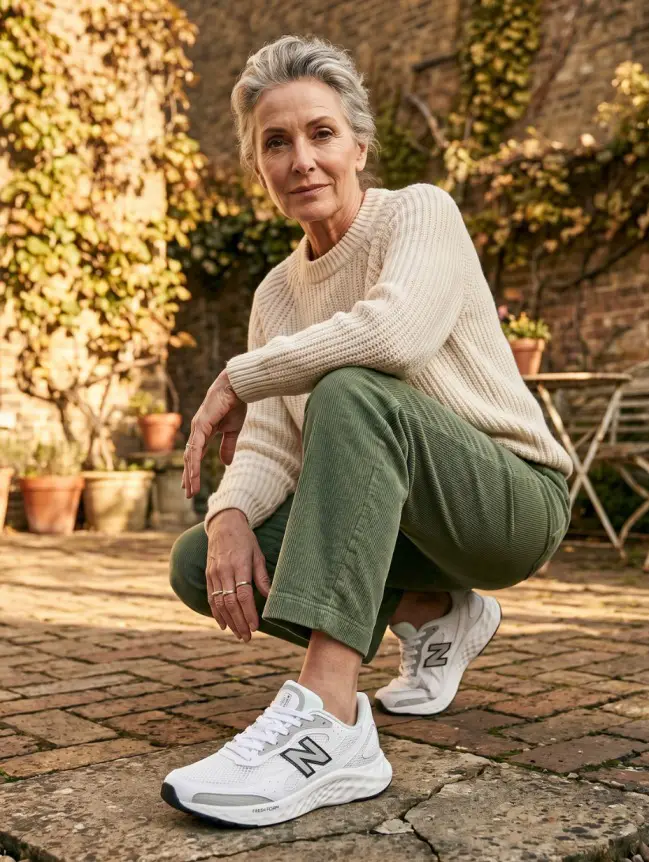

A budget-friendly everyday shoe with soft cushioning, a mesh upper, and wide options. Excellent value for casual walking.
29. Ryka Devotion.

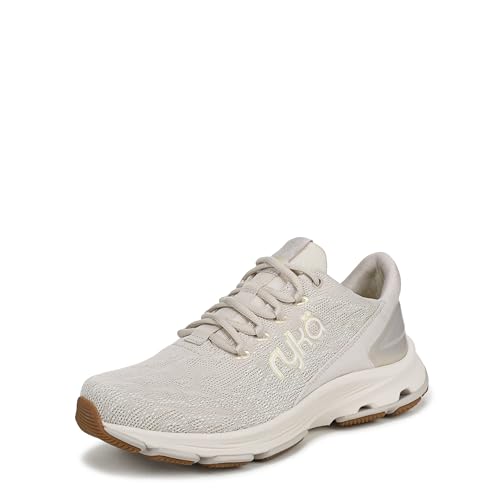
Built on a woman-specific shape with a narrower heel and roomier forefoot, in a breathable mesh upper. Cushioned and stable.
30. Vionic Brisk Miles.
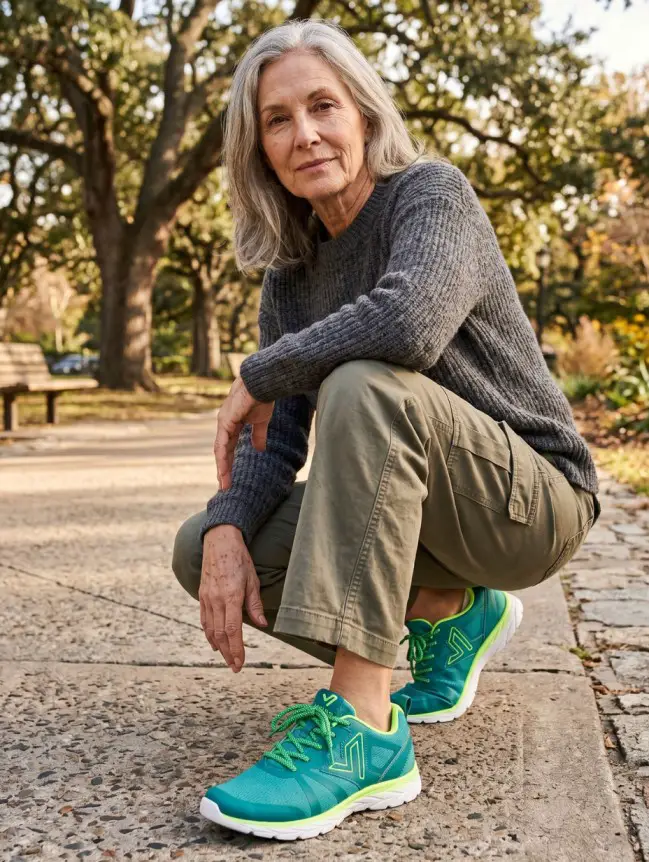

Comes with built-in podiatrist-designed arch support and a textile upper. Confirm you are choosing the mesh version rather than a leather one.
Budget-friendly picks
31. Saucony Cohesion.


Affordable cushioning with enough support for everyday walks, in a mesh upper. A lot of comfort for the price.
32. Skechers Max Cushioning Elite.
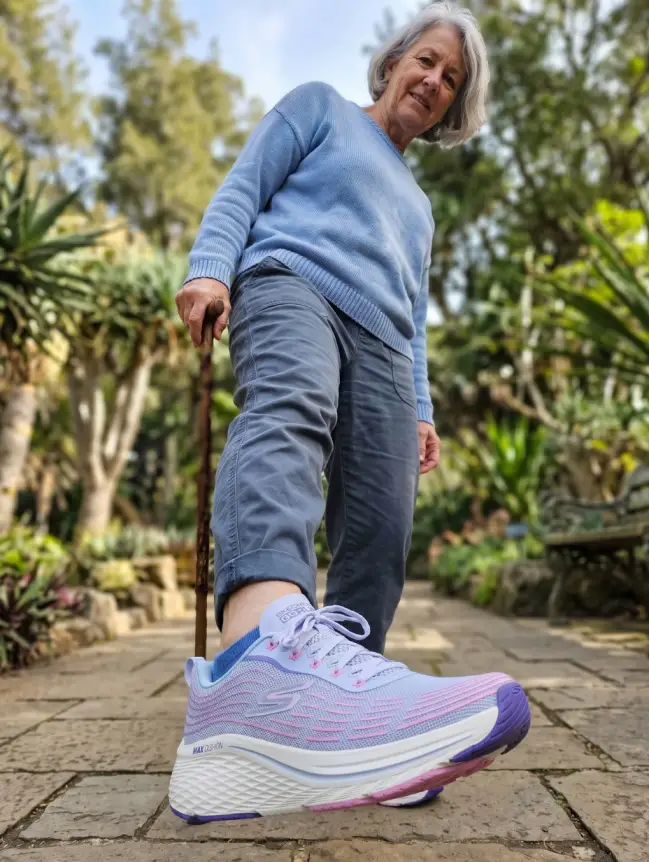

Thick, soft cushioning at a wallet-friendly price, with a lightweight textile upper. Plush without the premium cost.
A plant-based bonus
33. Allbirds Tree Runners (or Tree Dashers).
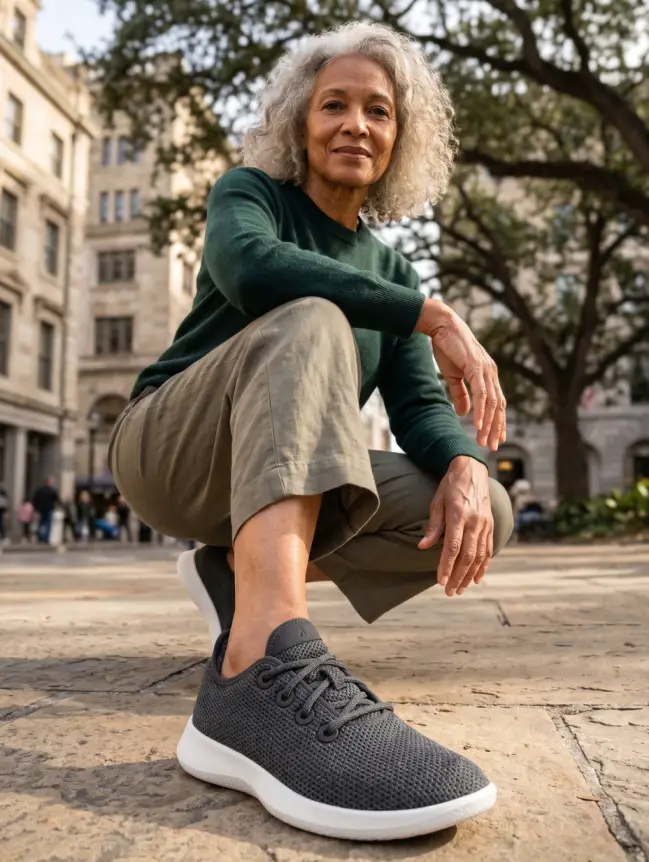

Made from eucalyptus-tree fiber for a soft, breathable, fully plant-based upper. Lightweight and easy to wear. Note that Allbirds also makes wool versions, so steer toward the Tree line if you want to keep it animal-free.
Want a round thirty-five? The Topo Athletic Magnifly offers an unusually roomy toe box, a moderate heel drop, and a breathable mesh upper, which many people with sensitive feet love.
How to Use This List at a Glance
When you build the comparison table for this article, the most useful columns are: shoe name, category, cushioning level, stability level, width options, approximate price band, and upper material. That last column is worth keeping front and center, because it lets readers confirm at a glance that each pick is leather-free, and it is exactly the kind of structured summary that skimmers and search engines both reward.
How to Shop and Fit Them Right
Even the best shoe on this list will disappoint if it does not fit your foot properly. A few simple habits make all the difference.
Shop later in the day. Your feet swell as the hours pass, so a shoe that fits perfectly at 9 a.m. may pinch by evening. Trying shoes on in the afternoon or evening gives you a truer fit.
Wear your usual socks and orthotics. Bring along whatever you actually walk in. A shoe that feels great with thin dress socks may feel cramped with your cushioned walking socks or your custom insole.
Leave a thumb’s width. There should be about a thumb’s width of space between your longest toe and the front of the shoe. At the same time, your heel should sit snugly without slipping when you walk.
Walk on a hard surface. Carpet hides a lot. Find a hard floor in the store and take a real walk so you can feel how the shoe handles actual impact.
Replace them on time. Cushioning wears out long before the upper looks worn. As a rough guide, plan to replace walking shoes every 300 to 500 miles, or roughly every six to twelve months of regular use. A shoe that no longer protects your knees is just a sneaker that looks fine.
Buy where returns are easy. The only true test is several days of real walking. Order from a retailer with a generous return window so you can send back anything that does not feel right.
Beyond the Shoes: Small Add-Ons That Help
Shoes are the foundation, but a few extras stretch their benefit further.
Quality insoles. A good supportive or cushioned insole is an inexpensive way to upgrade a shoe you already like, or to add the structure a softer shoe lacks. It is often the cheapest first step worth trying.
Gentle strengthening. Stronger muscles around the knee — the quads, hips, and glutes — take a meaningful share of the load off the joint itself. A physical therapist can show you a simple, safe routine tailored to you. Rather than guessing at exercises on your own, it is worth asking a professional what is appropriate for your knees.
Mind your surfaces and your pace. Softer paths, packed dirt, or a track are kinder to your knees than hard concrete. If you are building back up, add distance gradually rather than all at once, and wear your supportive shoes even for short errands, not just your dedicated walks.
Know when to get help. This bears repeating gently: if a knee swells, locks, gives way, or simply hurts more over time, that is a signal to see a professional rather than push through.
Frequently Asked Questions
1. Are leather-free shoes as supportive as leather ones?
Yes. Support comes from the midsole, the heel counter, and the overall structure of the shoe, not from the material of the upper. Modern mesh and knit shoes are often lighter and more breathable than leather, and many of the most supportive walking shoes on the market use exactly these materials.
2. Is cushioned or firm better for knee pain?
You want a balance. Enough cushioning to absorb impact and protect your thinning fat pad, but enough firmness and structure that you still feel stable and balanced. A shoe that is all softness and no support can actually make you feel unsteady.
3. What heel drop is best for bad knees?
For most people, a lower-to-moderate drop of around four to eight millimeters reduces forward stress on the knee. The exception is anyone with tight calves or Achilles trouble, who may prefer a slightly higher drop. Let comfort make the final call.
4. Are slip-on shoes supportive enough?
They can be, as long as they have a firm heel counter and real arch support rather than just an easy opening. The convenience is wonderful for arthritic hands, but do not trade away stability to get it.
5. Do I need wide shoes after 60?
Many people do. Feet tend to widen and swell with age, and bunions are common. If your current shoes leave red marks, feel tight by evening, or squeeze your toes, a wide or extra-wide version will likely serve your knees better.
6. Can the right shoes replace knee treatment?
No. Supportive shoes help manage and reduce pain triggers, but they do not cure arthritis or heal an injury. Think of them as one valuable part of a bigger picture that may also include exercise, weight management, and medical care.
7. How often should I replace my walking shoes?
Roughly every 300 to 500 miles, or every six to twelve months of regular walking. The cushioning breaks down well before the shoe looks old, and worn cushioning stops protecting your knees.
The Bottom Line
When you boil it all down, three things matter most: cushioning to absorb impact, stability to keep your feet aligned, and a knee-friendly heel drop to ease the load on your joints. Everything else is a refinement. And as this list shows, you can get all of that in comfortable, breathable, leather-free shoes that fit your values as well as your feet.
Walking is one of the very best things you can do for aging joints, your heart, and your mood, and a little knee pain does not have to take it away from you. Pick two or three shoes from the categories that match your foot type, order them from somewhere with a generous return policy, and give each pair a few real walks. Pay attention to how your knees feel that evening and the next morning. Your feet — and your knees — will tell you which pair is right. Then keep moving.