
Hair often changes with age. After 60, many women notice that their hair feels drier, finer, rougher, more fragile, or more difficult to manage than it once did. The scalp may also produce less natural oil, which means a shampoo that felt comfortable years ago can suddenly seem too cleansing.
Homemade shampoo can be a fun way to experiment with gentler ingredients such as aloe vera, oats, coconut milk, chamomile, flaxseed, rose water, and botanical infusions. However, “natural” does not automatically mean non-irritating. Patch-test unfamiliar ingredients, avoid getting shampoo in the eyes, and stop using any recipe that causes burning, itching, redness, or discomfort.
For safety, the recipes below are designed as small, fresh batches. Any mixture containing water, herbal tea, aloe, fruit, plant material, or coconut milk can support microbial growth when it has not been professionally preserved. Prepare only enough for one or two uses and avoid treating homemade mixtures like shelf-stable commercial shampoo.
A mild, fragrance-free cosmetic shampoo base is used in many of these recipes because it provides more reliable cleansing than harsh DIY alternatives such as baking soda.
Before You Make a Natural Shampoo at Home
Before choosing a recipe, think about how your hair behaves after washing. Fine hair often needs a lighter formula, while coarse, curly, or very dry hair may feel better with richer ingredients such as coconut milk, aloe, oat liquid, jojoba, or a small amount of argan oil. Scalp comfort matters just as much as hair texture, so begin with the simplest recipe that fits your needs instead of combining many botanicals at once.
Keep the preparation area and tools very clean. Wash bowls, spoons, strainers, funnels, and bottles thoroughly before you begin, and use clean hands whenever you handle aloe gel, fruit, herbs, or other fresh ingredients. For herbal infusions, allow the liquid to cool fully before it touches the shampoo base. Fine straining is especially important with oats, seeds, fruit puree, and dried herbs because leftover particles can be difficult to rinse from mature hair.
When trying a recipe for the first time, make the smallest practical amount and pay attention to how your scalp and hair feel after rinsing and again after the hair dries. If the hair feels coated or heavy, choose a lighter recipe next time or use less of the moisturizing ingredient. If it feels rough or overly cleansed, reduce washing frequency and consider a more moisture-focused formula. Homemade shampoo should make your routine more comfortable, not more complicated.
It is also worth remembering that a cosmetic recipe cannot diagnose or treat a scalp disorder or unexplained hair loss. Persistent itching, sores, sudden shedding, pain, or major changes in the scalp deserve professional medical evaluation rather than repeated experimentation with DIY ingredients.
1. Aloe Vera and Coconut Milk Moisturizing Shampoo
Aloe vera and coconut milk make a wonderfully creamy combination for mature hair that frequently feels dry or rough. Aloe adds lightweight moisture while coconut milk gives the mixture a richer, more conditioning texture.
Ingredients
- 2 tablespoons mild unscented shampoo base
- 1 tablespoon pure aloe vera gel
- 1 tablespoon unsweetened coconut milk
- 1/2 teaspoon vegetable glycerin
Instructions
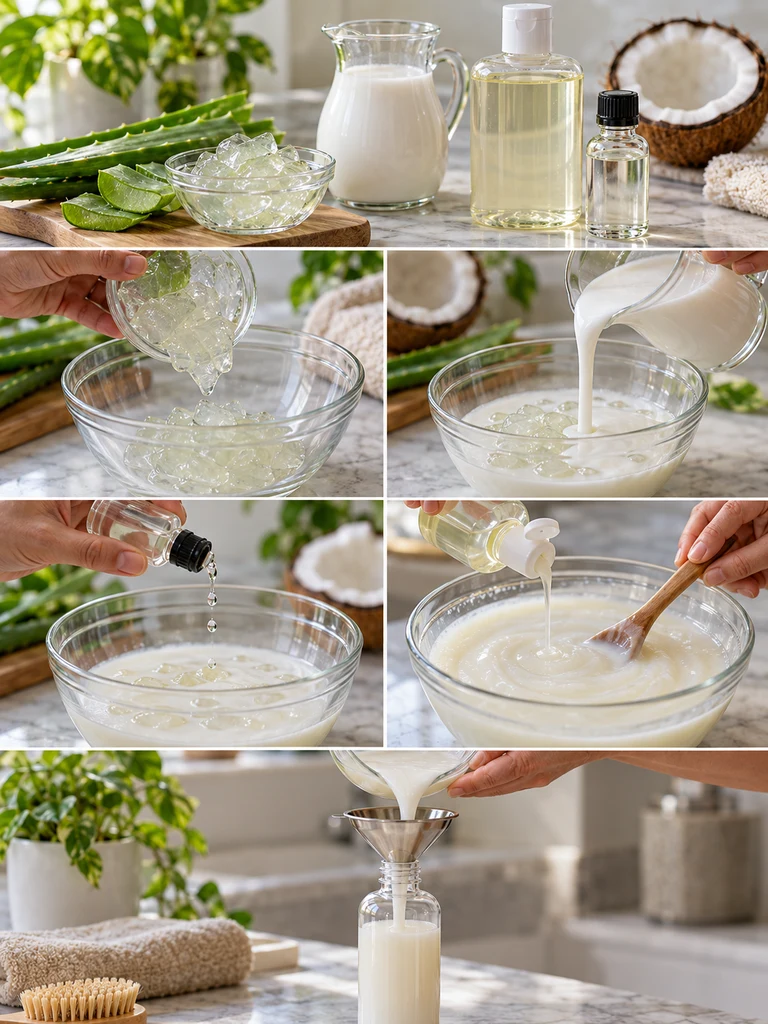
Place the shampoo base in a small bowl. Add aloe vera, coconut milk, and glycerin. Stir slowly until smooth rather than whisking vigorously, which creates excessive foam. Apply to wet hair, massage gently over the scalp, rinse thoroughly, and discard unused mixture after your wash.
2. Aloe Vera and Honey Softening Shampoo
Honey is a humectant, meaning it helps attract water, while aloe gives the shampoo a smoother consistency. This combination works particularly well when mature hair feels rough after cleansing.
Ingredients
- 2 tablespoons mild shampoo base
- 1 tablespoon aloe vera gel
- 1 teaspoon honey
- 1 teaspoon distilled water
Instructions
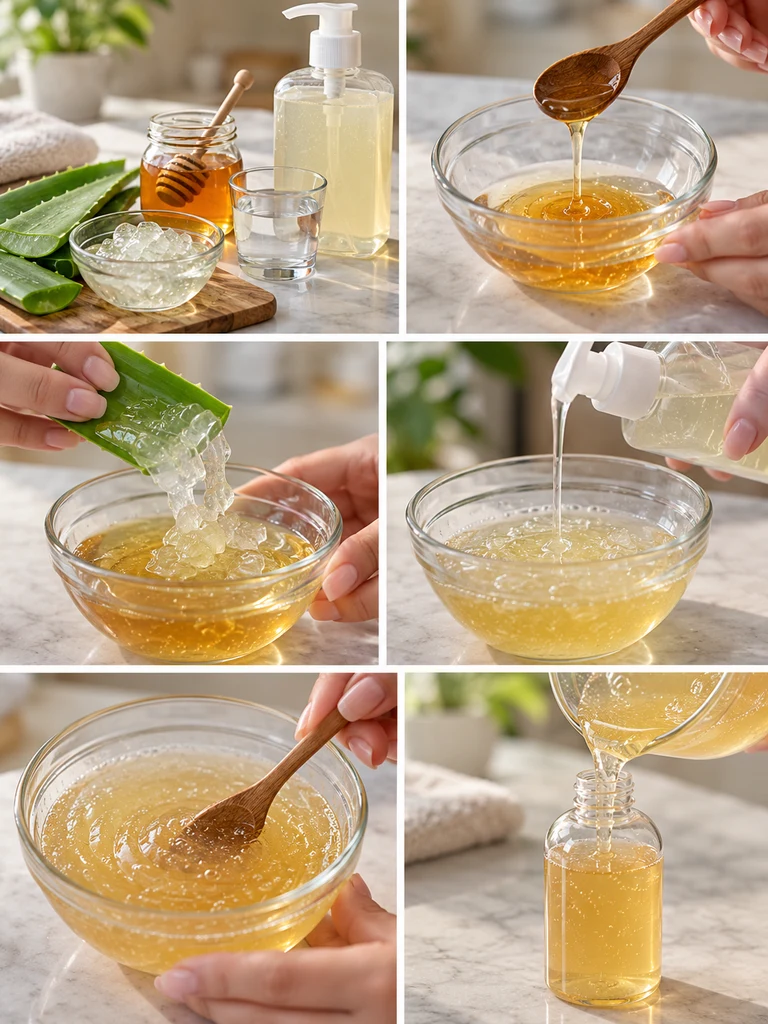
Mix the honey with distilled water until it loosens slightly. Add aloe vera and then gently stir in the shampoo base. Massage a small amount over thoroughly wet hair for about one minute before rinsing well.
3. Coconut Milk and Honey Cream Shampoo
This creamy shampoo is a good choice when mature hair tends to become dry, fluffy, or difficult to detangle.
Ingredients
- 2 tablespoons shampoo base
- 1 tablespoon coconut milk
- 1 teaspoon honey
Instructions
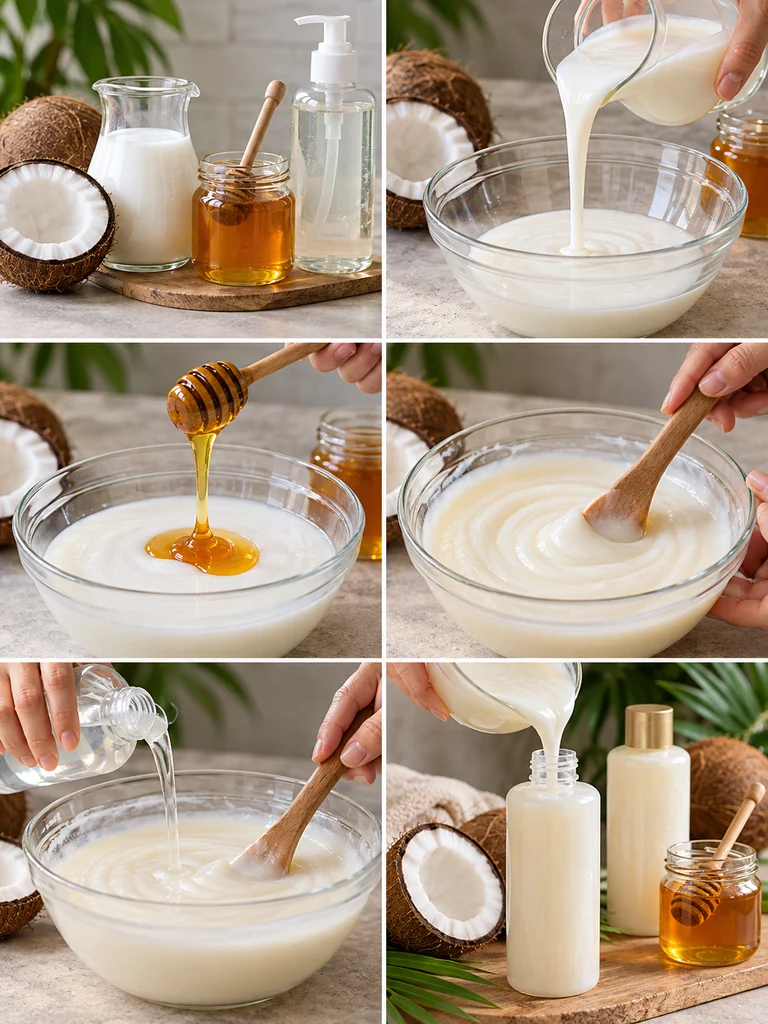
Combine the coconut milk and honey first. Once smooth, slowly fold in the shampoo base. Wet the hair thoroughly, apply mainly around the scalp, gently massage, and rinse with lukewarm water. Follow with conditioner if needed.
4. Oatmeal and Aloe Gentle Shampoo
Oats are useful in gentle skin-care formulations, making this a simple option for women who prefer a mild-feeling scalp routine.
Ingredients
- 2 tablespoons shampoo base
- 2 tablespoons warm distilled water
- 1 tablespoon finely ground colloidal oatmeal
- 1 tablespoon aloe vera gel
Instructions
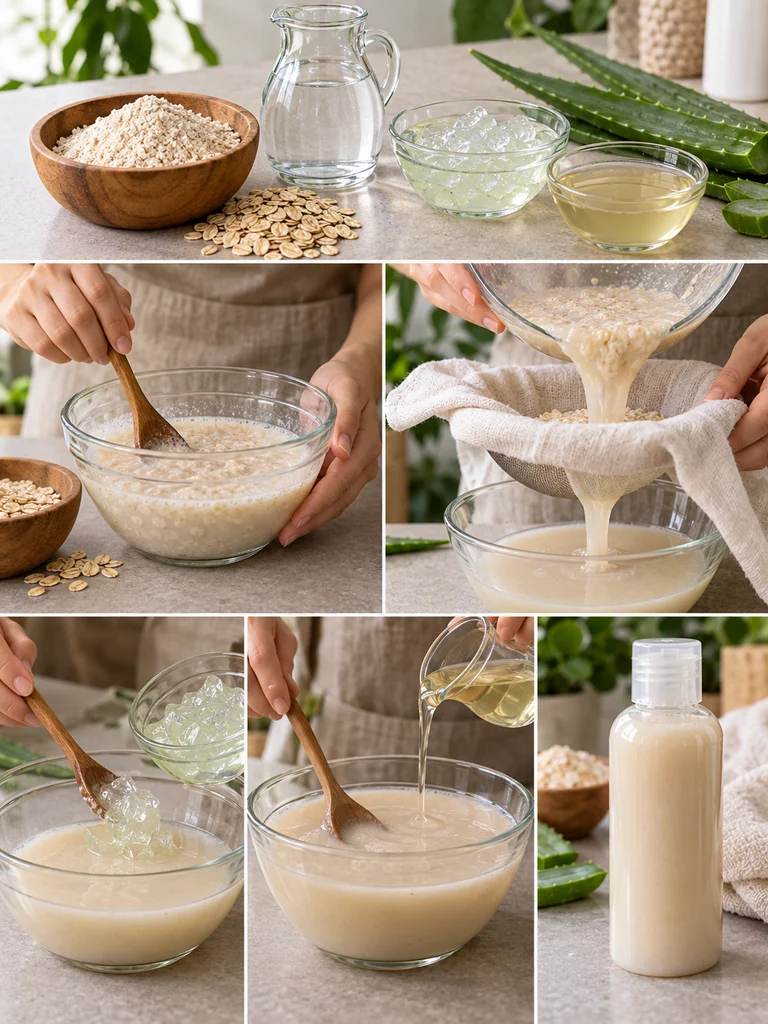
Mix the oatmeal with warm water and allow it to sit briefly. Strain well through a very fine cloth if particles remain. Stir the oat liquid into aloe and shampoo base. Massage gently and rinse thoroughly.
5. Chamomile and Aloe Shampoo
Chamomile creates a pleasant botanical shampoo without requiring concentrated essential oils.
Ingredients
- 1 chamomile tea bag
- 1/4 cup hot distilled water
- 2 tablespoons shampoo base
- 1 tablespoon aloe vera gel
Instructions
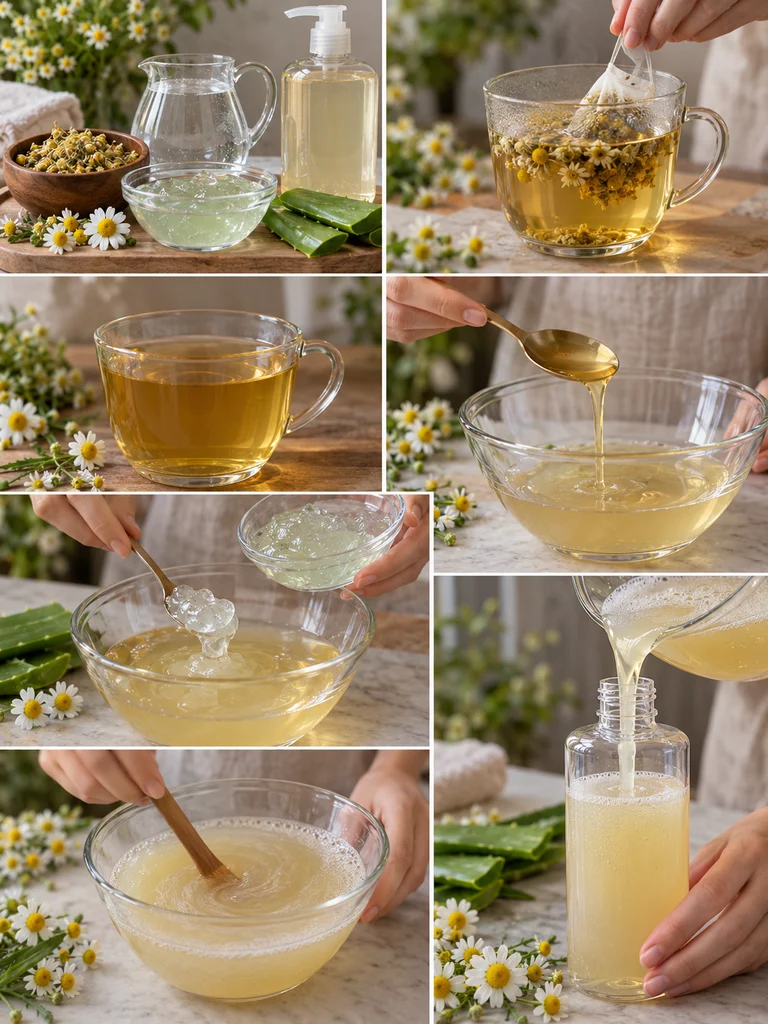
Steep chamomile for five minutes and allow it to cool completely. Measure one tablespoon of the tea and mix it with aloe. Add the shampoo base and stir gently. Use immediately.
6. Rosemary Herbal Shampoo
Rosemary is commonly used in hair-care routines, but a weak herbal infusion is gentler than adding undiluted rosemary essential oil directly to the scalp.
Ingredients
- 1 teaspoon dried rosemary
- 1/2 cup hot distilled water
- 2 tablespoons shampoo base
Instructions
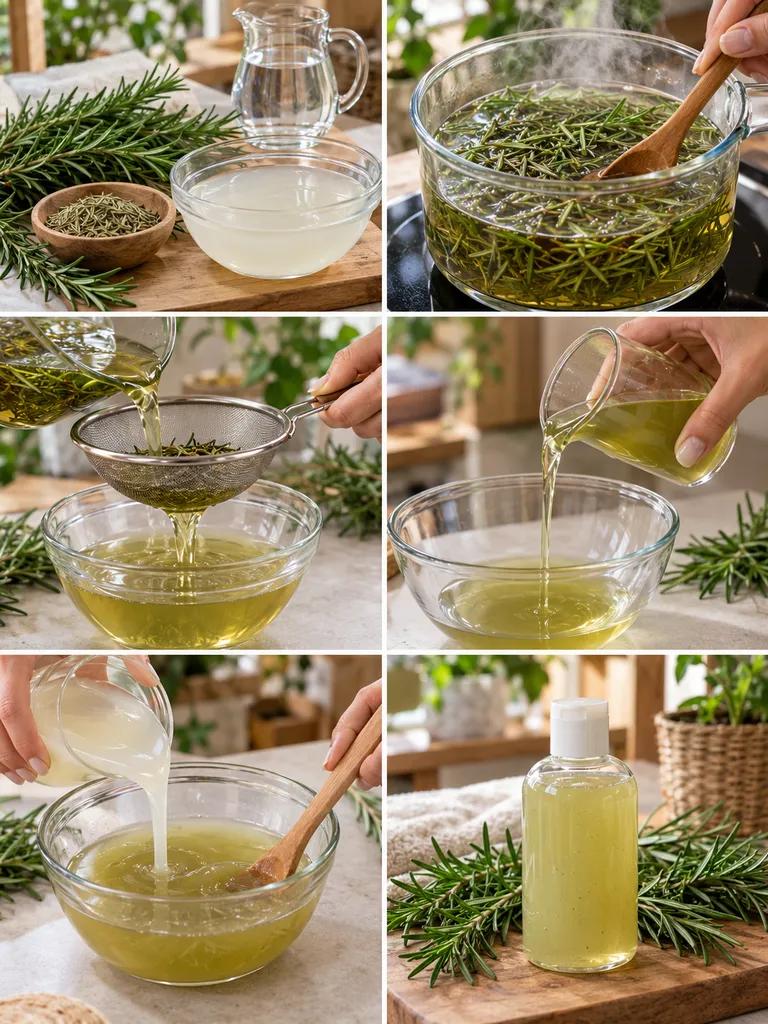
Steep rosemary for ten minutes. Cool completely and strain very carefully. Mix one tablespoon of the infusion with the shampoo base. Massage over the scalp and rinse thoroughly.
7. Rosemary and Aloe Shampoo
This version combines a refreshing rosemary rinse with aloe for extra softness.
Ingredients
- 2 tablespoons shampoo base
- 1 tablespoon cooled rosemary infusion
- 1 tablespoon aloe vera gel
Instructions
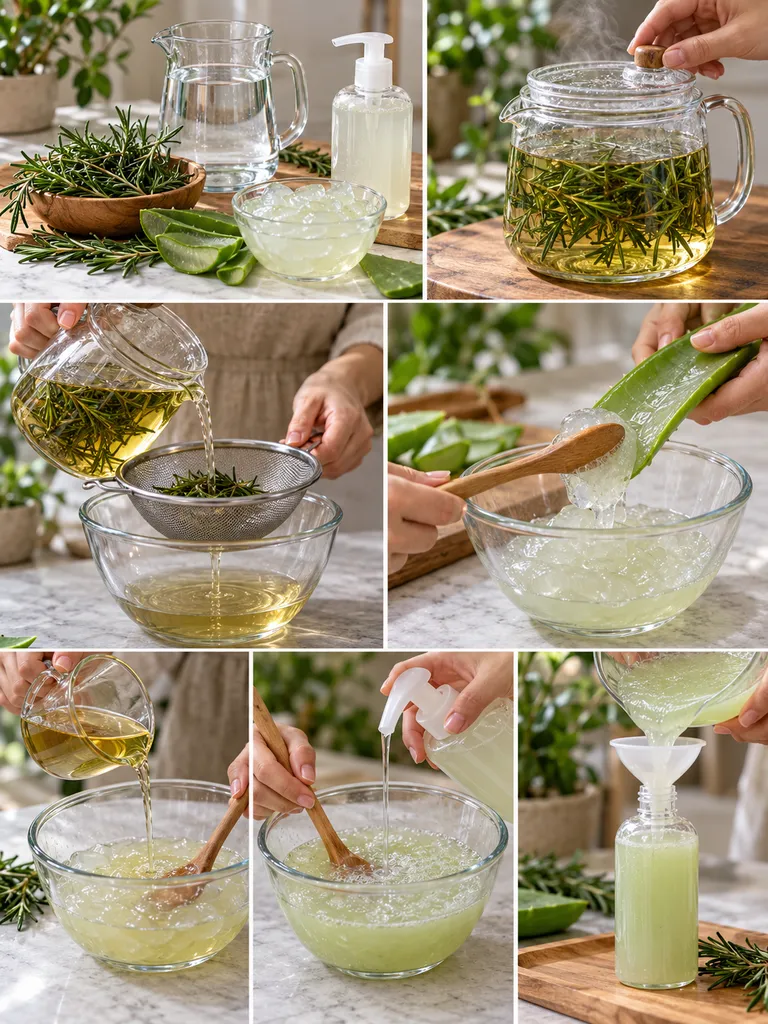
Prepare and cool a weak rosemary infusion. Measure one tablespoon and combine it with aloe. Slowly stir in the shampoo base and use on wet hair.
8. Green Tea and Aloe Shampoo
Green tea creates a light shampoo that is especially suitable for women who dislike heavy, oily formulas.
Ingredients
- 1 green tea bag
- 1/2 cup water
- 2 tablespoons shampoo base
- 1 tablespoon aloe gel
Instructions
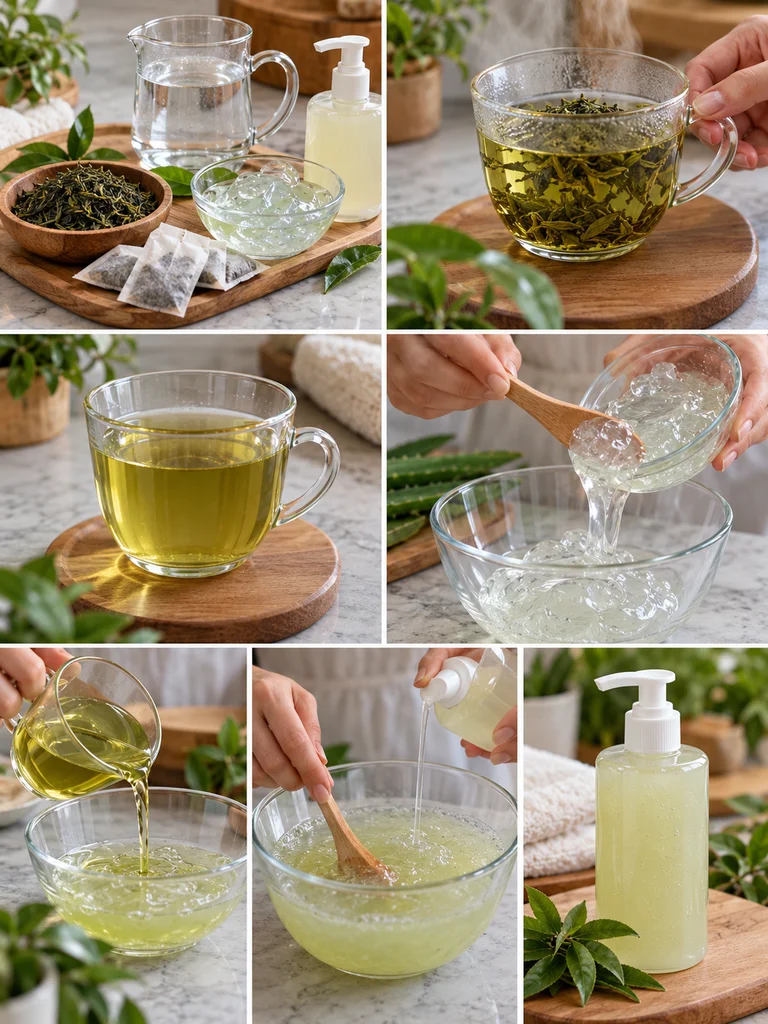
Brew the tea lightly and allow it to cool. Mix one tablespoon of tea with aloe before adding the shampoo base. Apply to wet hair, massage gently and rinse.
9. Green Tea and Honey Shampoo
This simple recipe combines lightweight cleansing with a small amount of honey for softness.
Ingredients
- 2 tablespoons shampoo base
- 1 tablespoon cooled green tea
- 1 teaspoon honey
Instructions
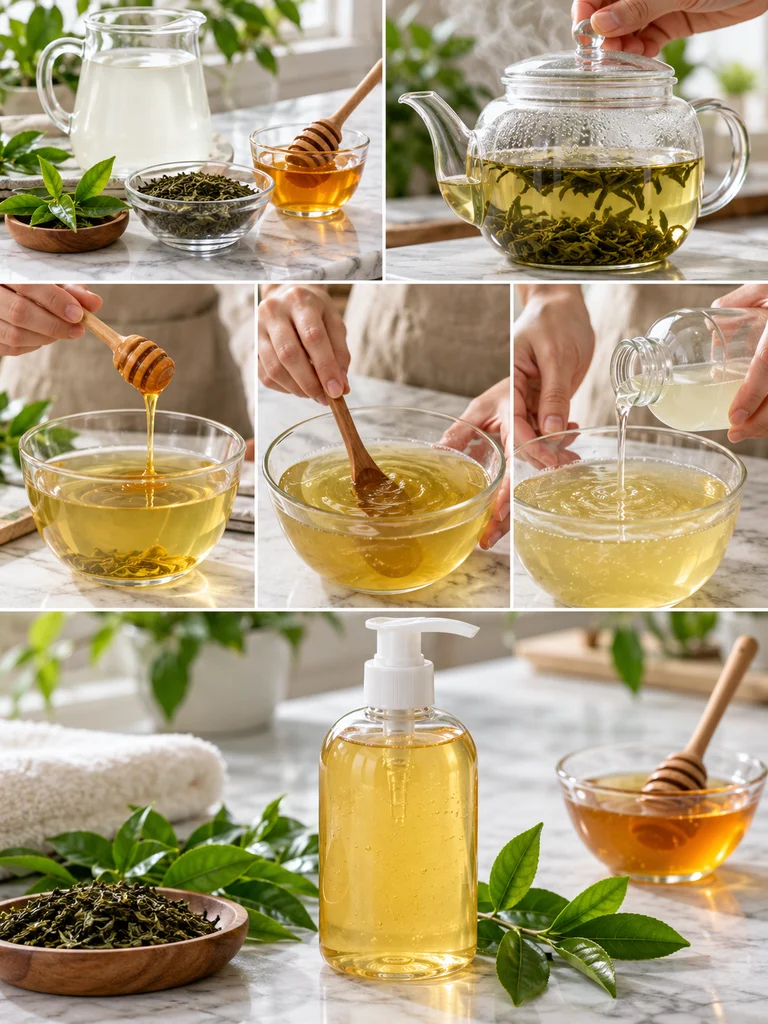
Dissolve the honey in the cooled tea, then stir the liquid into the shampoo base. Apply immediately and rinse thoroughly so no sticky residue remains.
10. Hibiscus and Aloe Shampoo
Hibiscus produces a beautiful botanical infusion and pairs nicely with aloe for a soft-feeling cleansing mixture.
Ingredients
- 1 teaspoon dried hibiscus
- 1/2 cup hot water
- 2 tablespoons shampoo base
- 1 tablespoon aloe
Instructions
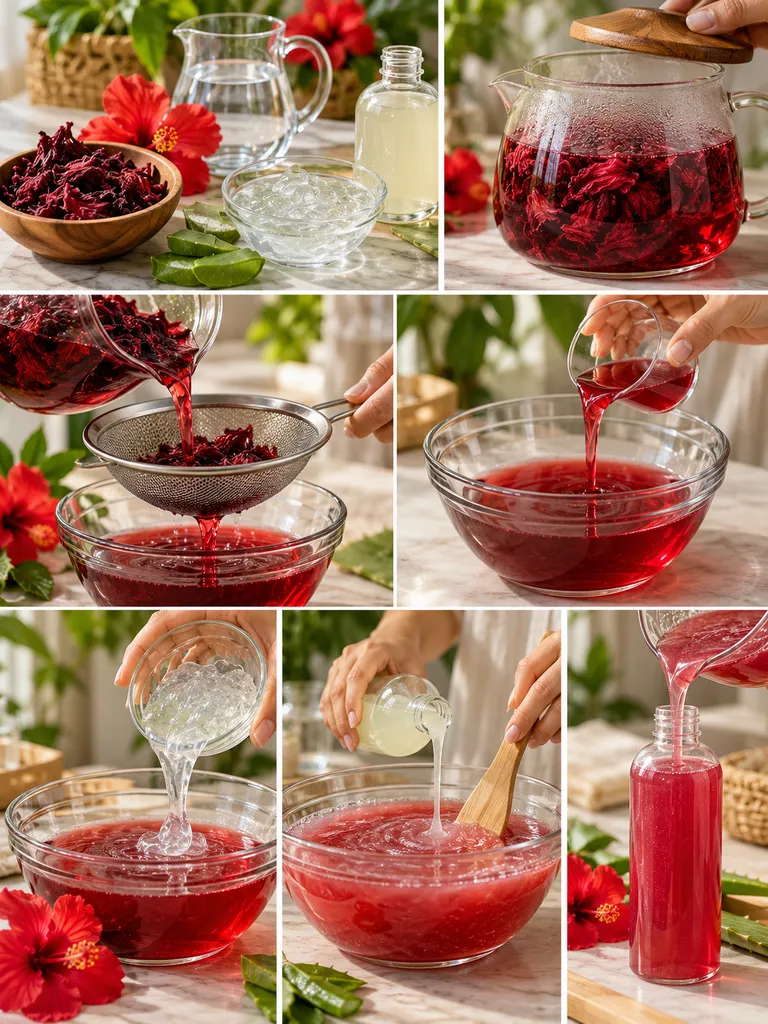
Steep hibiscus for five to ten minutes. Cool and strain extremely well. Mix one tablespoon of infusion with aloe and shampoo base. Use immediately.
11. Hibiscus and Coconut Milk Shampoo
Women with coarse or very dry-feeling hair may enjoy this richer variation.
Ingredients
- 2 tablespoons shampoo base
- 1 tablespoon cooled hibiscus infusion
- 1 tablespoon coconut milk
Instructions
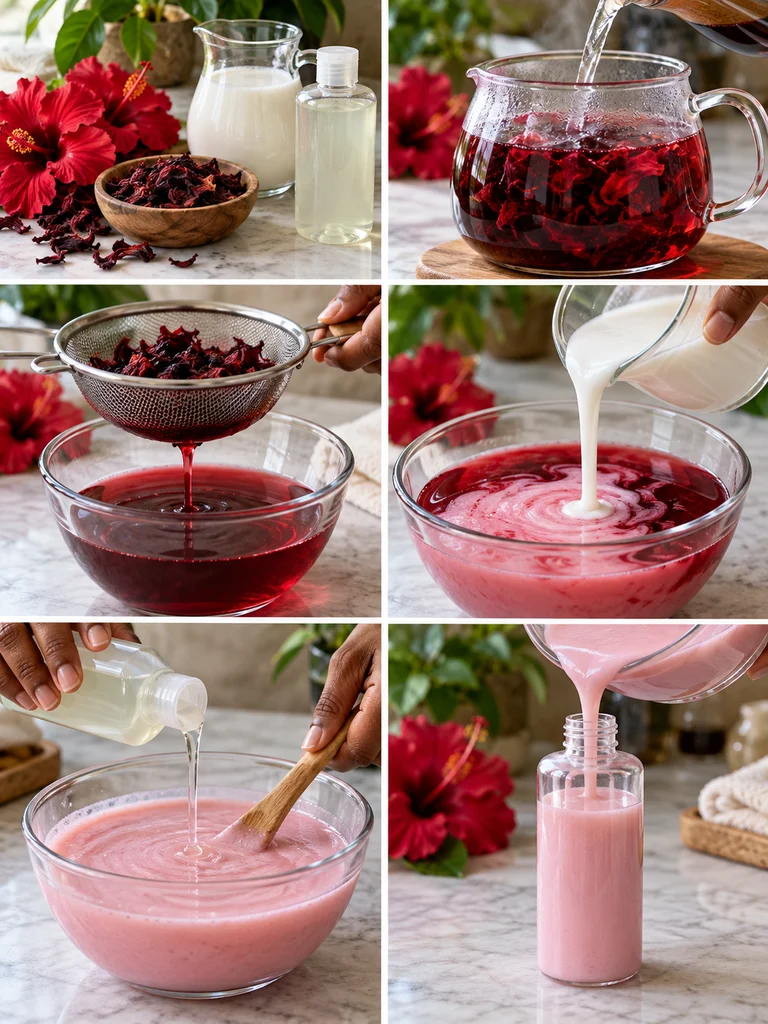
Combine the strained hibiscus infusion and coconut milk. Slowly stir in the shampoo base until evenly blended. Massage mainly over the scalp and rinse thoroughly.
12. Fenugreek and Aloe Shampoo
Fenugreek becomes slippery after soaking, giving this shampoo an interesting conditioning texture.
Ingredients
- 1 teaspoon fenugreek seeds
- 1/2 cup water
- 2 tablespoons shampoo base
- 1 tablespoon aloe
Instructions
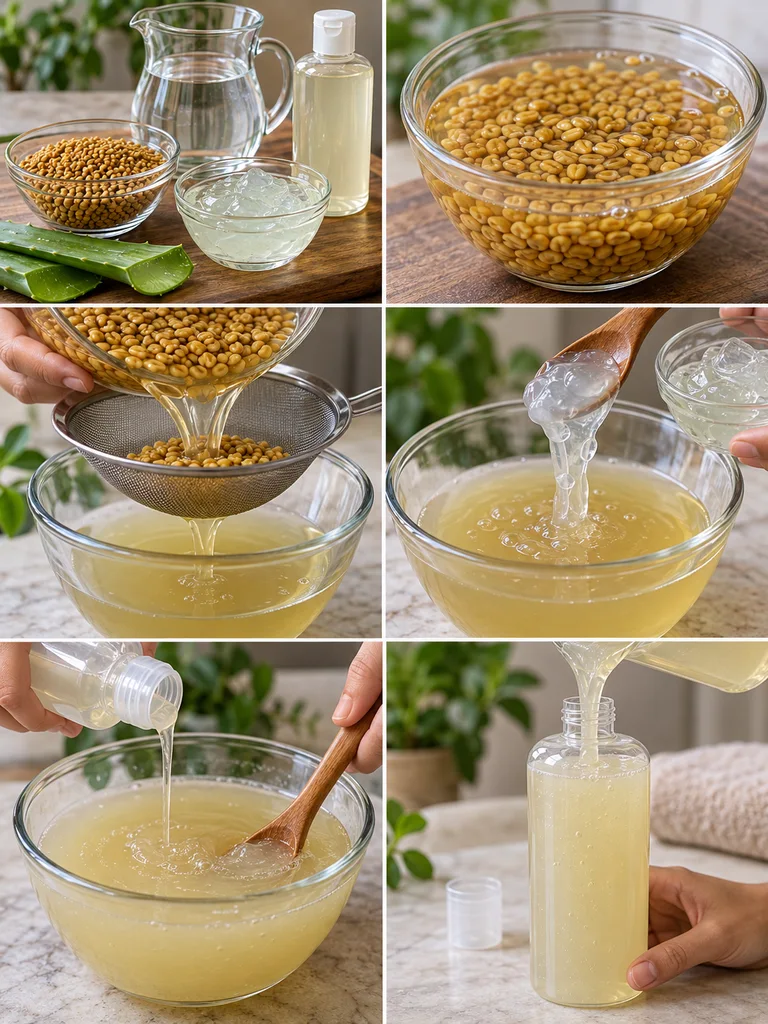
Soak the seeds overnight. Strain the liquid very carefully and use one tablespoon of it. Mix with aloe and cleanser. Avoid leaving seed particles in the mixture.
13. Fenugreek and Coconut Milk Shampoo
This is a richer version for hair that feels particularly dry.
Ingredients
- 1 tablespoon strained fenugreek soaking liquid
- 1 tablespoon coconut milk
- 2 tablespoons mild shampoo base
Instructions
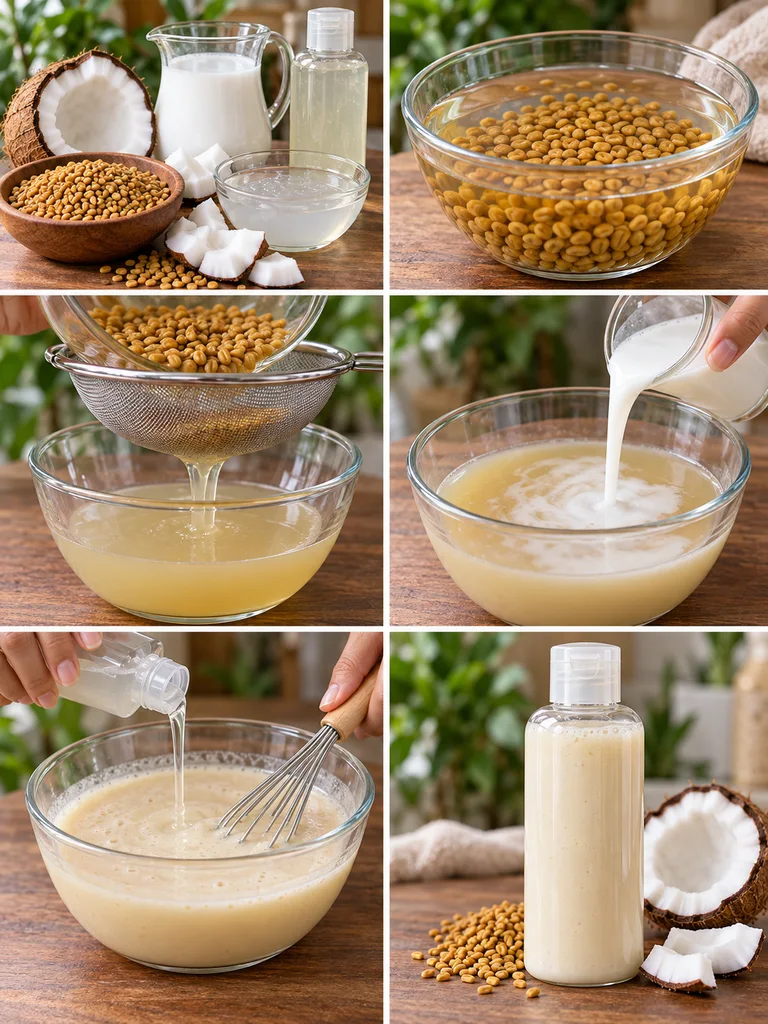
Mix the fenugreek liquid with coconut milk until smooth. Fold in the shampoo base and use immediately. Rinse especially well around the roots.
14. Rice Water and Aloe Shampoo
Fresh rice water can be used as a lightweight addition to a mild shampoo. There is no need to ferment it for this recipe.
Ingredients
- 1/4 cup rinsed rice
- 1 cup water
- 2 tablespoons shampoo base
- 1 tablespoon aloe
Instructions
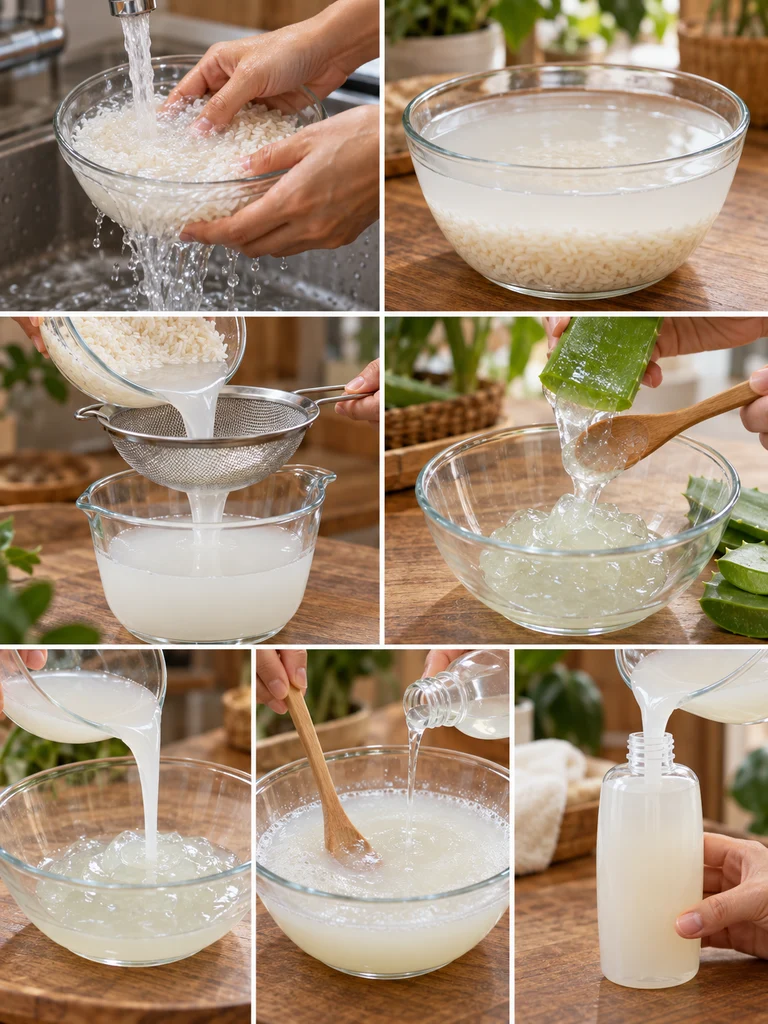
Soak rinsed rice for approximately 20 minutes and strain. Mix one tablespoon of fresh rice water with aloe and cleanser. Use the mixture promptly.
15. Rice Water and Coconut Milk Shampoo
This variation gives fresh rice water a creamier texture.
Ingredients
- 1 tablespoon fresh rice water
- 1 tablespoon coconut milk
- 2 tablespoons shampoo base
Instructions
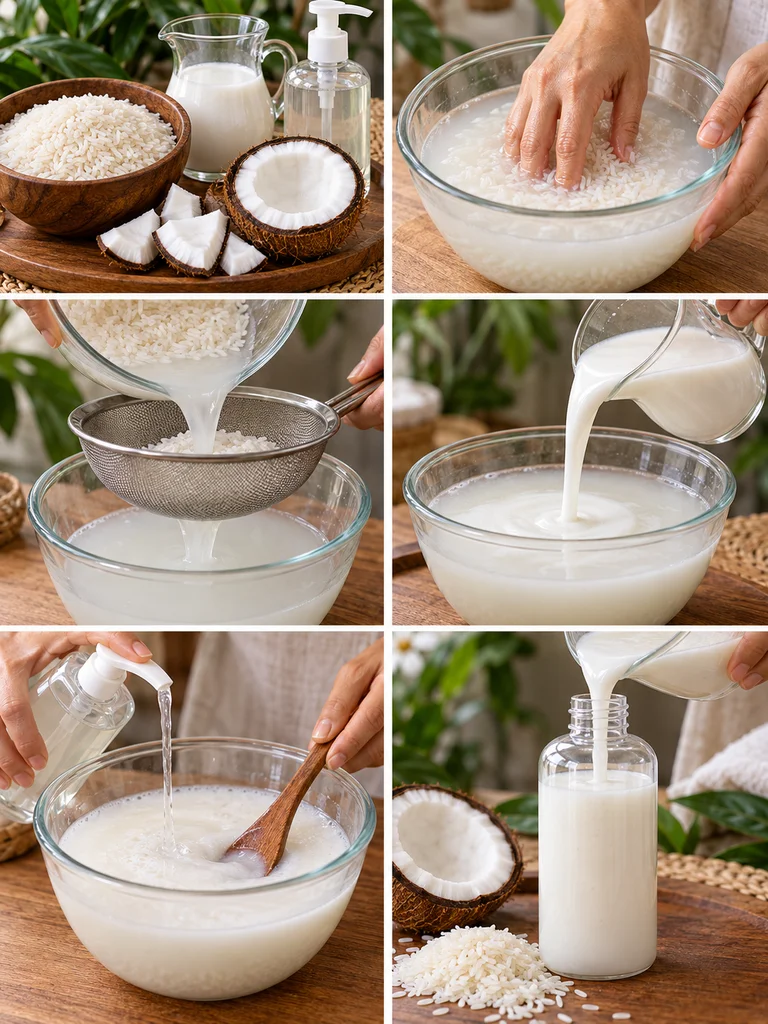
Combine rice water and coconut milk before gently blending in the shampoo base. Use immediately rather than storing the food-based mixture.
16. Flaxseed Gel and Aloe Shampoo
Flaxseed gel provides slip, making this recipe appealing for mature wavy or curly hair.
Ingredients
- 1 tablespoon flaxseeds
- 1 cup water
- 2 tablespoons shampoo base
- 1 tablespoon aloe
Instructions
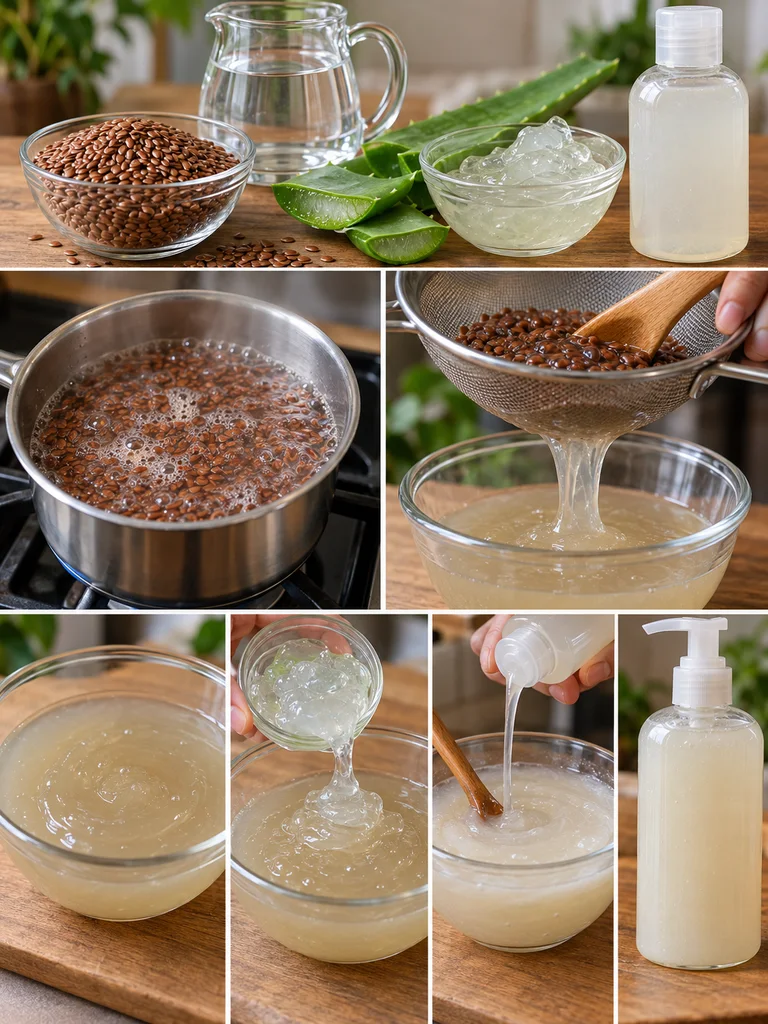
Simmer flaxseeds in water until lightly gelled. Strain while warm and cool completely. Mix one tablespoon of gel with aloe and shampoo base.
17. Flaxseed and Coconut Milk Shampoo
This creamy flaxseed formula is useful when curls feel dry or difficult to manage.
Ingredients
- 1 tablespoon fresh flaxseed gel
- 1 tablespoon coconut milk
- 2 tablespoons shampoo base
Instructions
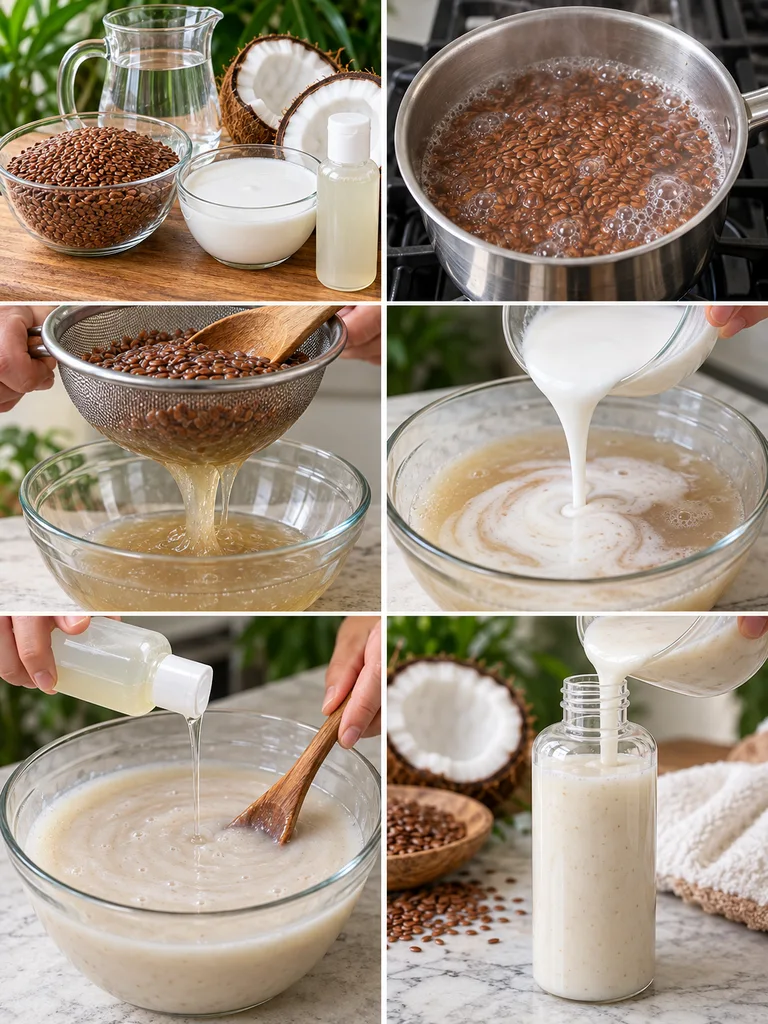
Combine cooled flaxseed gel and coconut milk. Slowly stir in the cleanser. Apply to wet hair and rinse very thoroughly.
18. Cucumber and Aloe Refreshing Shampoo
Cucumber creates a fresh-feeling mixture, while aloe helps keep the formula from feeling too cleansing.
Ingredients
- 2 tablespoons peeled cucumber
- 1 tablespoon aloe
- 2 tablespoons shampoo base
Instructions
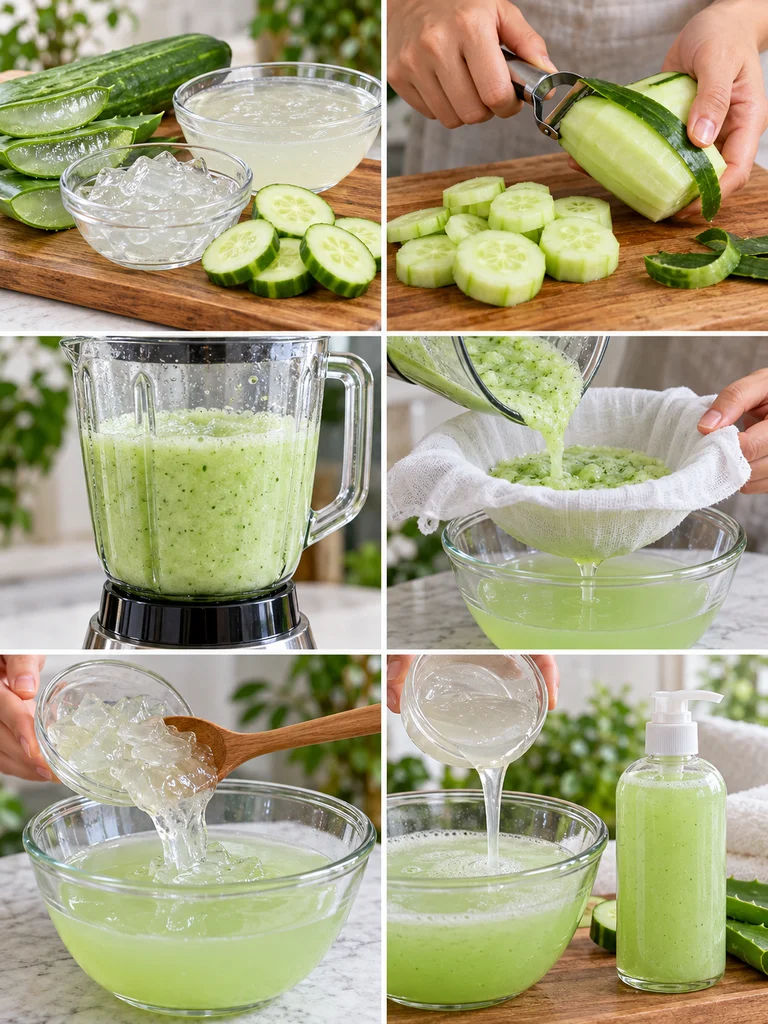
Blend the cucumber until completely smooth and strain through fine cloth. Mix one tablespoon of cucumber liquid with aloe and shampoo base. Make only enough for immediate use.
19. Cucumber and Green Tea Shampoo
This is one of the lightest recipes in the collection and works well for women who find creamy formulas too heavy.
Ingredients
- 1 tablespoon strained cucumber liquid
- 1 tablespoon cooled green tea
- 2 tablespoons shampoo base
Instructions
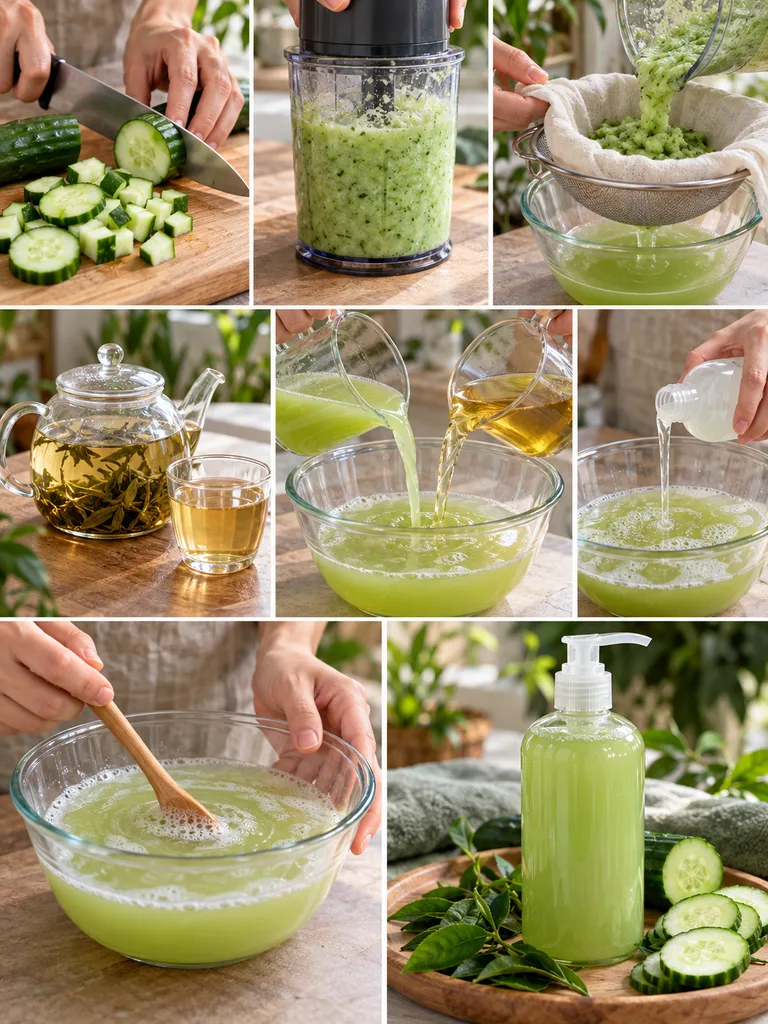
Mix cucumber liquid with cooled tea. Add the cleanser slowly and stir. Use immediately and discard any remaining mixture.
20. Rose Water and Aloe Shampoo
This simple recipe requires almost no preparation and makes a pleasant addition to a gentle cleansing routine.
Ingredients
- 2 tablespoons shampoo base
- 1 tablespoon cosmetic-grade rose water
- 1 tablespoon aloe gel
Instructions
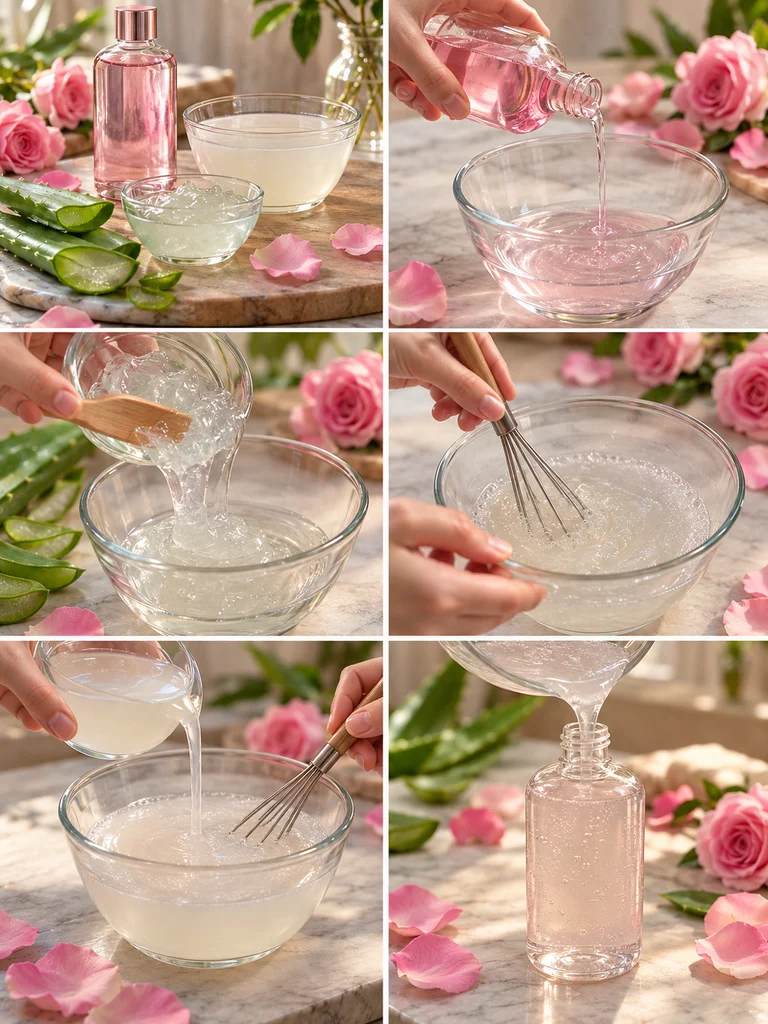
Combine rose water and aloe, then gently blend in the shampoo base. Apply to wet hair, massage the scalp lightly and rinse.
21. Rose Water and Honey Shampoo
A small amount of honey adds softness without making this formula excessively rich.
Ingredients
- 2 tablespoons shampoo base
- 1 tablespoon rose water
- 1 teaspoon honey
Instructions
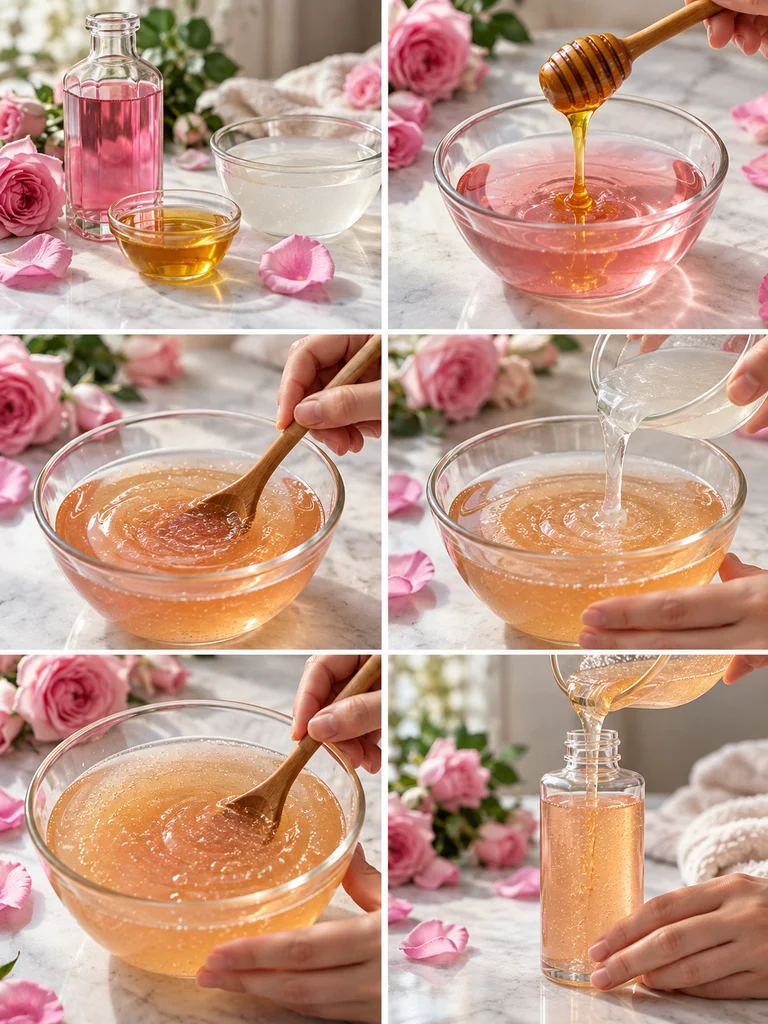
Dissolve the honey in rose water. Add the shampoo base and stir slowly until uniform. Use immediately and rinse well.
22. Calendula and Aloe Shampoo
Calendula provides another gentle botanical alternative for readers interested in herbal hair care.
Ingredients
- 1 teaspoon dried calendula petals
- 1/2 cup water
- 2 tablespoons shampoo base
- 1 tablespoon aloe
Instructions
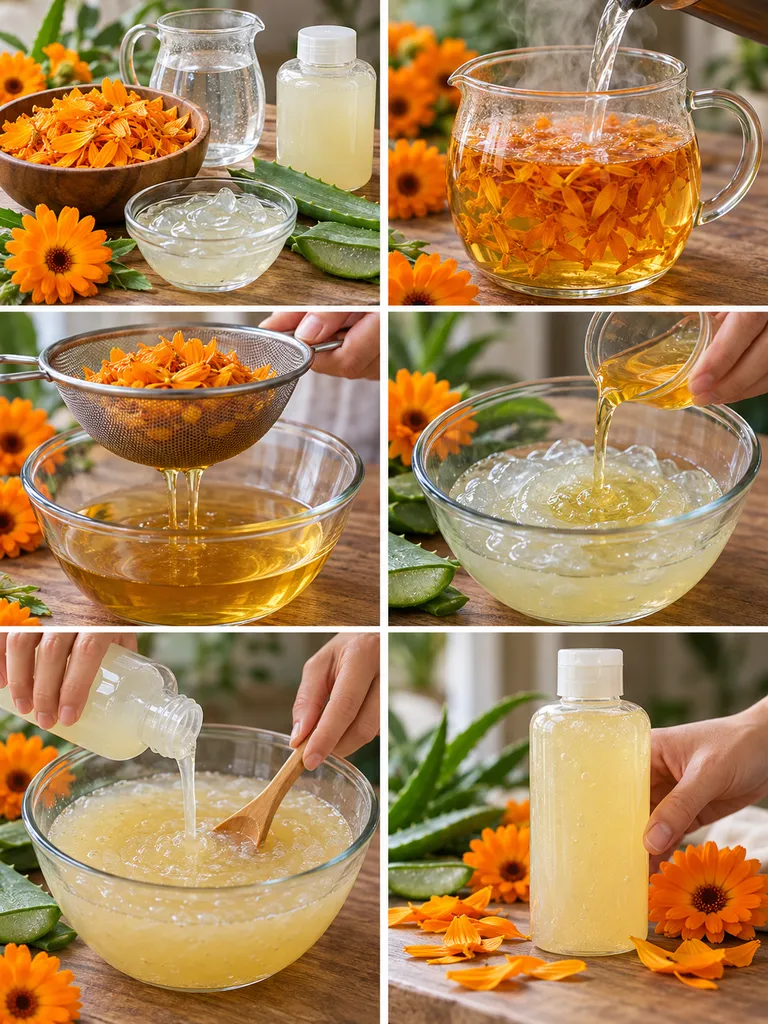
Steep calendula for ten minutes, cool completely and strain carefully. Combine one tablespoon of the infusion with aloe and shampoo base.
23. Chamomile and Oat Shampoo
Chamomile and oats create a particularly mild-feeling combination suited to simple hair-care routines.
Ingredients
- 1 tablespoon cooled chamomile tea
- 1 tablespoon strained oat liquid
- 2 tablespoons shampoo base
Instructions
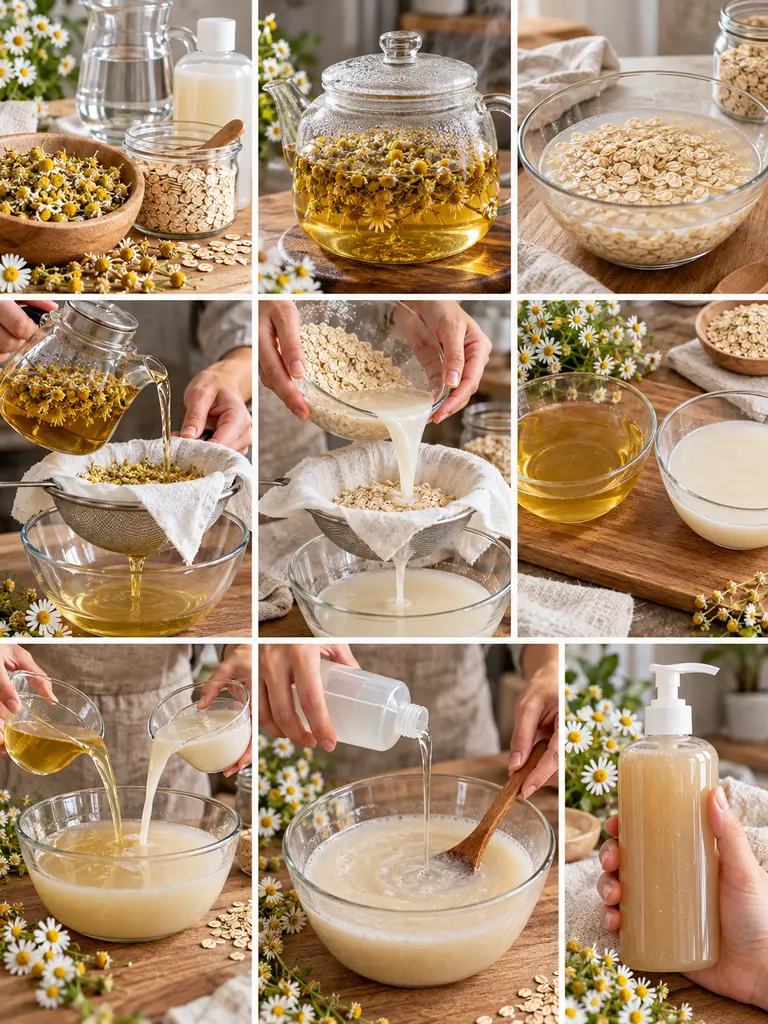
Prepare both liquids separately and strain carefully. Mix equal amounts together and stir them into the cleanser immediately before use.
24. Oat Milk and Honey Shampoo
Oat milk gives this mixture a smooth consistency while a small amount of honey adds extra softness.
Ingredients
- 1 tablespoon plain unsweetened oat milk
- 1 teaspoon honey
- 2 tablespoons shampoo base
Instructions
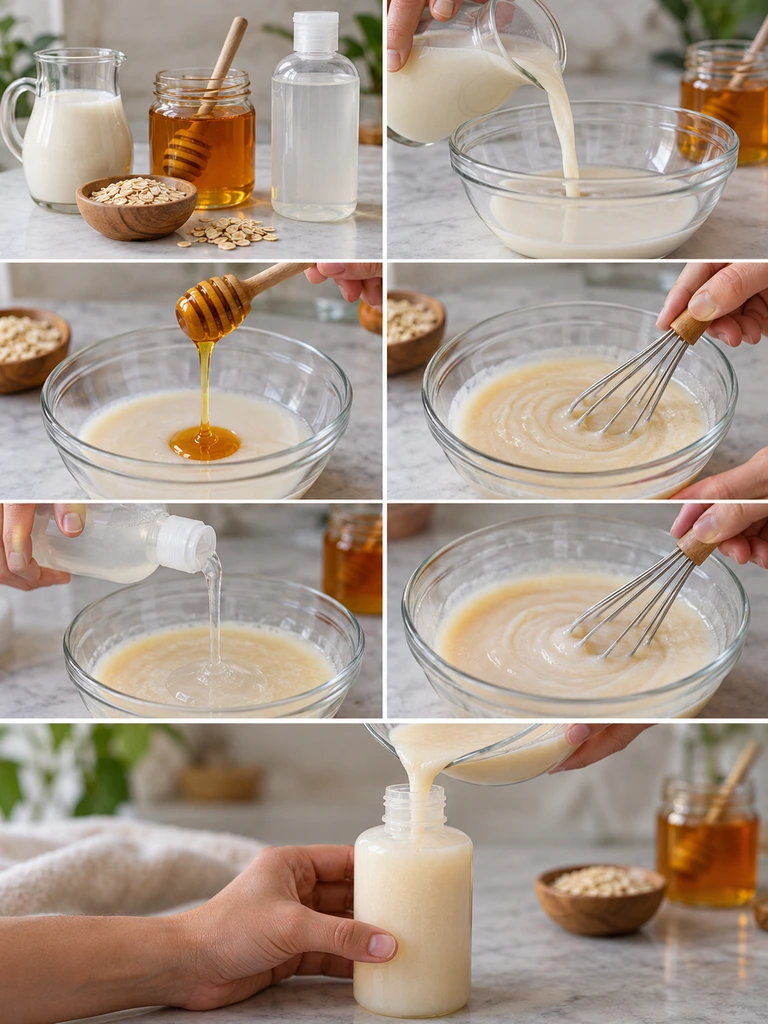
Stir honey into the oat milk until dissolved. Add the shampoo base gradually. Because this contains a food ingredient, prepare only a fresh single-use portion.
25. Coconut Milk and Aloe Shampoo for Curly Hair
Mature curly hair often benefits from avoiding excessive cleansing. This recipe keeps the washing step simple while adding moisture-rich ingredients.
Ingredients
- 2 tablespoons mild shampoo base
- 1 tablespoon coconut milk
- 1 tablespoon aloe
Instructions
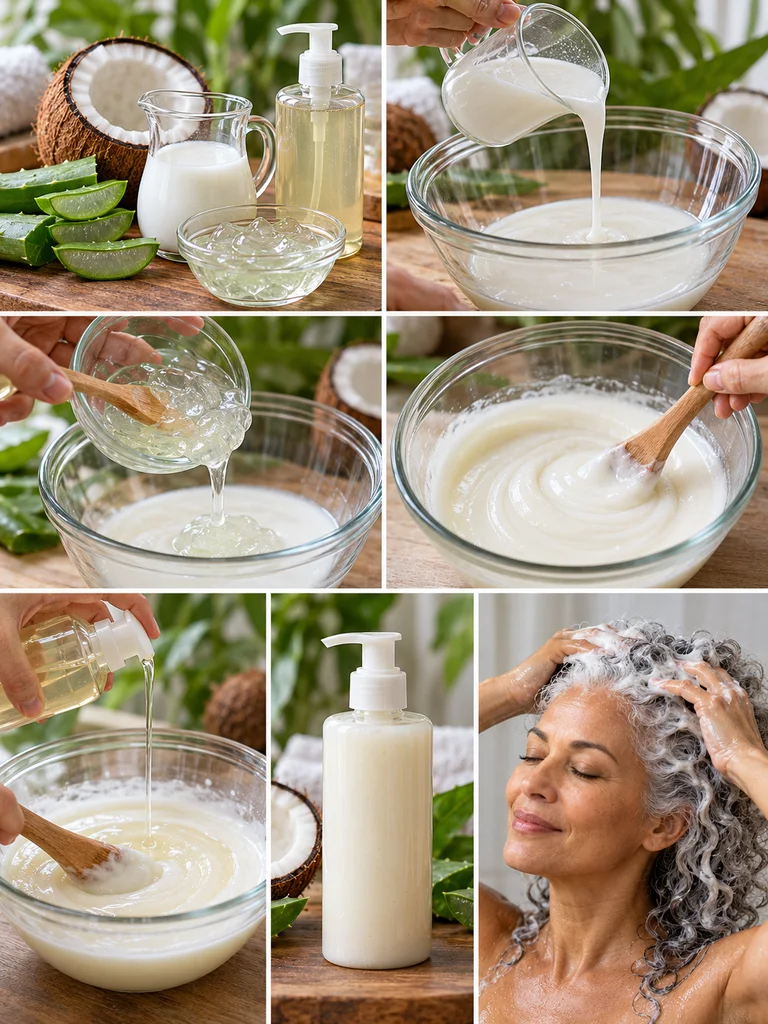
Stir all ingredients gently until creamy. Concentrate the shampoo around the scalp rather than aggressively scrubbing the ends. Rinse thoroughly.
26. Aloe and Vegetable Glycerin Hydrating Shampoo
Glycerin is powerful even in small quantities, so this minimalist formula uses only a little.
Ingredients
- 2 tablespoons shampoo base
- 1 tablespoon aloe
- 1/4 teaspoon vegetable glycerin
Instructions
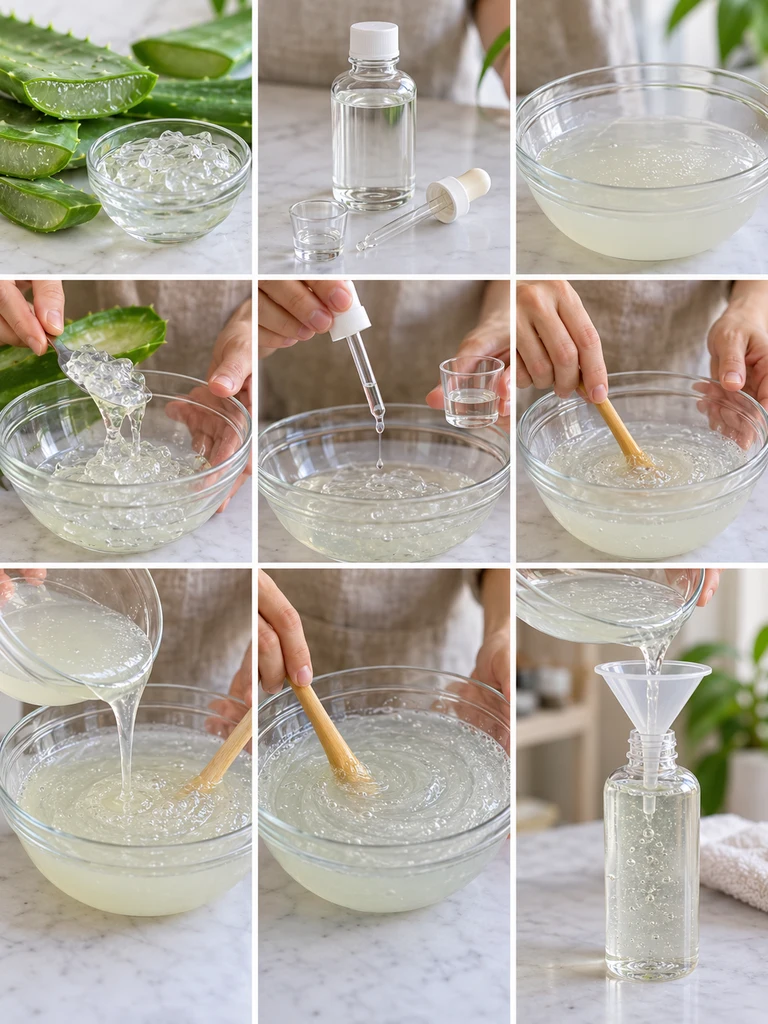
Mix aloe and glycerin first. Fold the mixture into the shampoo base until evenly blended. Apply normally and rinse thoroughly.
27. Honey and Vegetable Glycerin Shampoo
This recipe is designed for dry-feeling hair but keeps both humectants at modest levels to avoid excessive stickiness.
Ingredients
- 2 tablespoons shampoo base
- 1/2 teaspoon honey
- 1/4 teaspoon glycerin
- 1 teaspoon distilled water
Instructions
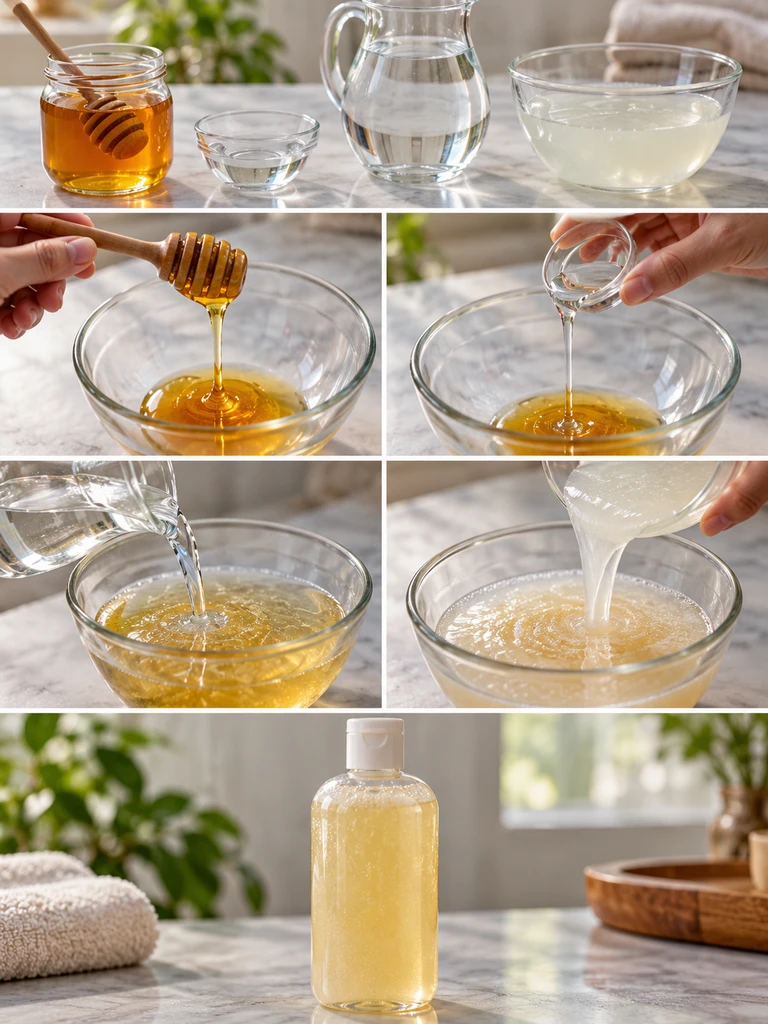
Combine honey, glycerin and water. Stir the mixture into the cleanser and use on well-wetted hair.
28. Aloe and Jojoba Moisturizing Shampoo
Jojoba can make a shampoo feel richer, but using too much may weigh down fine mature hair.
Ingredients
- 2 tablespoons shampoo base
- 1 tablespoon aloe
- 1/4 teaspoon jojoba oil
Instructions
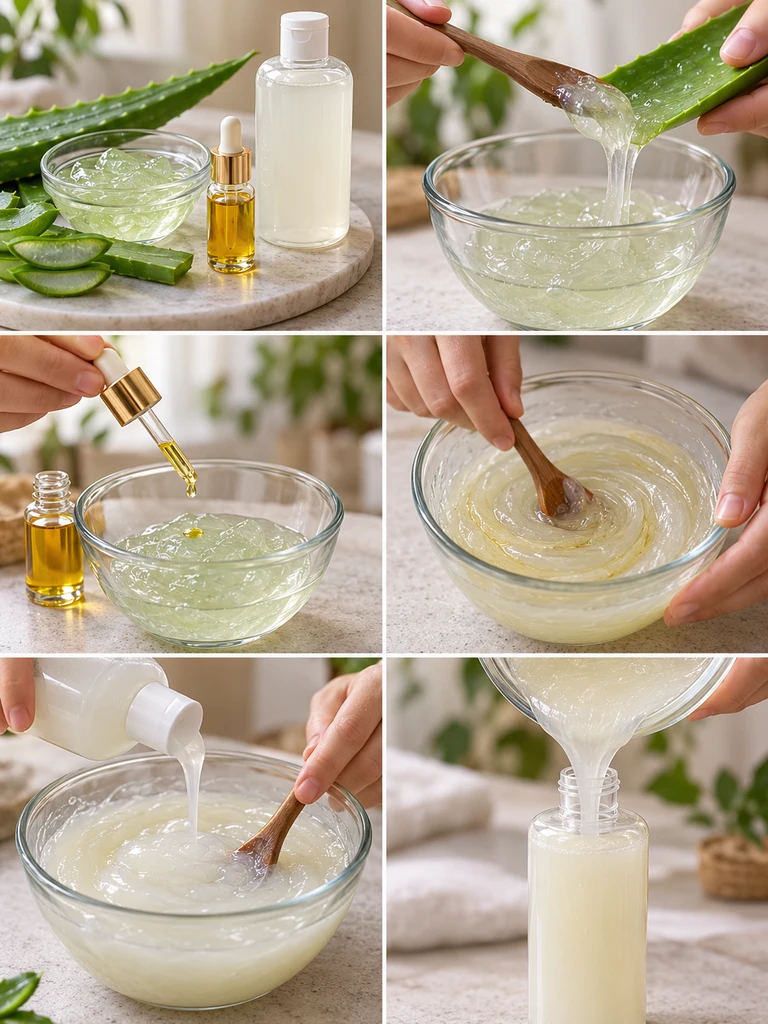
Mix aloe with jojoba thoroughly, then stir into the shampoo base. Shake or stir again just before use if separation occurs.
29. Argan Oil and Aloe Shampoo
A tiny amount of argan oil can give coarse or frizz-prone hair a more conditioned feel.
Ingredients
- 2 tablespoons shampoo base
- 1 tablespoon aloe
- 1/4 teaspoon cosmetic argan oil
Instructions
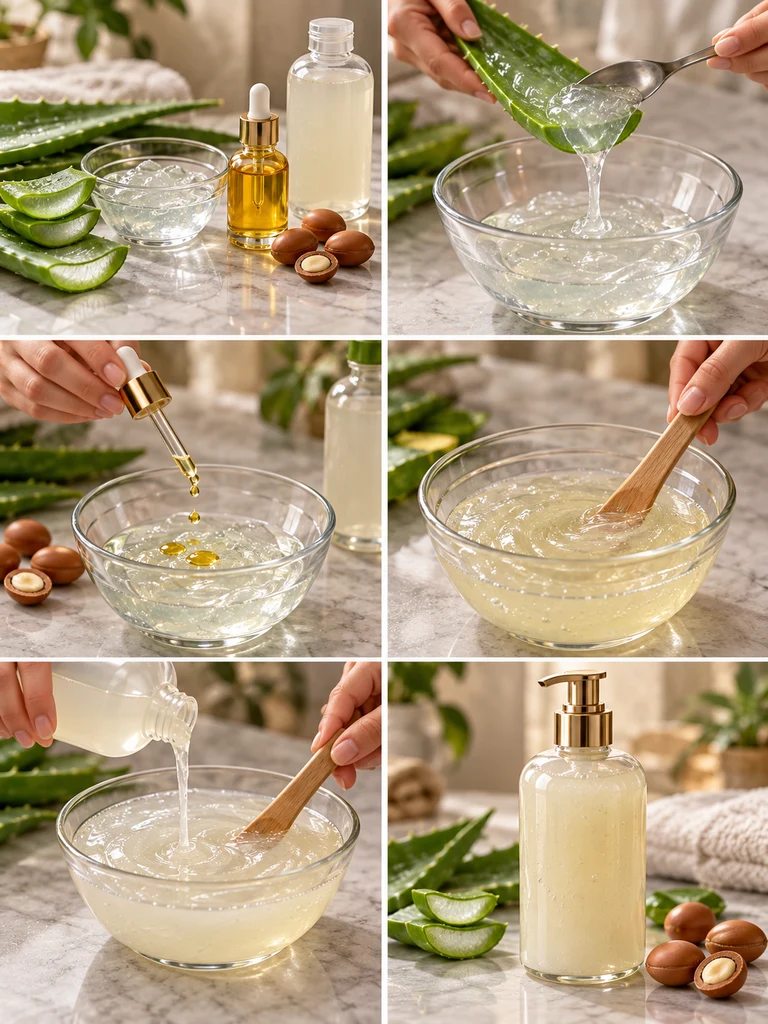
Blend the argan oil into aloe before adding the cleanser. Mix thoroughly and use a modest amount on wet hair.
30. Coconut Milk and Jojoba Shampoo
This is one of the richer recipes and is better suited to dry or coarse hair than very fine hair.
Ingredients
- 2 tablespoons shampoo base
- 1 tablespoon coconut milk
- 1/4 teaspoon jojoba oil
Instructions
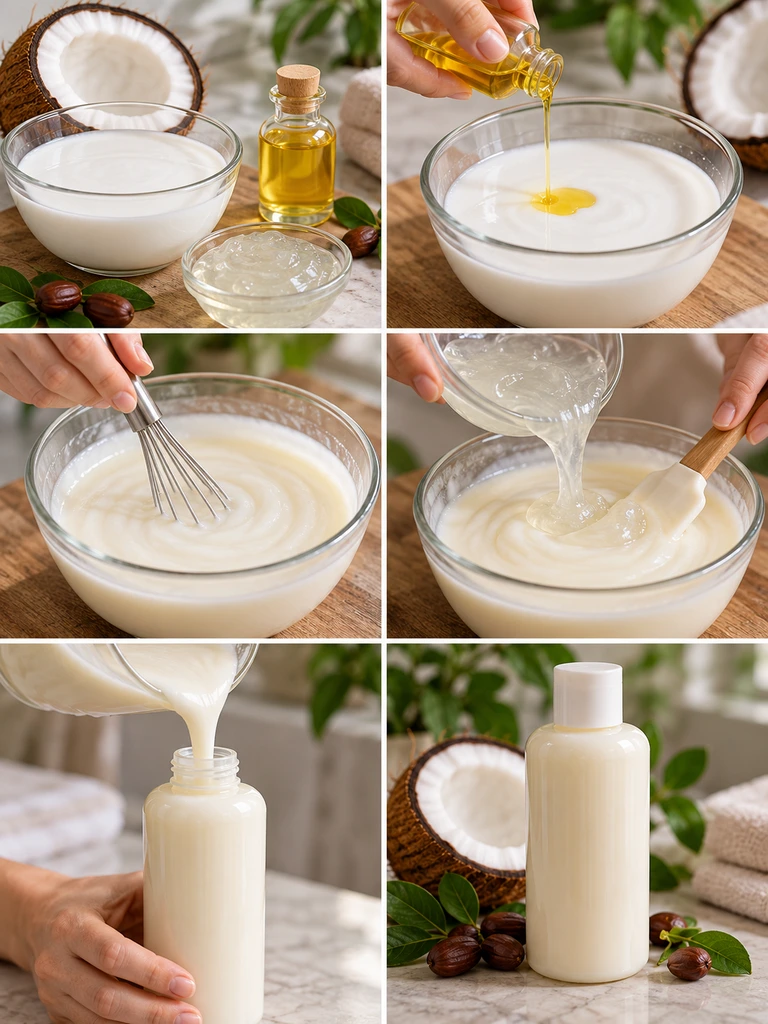
Whisk the jojoba into coconut milk gently and add the shampoo base. Use immediately and rinse very thoroughly.
31. Avocado and Aloe Fresh Shampoo
Avocado creates a rich mixture, so consider this an occasional fresh treatment rather than an everyday shampoo.
Ingredients
- 1 teaspoon very ripe avocado
- 1 tablespoon aloe
- 2 tablespoons shampoo base
Instructions
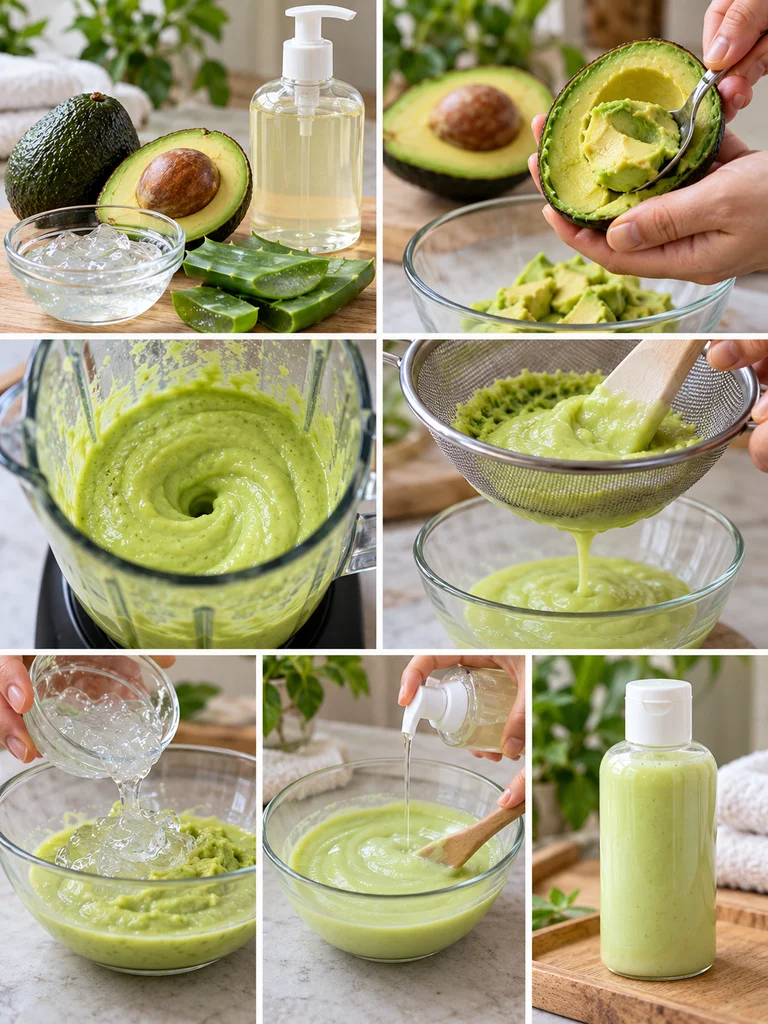
Mash or blend the avocado until completely smooth and press it through a fine strainer. Mix a small amount with aloe and shampoo base. Use immediately and rinse extremely well.
32. Banana and Aloe Fresh Shampoo
Banana should be used carefully because pieces can cling to hair. Thorough blending and straining are essential.
Ingredients
- 1 teaspoon ripe banana puree
- 1 tablespoon aloe
- 2 tablespoons shampoo base
Instructions
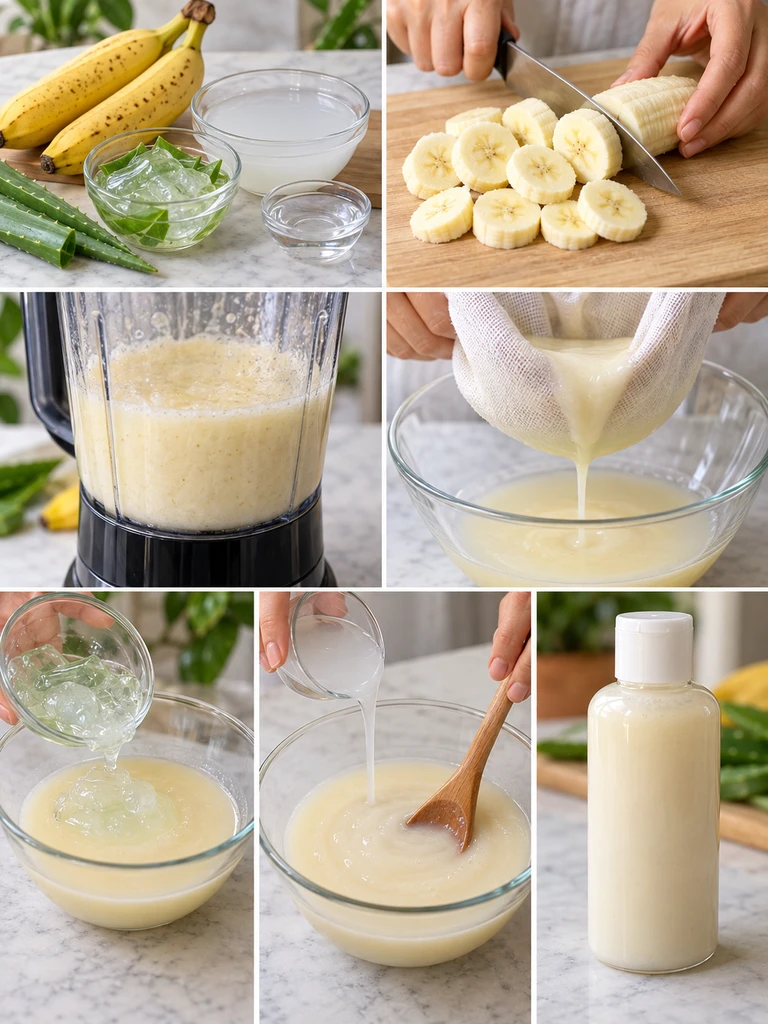
Blend the banana with a little water until perfectly smooth, then strain through very fine cloth. Mix one teaspoon with aloe and shampoo. Use immediately.
33. Papaya and Aloe Fresh Shampoo
Papaya creates another occasional fresh shampoo for women who enjoy fruit-based beauty recipes.
Ingredients
- 1 teaspoon smooth papaya puree
- 1 tablespoon aloe
- 2 tablespoons shampoo base
Instructions
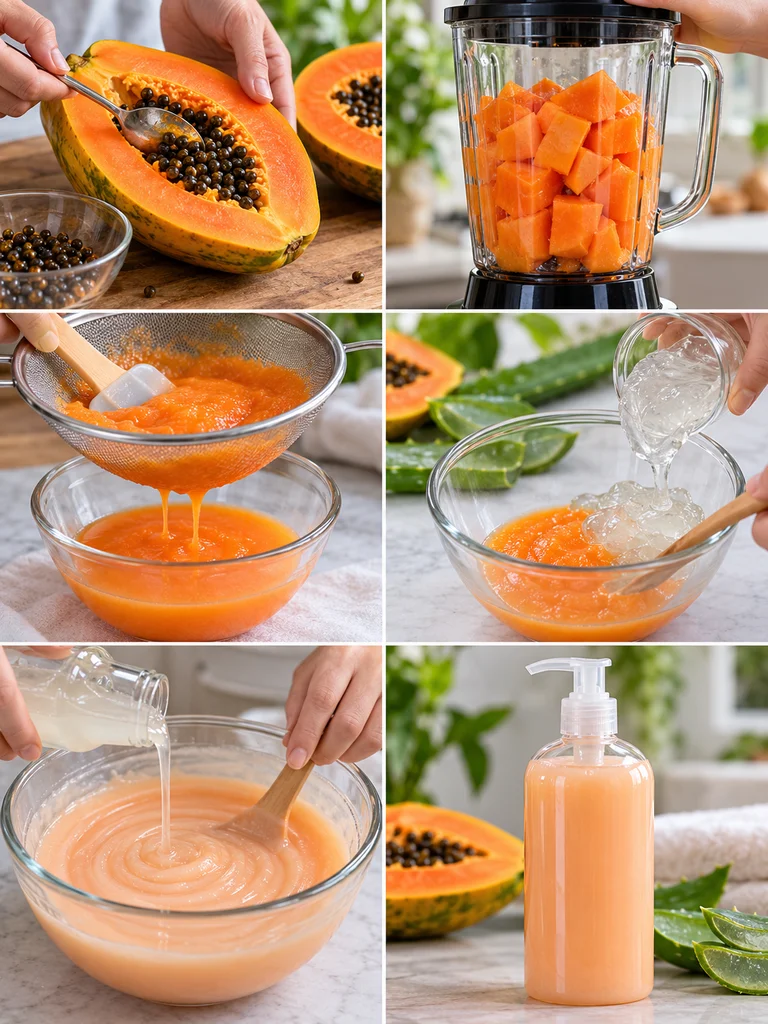
Blend ripe papaya thoroughly and strain. Combine a teaspoon of smooth liquid puree with aloe and cleanser. Do not store leftovers.
34. Apple and Aloe Fresh Shampoo
Apple offers a lighter alternative to creamy fruit formulas.
Ingredients
- 2 tablespoons peeled apple pieces
- 1 tablespoon aloe
- 2 tablespoons shampoo base
Instructions
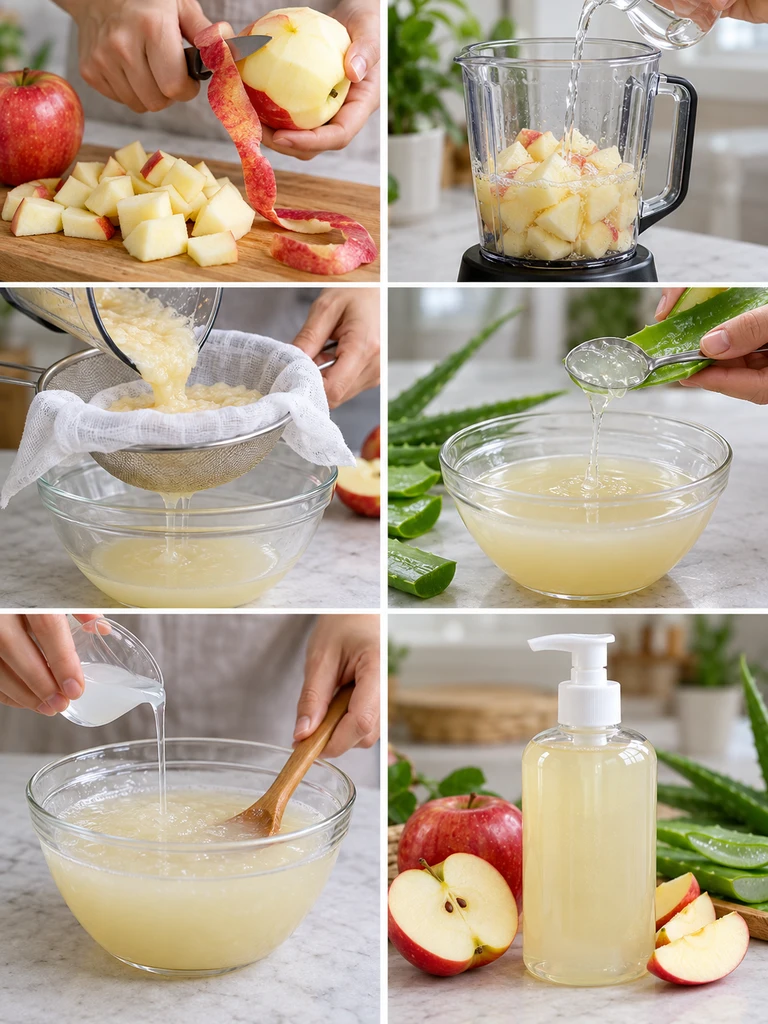
Blend apple with a small amount of water and strain through fine cloth. Mix one tablespoon of strained liquid with aloe and shampoo base.
35. Marshmallow Root and Aloe Shampoo
Marshmallow root is traditionally valued for the slippery texture its infusion develops, making it useful for hair that tangles easily.
Ingredients
- 1 teaspoon dried marshmallow root
- 1/2 cup hot water
- 1 tablespoon aloe
- 2 tablespoons shampoo base
Instructions
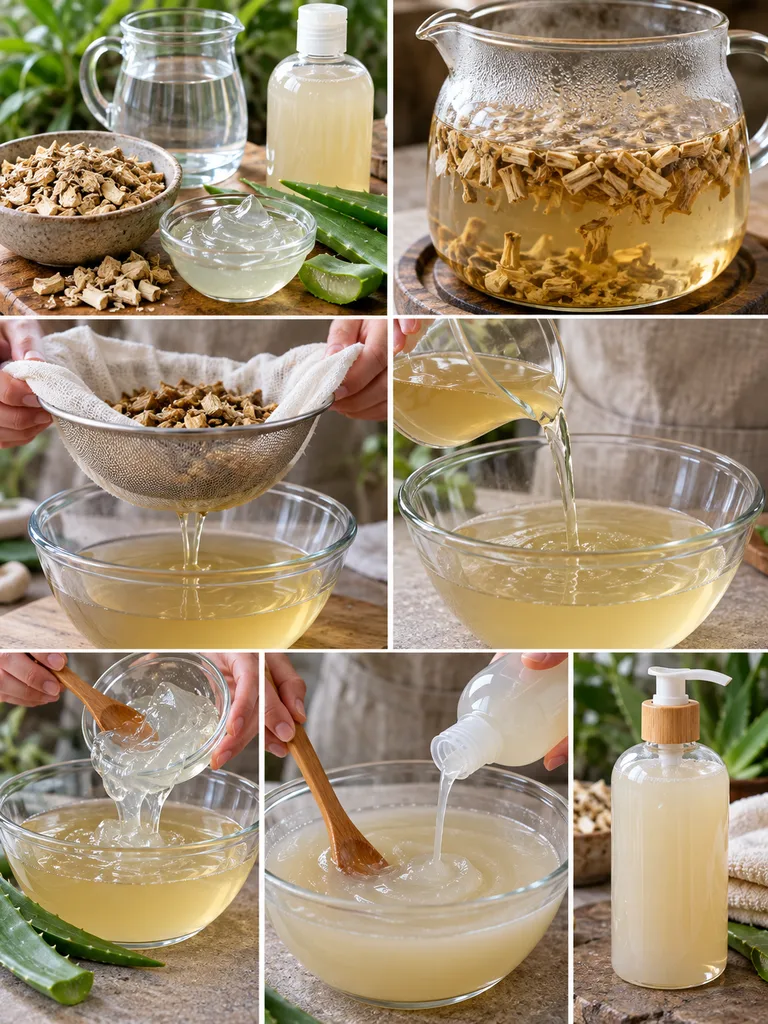
Steep the root, cool and strain thoroughly. Mix one tablespoon of infusion with aloe and cleanser. Apply gently and rinse well.
36. Marshmallow Root and Flaxseed Shampoo
This combination creates plenty of slip and may appeal particularly to mature curls and waves.
Ingredients
- 1 tablespoon marshmallow root infusion
- 1 tablespoon flaxseed gel
- 2 tablespoons shampoo base
Instructions
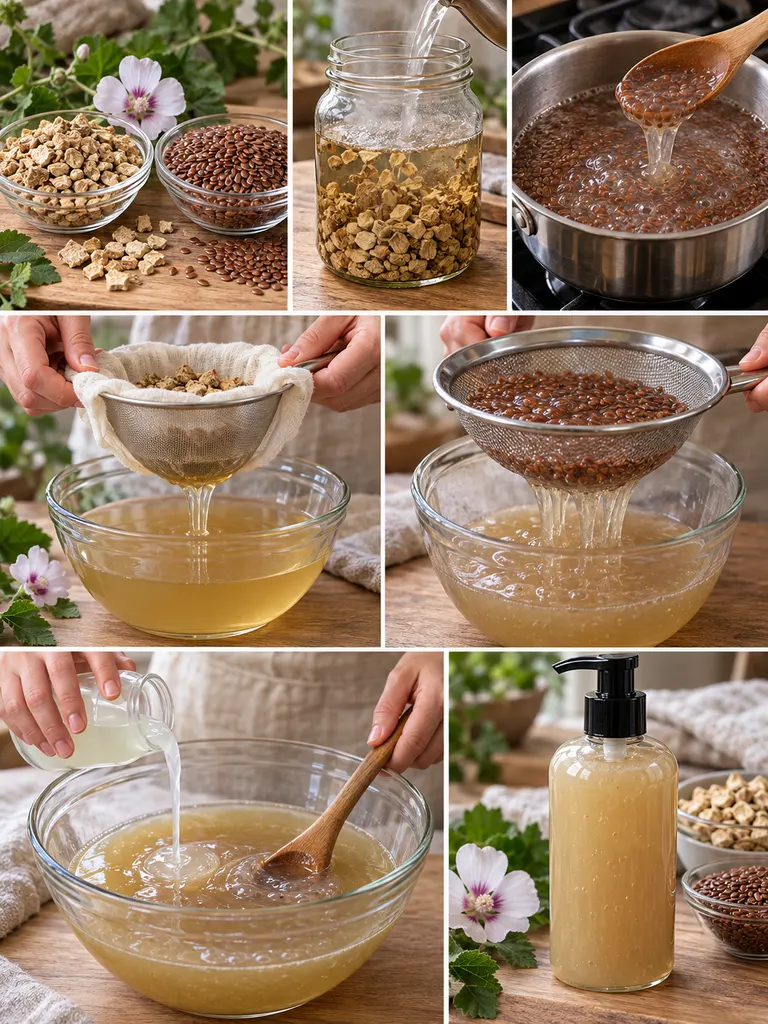
Prepare both ingredients separately and cool them fully. Mix together before slowly adding the cleanser. Use fresh.
37. Sage and Aloe Herbal Shampoo
Sage makes a simple herbal infusion for women who enjoy botanical cleansing routines.
Ingredients
- 1 teaspoon dried sage
- 1/2 cup hot water
- 1 tablespoon aloe
- 2 tablespoons shampoo base
Instructions
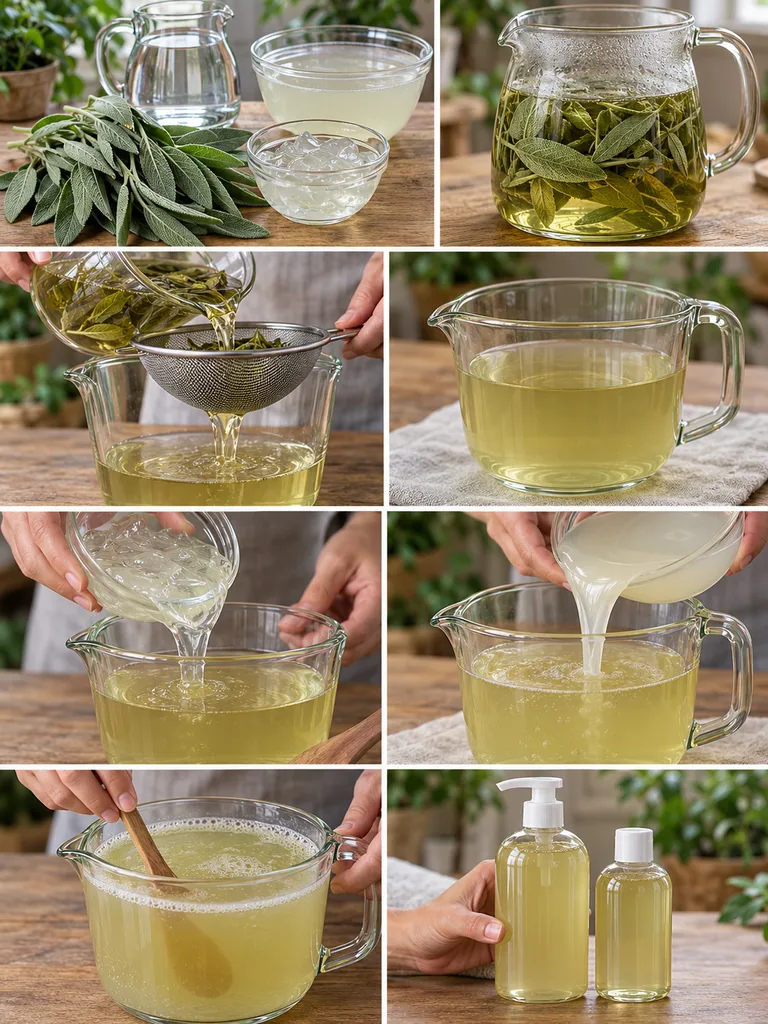
Steep sage for about five minutes. Cool completely and strain. Combine one tablespoon with aloe and cleanser.
38. Nettle Leaf and Aloe Shampoo
Nettle is commonly found in botanical hair products, and a weak infusion makes an easy homemade variation.
Ingredients
- 1 teaspoon dried nettle leaf
- 1/2 cup hot water
- 1 tablespoon aloe
- 2 tablespoons shampoo base
Instructions
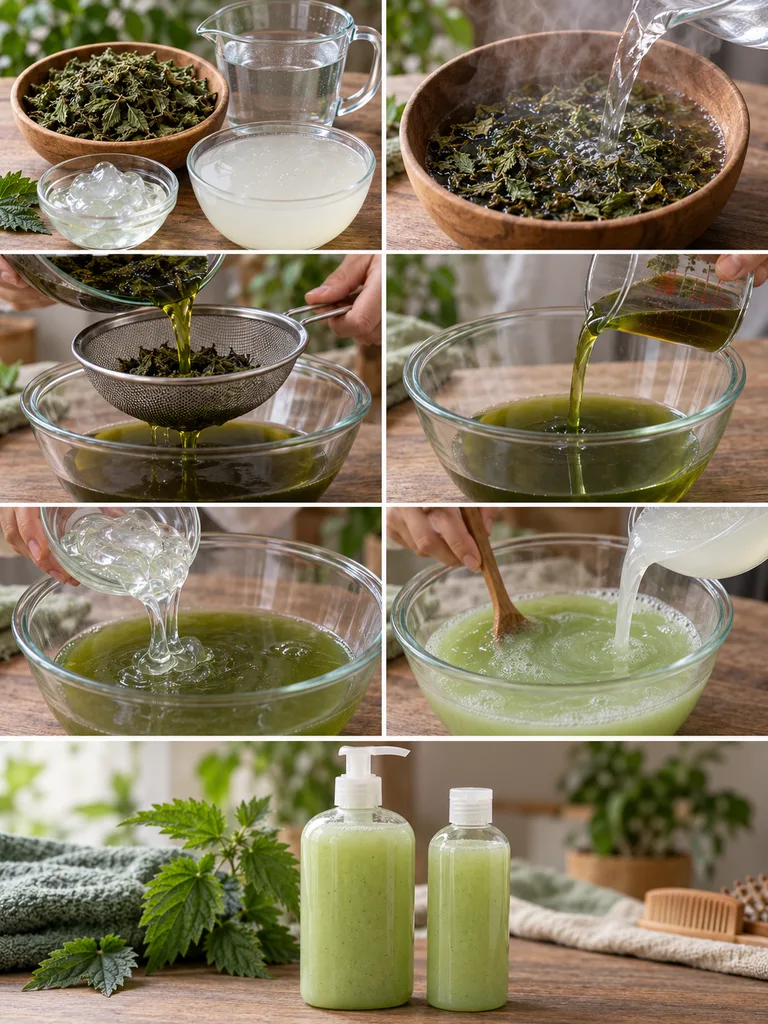
Steep the dried nettle, cool completely and strain very carefully. Combine one tablespoon of liquid with aloe and cleanser.
39. Chamomile, Honey and Aloe Shampoo
This recipe brings together three gentle ingredients in one simple formula for dry-feeling mature hair.
Ingredients
- 1 tablespoon cooled chamomile tea
- 1 tablespoon aloe
- 1 teaspoon honey
- 2 tablespoons shampoo base
Instructions
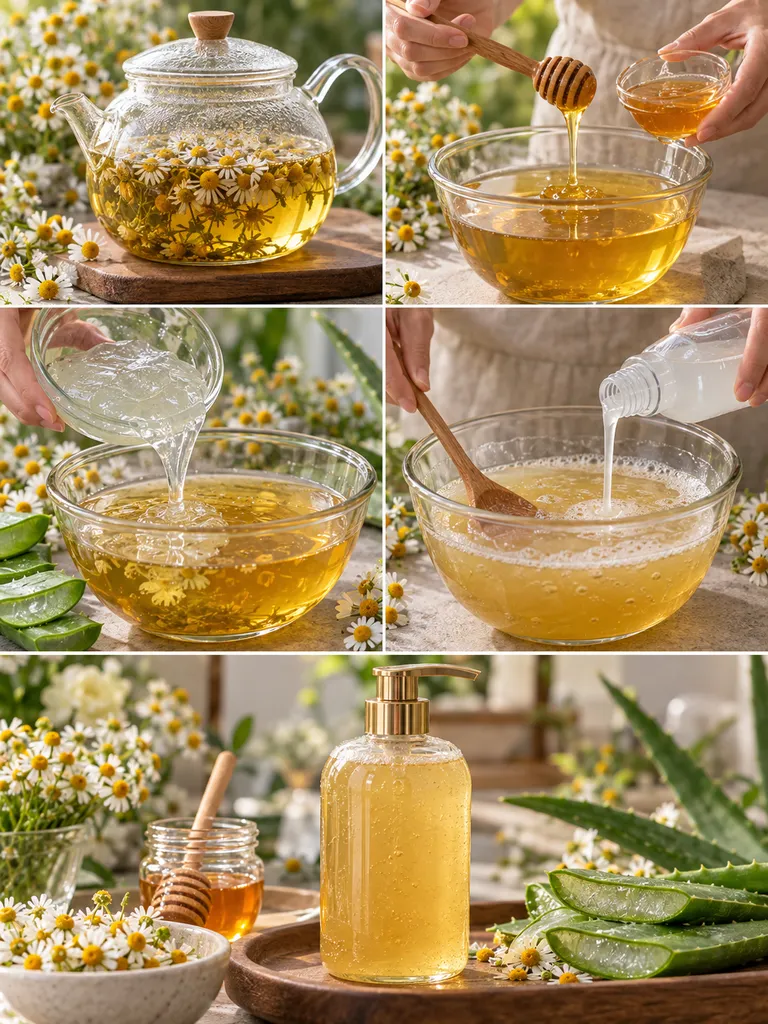
Dissolve honey in the chamomile tea, then mix with aloe. Slowly blend everything into the cleanser and use immediately.
40. Aloe, Coconut Milk and Oat Ultimate Gentle Shampoo
The final recipe combines aloe, coconut milk and oats for women looking for a particularly creamy, moisture-focused shampoo.
Ingredients
- 2 tablespoons shampoo base
- 1 tablespoon aloe gel
- 1 tablespoon coconut milk
- 1 tablespoon strained oat liquid
Instructions
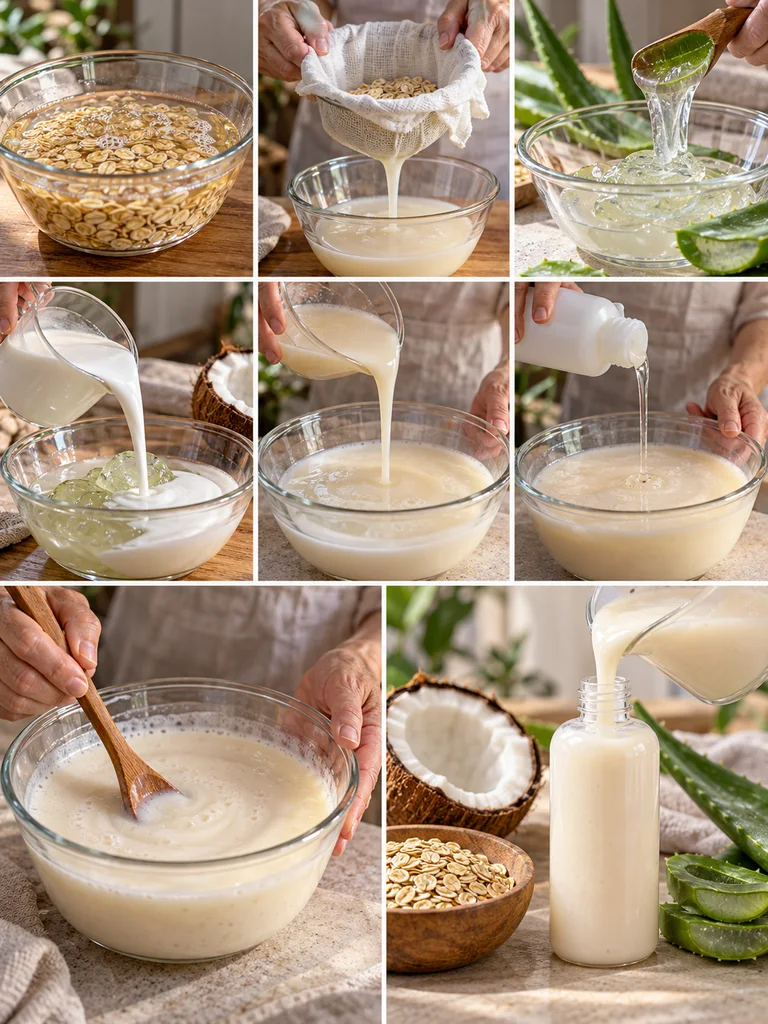
Prepare and strain the oat liquid first. Combine it with aloe and coconut milk, then gently stir in the shampoo base. Massage lightly over the scalp and rinse extremely well. Make this recipe fresh rather than storing it.
How to Use Homemade Shampoo After 60
Wet the hair completely before applying shampoo. Mature hair generally does not need aggressive scrubbing. Place a small amount of shampoo primarily around the scalp and massage gently with the pads of your fingertips.
Allow the lather and rinse water to travel through the lengths instead of repeatedly rubbing delicate ends. Rinse with comfortably warm water and follow with conditioner when your hair needs additional softness.
If you regularly use hairspray, silicone-rich styling products, dry shampoo or heavy oils, an occasional conventional clarifying shampoo may still be useful.
How Often Should Women Over 60 Shampoo?
There is no ideal shampoo schedule based on age alone. A woman with a naturally oily scalp may prefer washing every other day, while someone with dry curly hair may feel comfortable washing only once or twice each week.
Pay attention to your scalp rather than following a rigid rule. Wash when the scalp feels oily, dirty, uncomfortable or coated with styling products.
Ingredients to Be Careful With in Homemade Shampoo
Some popular DIY ingredients can be unnecessarily harsh. Baking soda is highly alkaline and can leave hair feeling rough. Strong lemon juice or vinegar mixtures may irritate sensitive scalps, while undiluted essential oils can cause significant irritation or allergic reactions.
Avoid putting concentrated essential oils directly into these recipes. More ingredients do not automatically produce better results.
Important Storage Rules
Commercial shampoos contain carefully designed preservative systems because products containing water can grow bacteria, yeast and mold.
Most kitchen-made shampoo recipes do not have that protection. Therefore, the safest approach is to prepare very small quantities shortly before washing your hair.
Recipes containing fresh fruit, coconut milk, herbal teas, rice water, aloe or other perishable ingredients should not be kept around simply because they still look or smell normal. When in doubt, discard the mixture and make a fresh batch.
Always use clean utensils, bowls and containers.
Choosing the Right Recipe for Your Hair
If your hair feels very dry or coarse, begin with aloe, coconut milk, jojoba, argan or oat-based recipes.
If you have fine hair that becomes weighed down easily, lighter formulas containing aloe, green tea, chamomile, cucumber or rose water may be more comfortable.
For wavy or curly mature hair, flaxseed, marshmallow root, aloe and coconut milk can provide additional slip and softness.
Women with sensitive scalps may benefit most from keeping recipes simple. Fewer ingredients make it easier to identify the cause if irritation develops.
Final Thoughts
Learning how to make natural shampoo for women over 60 does not require complicated ingredients or dozens of essential oils. In fact, some of the most useful recipes are the simplest combinations of a gentle cleansing base with aloe, oats, herbal infusions or a small amount of moisturizing ingredients.
Hair can change significantly with age, so experiment gradually. A recipe that works beautifully for thick, curly silver hair may feel too rich for fine straight hair. Start with small batches, observe how your scalp and hair respond, and adjust the formula accordingly.
Most importantly, treat homemade shampoo as fresh DIY hair care rather than a permanently shelf-stable cosmetic product. Gentle cleansing, careful handling and consistent conditioning can do far more for mature hair than harsh treatments or exaggerated “miracle” ingredients.
